
Every peak of summer, the sweltering heat throws our daily rhythm off balance: sleep is shallow, food loses its appeal, the body feels perpetually sluggish, and all you want is to reach for a glass of ice-cold water to "cool down." But the way we react to the heat sometimes leaves the body even more tired — gulping down iced water right after coming in from the sun, sitting for hours in a deeply air-conditioned room and then stepping straight outdoors, or eating erratically because nothing tastes good. This article shares how to cool off in hot weather gently and sustainably: rehydrating on a good rhythm, eating light and seasonal, choosing gentler drinks, avoiding heat shock, and rearranging your routine so the whole day feels easier to get through.
Why hot weather leads to dehydration and fatigue
When it's hot, the body works harder to keep its temperature stable. The main mechanism is sweating: as sweat evaporates, it carries heat away and cools you down. But along with that, water and mineral salts are lost continuously — often so quietly that you don't realize you've fallen short on water.
When your body's water level drops, the first signs are often easy to overlook or misread: fatigue, sluggishness, a mild headache, trouble concentrating, mild calf cramps, or a queasy, unsettled feeling. Many people assume they're just "overheated inside" or drowsy mid-morning, when in fact the body is asking to be rehydrated.
Hot weather also brings a few other changes that can leave us more tired:
- Shallower sleep: high nighttime temperatures make sleep fitful, so you wake up still feeling heavy. This is a good time to look after your quality of sleep so the body has time to recover.
- Poor appetite, careless eating: heat dulls the appetite, easily leading to erratic, nutrient-poor meals.
- Overdoing cold and sugary things: iced water, milk tea, and ice cream refresh you instantly but usually carry a lot of sugar, making the energy dip that follows all the more noticeable.
Understanding how hard the body is "straining" in the heat helps us support it more gently, instead of just chasing an instant feeling of coolness.
Rehydrating the right way on hot days
Rehydrating is the single most important thing in hot weather, but "drinking a lot" isn't the same as "drinking well." A few simple principles help keep your body in comfortable balance:
- Sip steadily throughout the day: take small, regular sips instead of waiting until your throat is parched and then gulping it all at once. Thirst usually shows up only once the body is already a little short on water.
- Increase your intake with how much you sweat: on scorching days or when you're moving and active outdoors, your need can reach 2.5 liters or more. Proactively drink extra around active periods.
- Favor mildly cool water over very cold ice water: room-temperature or mildly cool water quenches thirst while being gentle on the stomach, especially right after coming in from the sun.
- Replace minerals when you sweat heavily: for heavy labor or intense exercise outdoors, when you sweat a lot, alongside plain water you can add water with a little mineral salt, coconut water, or a light broth to replace the minerals lost.
A very simple self-check your body gives you for free is the color of your urine: light yellow signals good balance, while dark yellow and scant urine reminds you to drink more. This is far gentler than trying to count exact liters each day.
In hot weather, drinking steadily and early matters more than drinking a lot at once. Don't wait until you're thirsty to drink, and don't wait until you're exhausted to rest.
If you'd like to build a steady water habit year-round rather than just in summer, you can also read Drink Water the Right Way Every Day, by Constitution to find a rhythm that suits your own body.
A yin-yang view: cool-natured summer foods
In folk culinary experience and Eastern Traditional Medicine, food is often viewed through the balance between yin (cool) and yang (warm, hot). This isn't a way to diagnose illness, but a way of observing that helps us eat in tune with the season and with our own constitution.
People in the past believed summer belongs to yang and the weather is hot, so a sensible taste and style of cooking leans toward dishes considered cool-natured, light, and full of water — to balance out the heat outside. Conversely, eating too much spicy, deep-fried, or charred food on a hot day tends to leave people feeling stuffy and uncomfortable.
Interestingly, this folk view is quite close to the body's natural instinct: in the midday heat, few people crave a bowl of steaming spicy hotpot, and most feel more comfortable with a cool bowl of vegetable soup, a plate of cucumber, or a slice of watermelon. The yin-yang tradition here acts like a gentle culinary compass, hinting at which direction to lean by season, rather than a rigid rule.
Foods and dishes that help the body feel more comfortable
You don't need to overhaul your whole diet — just tilt the balance gently toward the light and cooling on sweltering days. A few familiar, easy-to-apply ideas:
Water-rich vegetables and produce
- Leafy greens, Malabar spinach, jute leaves, water spinach: make a light, cooling soup that's easy to eat on a hot day. You can also see more suggestions in Leafy Greens Every Day.
- Luffa, winter melon, bottle gourd, cucumber: full of water and light in flavor, ideal to boil or make into a gentle soup.
- Tomato, bean sprouts, and beans: easy to work into everyday meals, helping make the meal feel lighter.
Juicy fruit
- Watermelon, dragon fruit, orange, pomelo, pear: they rehydrate while providing vitamins, a refreshing dessert in place of ice cream or sugary sweet soups.
- Eat whole pieces rather than juicing: this keeps the fiber and fills you up longer, avoiding taking in too much sugar at once.
Cooking methods to favor
- Lean toward boiling, steaming, and simmering soups rather than deep-frying in oil or charring.
- Cut back on food that's too spicy or too salty — both to feel less stuffy and to avoid a rush of thirst after the meal.
- Split meals if your appetite is poor: eating a little but regularly is better than skipping a meal and then overeating heavily.
If you'd like an overall reference framework of healthy foods for combining meals year-round, The 8 Healthy Food Groups is a good starting point.
Gentle herbal drinks for hot days
In hot weather, the familiar reflex for many people is to reach for an iced milk tea, a fizzy soda, or an iced milk coffee to "wake up." The problem is that these drinks usually carry a significant amount of sugar, leaving you refreshed for a moment and then heavy and sluggish afterward. A gentler direction is to swap some of these for mild herbal drinks with little or no sugar.
A few options that are easy to prepare at home:
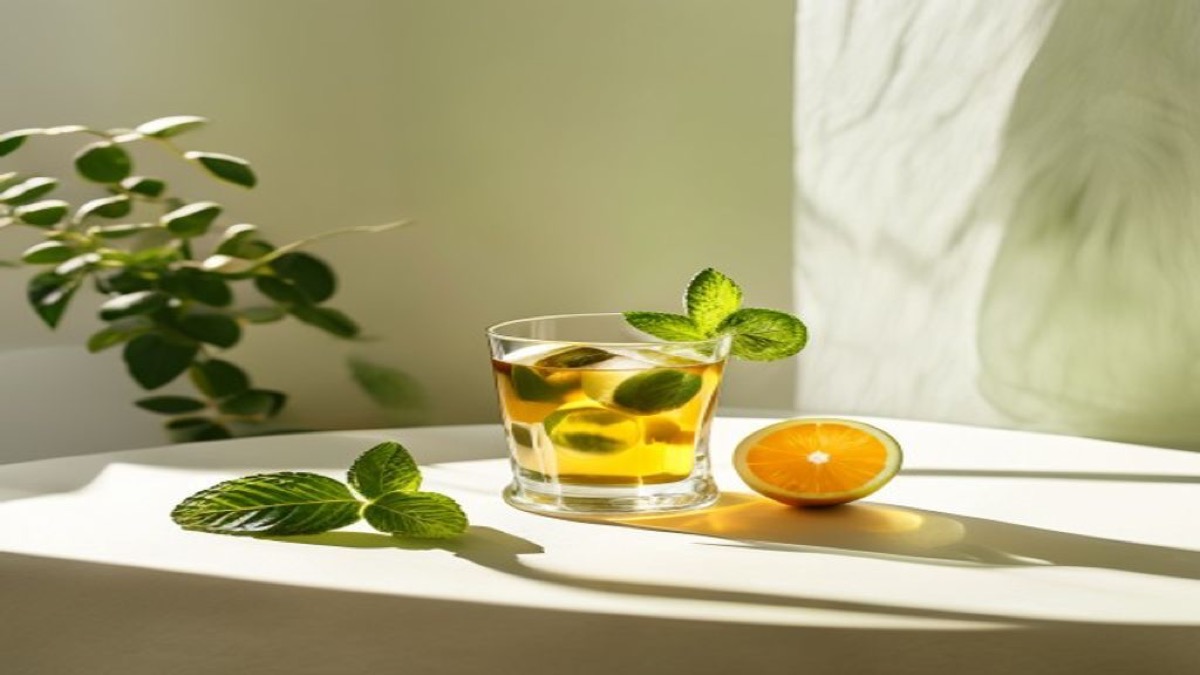
- Plain water with a few slices of lemon, cucumber, or mint: a touch of fresh flavor makes it easier to drink than plain water, and it's handy to carry with you all day.
- Herbal tea cooled down, enjoyed mildly cool: steep the tea, let it cool a little, and enjoy it at room temperature or mildly cool in place of iced sugary drinks.
- Fresh coconut water: a natural, water-rich option suited to times after heavy sweating — use in moderation, don't overdo it.
To learn more about the habit of enjoying warm drinks and herbal teas, you can also read Warm Drinks and Herbal Teas.
Avoiding heat shock from sudden hot-cold transitions
One of the most common summer mistakes is letting the body change temperature too fast: walking under scorching sun and then stepping straight into a deeply air-conditioned room, or sitting a long time in a cold room and then heading right out into the midday heat. This sudden difference forces the body to adjust abruptly and can easily cause dizziness and fatigue.
A few small habits make the transition gentler:
- Rest in an in-between area: when you come in from the sun, stand and rest for a few minutes somewhere airy, wipe off some sweat, and let your body cool naturally before entering a deeply air-conditioned room.
- Keep the air conditioner at a moderate level: around 26–27°C, avoiding too large a gap with the outdoor temperature. Setting it very low won't make you healthier and can leave your throat dry and your body tired.
- Don't shower in very cold water right after coming in from the sun: let the sweat dry off and the body settle before showering with moderately cool water.
- Shield yourself during peak sun: a hat, sun-protective clothing, sunglasses, and shade all help reduce the direct impact of harsh sunlight.
The most important thing is to listen to your body's warning signs. Mild heat exhaustion may show up as feeling faint, a headache, heavy thirst, or hot skin — at which point you should get to a cool spot, rest, and rehydrate right away. But if severe signs appear as mentioned at the top of the article (intense dizziness, confusion, fainting, seizures), don't hesitate — call emergency services.
A summer rhythm: rest and movement
Cooling off isn't only about what you eat and drink — it's also about how you arrange your day. Living in tune with the rhythm of the hot season helps the body strain less.
- 1Early morning — make the most of the cooler hoursDrink a glass of water after waking, eat a light breakfast, and save the tasks that need physical effort for the cool early hours of the day.
- 2Midday heat — limit exposure to the sunIf you can, avoid heavy work or lengthy travel under the peak sun (roughly 11am–3pm). A short midday rest helps the body recover.
- 3Late afternoon — light movement as it coolsWalking or moving at a moderate pace in the late afternoon is far more comfortable than at midday. Remember to bring water and sip steadily.
- 4Evening — prepare for a cool night's sleepShower with moderately cool water, keep the room airy, and limit screens close to bedtime so you fall asleep more easily even in the heat.
Exercise is still good in hot weather; you just need to pick the right time and know when to stop when the body signals. If you train outdoors, favor early morning or late afternoon, rehydrate in small sips before, during, and after, and don't push too hard when you feel dizzy or your heart is beating unusually fast.
Common mistakes when trying to cool off
"The more ice, the cooler." Iced water gives an instant refreshing feeling, but drinking a lot of it on an empty stomach or right after coming in from the sun can easily upset the stomach. Mildly cool water is usually gentler.
"Just drink lots of soda and juice to rehydrate." Sugary sodas and juices can add energy you don't notice, while also making thirst return faster. Plain water should remain the foundation.
"The colder the air conditioner, the healthier." A temperature that's too low, with a big gap from outside, easily causes a dry throat, tiredness, and a higher risk of dizziness during sudden transitions. A moderate level is always more comfortable.
"If I've no appetite, just skip the meal to feel lighter." Skipping meals leaves the body short on energy and even more tired in the heat. If your appetite is poor, split your meals and choose light, easy-to-digest dishes.
"Just rest whenever I feel too tired." In scorching heat, waiting until you're exhausted to rest is sometimes already too late. Proactively get to a cool place and rehydrate early, as soon as you notice the first signs.
A suggested 7-day practice for hot weather
You don't need to change everything at once. Try a small rhythm over one week and keep whatever suits you:
- Days 1–2: keep a water bottle within sight and sip steadily all day, watching the color of your urine to self-adjust your intake.
- Days 3–4: add a light, cooling dish to a meal (vegetable soup, a plate of cucumber, a piece of juicy fruit) in place of a deep-fried dish or something sugary.
- Day 5: try swapping your afternoon iced milk tea or soda for a mild, low-sugar herbal drink.
- Day 6: set the air conditioner to a moderate level and build the habit of resting a few minutes somewhere airy before moving between hot and cold.
- Day 7: shift the tasks that take physical effort to early morning or late afternoon, and notice whether the day feels less sluggish.
After a week, look back and see whether your midday feels less tiring, your sleep deeper, and whether you rely less on cold, sugary drinks. Small but consistent changes tend to last far longer than trying to "cool off in a hurry" and then slipping back into old habits.
In closing: live with the season, feel better every day
Staying cool in hot weather the right way isn't about finding a "miracle" drink or dish. It's the combination of simple things: rehydrate steadily and early, eat light and seasonal, choose gentle drinks over cold sugary ones, avoid heat shock, and rearrange your daily rhythm to fit the heat. When you listen to your body and adjust with the season, every summer day feels much easier to breathe through.
That's also the spirit of proactive wellness IKI pursues: not imposing one formula on everyone, but walking alongside you to understand your own body and constitution so you can choose what suits you best in each season. If you'd like to go further, you can start with how to drink water by constitution and how to eat by season and constitution to build a lifestyle in tune with nature all year round.