
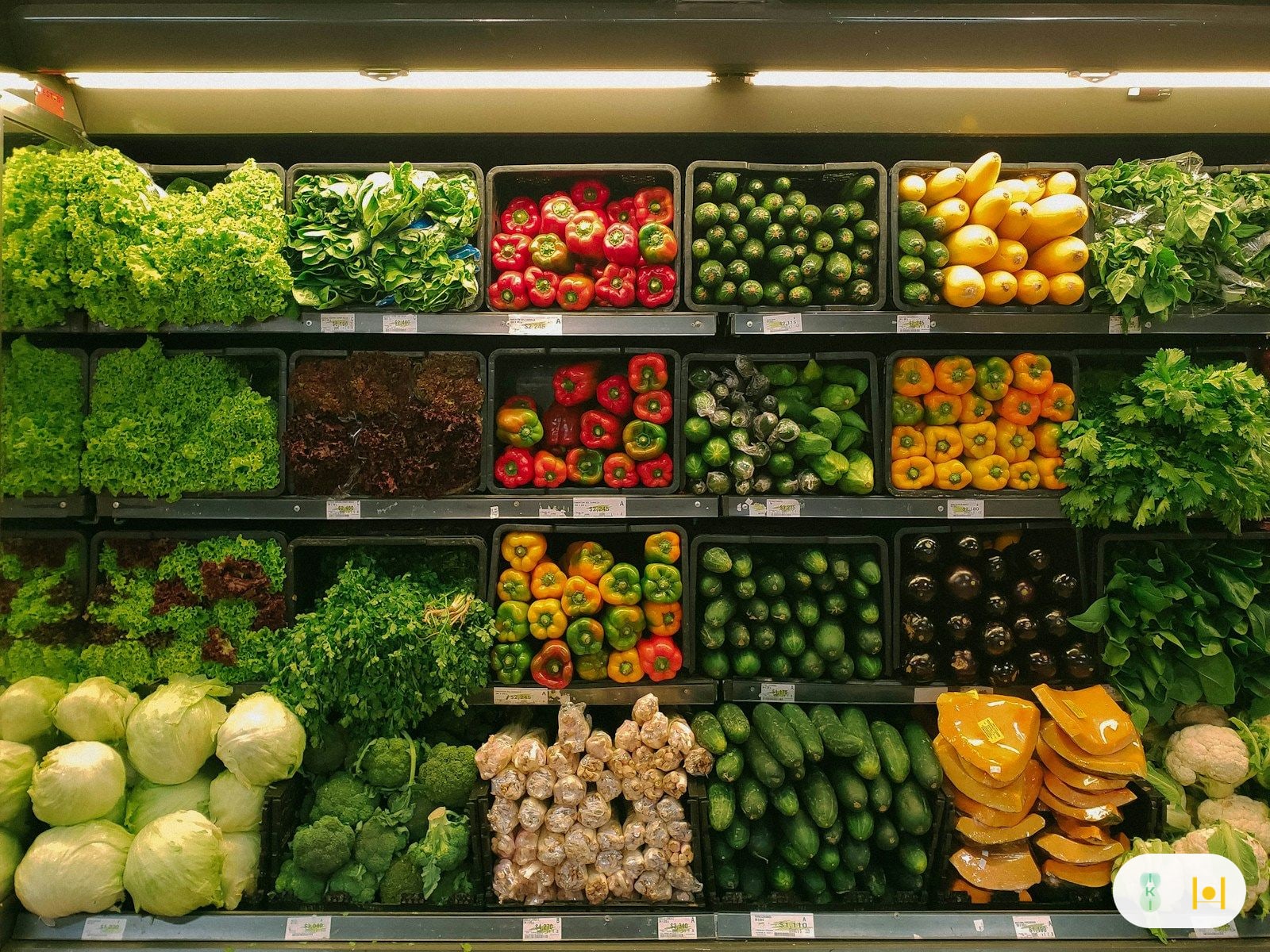
"Eat what the season brings" — this simple saying from our grandparents holds one of the most sustainable wellness principles there is. Before refrigerators and year-round supermarkets, Vietnamese people ate in step with nature's rhythm: vegetables in season, fruit at the right time, warm dishes for cold days, cooling dishes for humid ones. This article shares how to combine the wisdom of eating by season with an understanding of body constitution, so you can practice proactive wellness based on your own body.
Why "eating by season" is age-old Vietnamese wisdom
In-season food has three natural advantages. First, it's at its freshest when harvested at the right time — picked just when ready, with little need for long storage. Second, it usually suits the weather: hot season brings plenty of juicy fruit and cooling vegetables; cold season brings hearty, energy-rich root vegetables. Third, eating by season is also a way to eat more affordably and closer to your local area.
In folk experience, people are seen as part of nature, and a body that moves "in step" with the season tends to feel more at ease. Today we can understand this simply: eating fresh, varied food suited to the weather is the foundation of a healthy diet.
Eating by season isn't a rigid rule — it's a gentle reminder to eat fresher, more varied food, closer to nature's own rhythm.
What is body constitution: five tendencies in Eastern medicine
If "eating by season" answers the question of what to eat based on the weather, then body constitution answers the question of how each person should eat. Traditional Eastern medicine describes each person's constitution through different tendencies. This isn't a medical diagnosis — it's a way of observing in order to care for yourself appropriately:
- Cold-leaning (Hàn): often has cold hands and feet, prefers warm food, an easily upset cold stomach.
- Heat-leaning (Nhiệt): often feels overheated, thirsty easily, prefers cooling food.
- Deficiency (Hư — depleted, weak): tires easily, low energy, needs gentle nourishment.
- Excess (Thực — congested, stagnant): body feels "full" or congested, sluggish digestion, suited to lighter eating.
- Damp-phlegm (Đàm thấp — heavy, sluggish): often feels heavy and lethargic, needs light, easy-to-digest food.
Each person usually carries one dominant tendency, sometimes a mix, and it can shift with age, season, and lifestyle. Understanding your own tendency is the first step to choosing suitable food — this is also the foundation of IKI Technology, where AI draws on a constitution survey to give personalized suggestions.
Self-observation: which tendency do you lean toward
You don't need a complex diagnosis to get started. Just spend a few minutes observing yourself through the simple questions below, and you'll notice your body's dominant tendency. Remember, this is a way to understand and care for yourself, not to label yourself or worry.
| Observation | If you usually... | Suggested tendency | |---|---|---| | Body temperature | Have cold hands and feet, like wrapping up in blankets, avoid cold food | Cold-leaning | | How you feel inside | Feel overheated, thirsty easily, prefer cool food, get mouth ulcers | Heat-leaning | | Energy level | Tire easily, get out of breath, speak softly, avoid exercise | Deficiency-leaning | | Digestion | Often feel bloated, sluggish and slow to digest after eating | Excess-leaning | | Physical sensation | Heavy, lethargic, sleepy during the day | Damp-phlegm |
Most people don't fit neatly into one box — it's usually a mix, such as running cold and tiring easily at the same time (Cold-leaning with Deficiency), or feeling overheated and bloated at the same time (Heat-leaning with Excess). That's completely normal. The goal isn't to sort yourself into exactly one category, but to know which way your body is leaning so you can choose food that feels better.
Eating suggestions by tendency
Once you have a sense of your own tendency, you can refer to the food choices below. These are all folk experience aimed at helping the body feel more comfortable, offered for reference only — not medical advice:
- Cold-leaning: favor warm, thoroughly cooked dishes — ginger soup, warm porridge, root-vegetable stews, warm ginger tea. Limit ice-cold drinks and very cooling fruit on an empty stomach.
- Heat-leaning: favor cooling vegetables, juicy fruit, light soups — winter melon soup, pennywort, mung bean soup. Limit fried food, spicy-hot food, and alcohol.
- Deficiency-leaning: eat enough meals with enough clean protein and good carbs for lasting energy; split into smaller meals if a large one leaves you tired. Favor easy-to-digest, gently nourishing dishes.
- Excess-leaning: favor light dishes with plenty of vegetables, steamed or boiled rather than fried in a lot of oil; eat just enough to feel full, avoid overeating in one sitting.
- Damp-phlegm: favor light, easy-to-digest dishes, low in oil and sweets; increase leafy greens, ginger, and warming spices to make meals feel lighter, especially on humid days.
Eating by season: what to favor each season
The four seasons of the year bring different needs for the body. You don't need to memorize this like a rule table — just get a feel for the general spirit of each season, and let your local market remind you of the rest.
Spring
The weather warms gradually, and the body "wakes up" after the cold season. This is the time for young leafy greens, bean sprouts, sprouted vegetables, sweet mustard greens, lettuce, pennywort — gentle and fresh. After a winter usually spent on rich stews with little vegetables, spring is the season for the body to shift toward lighter meals. You can increase boiled vegetables, vegetable soups, and dishes with a naturally light sourness, like sour soup or sprout salad. Eating light and varied vegetables helps the body transition seasons comfortably, with a lighter overall feeling too.
Summer
The weather is hot, the body sweats heavily and needs cooling. Favor water spinach, malabar spinach, jute leaves, luffa, gourd, winter melon, and juicy fruit like watermelon, dragon fruit, and honeydew melon. This is the season for crab soup with jute leaves, malabar spinach and luffa soup — dishes that are both cooling and light on the stomach. Drinking enough water is the single most important thing in summer, since heavy sweating easily leaves the body tired. In folk experience, dishes like mung bean sweet soup, pennywort juice, and winter melon soup are considered cooling, suited to sweltering days. It's best to limit very spicy-hot food, deep-fried food, and alcohol on scorching days.
Autumn
The air turns drier, and skin and throat can easily feel parched. This suits foods that are moisturizing and gentle, like pear, lotus root, pumpkin, sweet potato, nuts/seeds, and honey. This is the ideal season to eat moderately, rebalancing after summer and preparing for the cold season. Light stewed soups with lotus root, pumpkin, and lotus seeds are gentle while gradually warming with the changing weather. Anyone prone to a dry throat or dry skin can pay attention to drinking enough water and adding juicy fruit like pear, pomelo, and orange.
Winter
The weather is cold, and the body needs to stay warm and keep up its energy. Favor root vegetables (potato, carrot, daikon, kohlrabi), winter-season leafy greens, warm stews, ginger, scallion, garlic, cinnamon. A hot dish on a cold day isn't just tastier — it's more comfortable for the body too. This is the season for simmering pots of soup, hot porridge, and warm braised dishes. In folk experience, ginger and warming spices are added to cold-weather dishes to create a feeling of warmth from within. People with a Cold-leaning constitution are especially suited to this season's eating spirit; conversely, those who run hot should still keep a portion of leafy greens and fruit for balance.
A seasonal food reference table
You can save the table below as a simple market map. This is a general suggestion based on Northern Vietnam's climate; other regions may differ slightly, so just favor whatever is freshest and cheapest at your local market.
| Season | Vegetables to favor | Root vegetables and fruit | Meal spirit | |---|---|---|---| | Spring | Sprouts, bean sprouts, sweet mustard greens, pennywort | Green peas, strawberry, orange | Light, plenty of fresh vegetables | | Summer | Water spinach, malabar spinach, jute leaves, luffa | Watermelon, dragon fruit, winter melon | Cooling, high in water, light on the stomach | | Autumn | Crown daisy, ceylon spinach, celery | Pear, lotus root, pumpkin, lotus seeds | Gentle, moderate, moisturizing | | Winter | Cabbage, cauliflower, napa cabbage | Potato, carrot, daikon, kohlrabi | Warm and hot, energy-rich |
Combining season and constitution: a few real examples
Something interesting happens when you combine season with your own constitution:
- A Cold-leaning person, in winter: this is the period that calls for the most care in staying warm. A ginger stew or a dish of warm root vegetables will feel far more comfortable than cold, chilled food.
- A Heat-leaning person, in summer: suited to cooling vegetables and juicy fruit; it's best to moderate fried and spicy-hot food to avoid feeling stifled.
- Someone prone to feeling heavy in the stomach (Damp-phlegm), year-round: favor steamed, boiled, light dishes; limit oily food, especially on humid days.
As you can see, there's no single "golden menu" for everyone. The same bowl of refreshing crab-and-jute-leaf soup suits a Heat-leaning person perfectly on a summer day, while a Cold-leaning person feels more comfortable with a bowl of warm ginger soup. This is exactly the spirit of IKI Academy: wellness care should start with truly understanding your own body.
Common misconceptions
"Any nutritious food is fine for everyone." Not quite. A nutrient-rich dish may still not suit a particular person's constitution or the moment they're in. What matters is fit, not just nutrition.
"Eating by season means complicated restrictions." Quite the opposite — eating by season is usually simpler and more affordable, since you're choosing whatever is most available and freshest.
"Constitution is fixed for life." A body's tendencies can shift with age, season, activity level, and lifestyle. So listening and adjusting over time matters more than pinning a fixed label on yourself.
How to start proactive wellness
You don't need to overhaul your entire diet right away. Try three small steps:
- Choose by season: when shopping, favor vegetables and fruit that are in season — fresher and cheaper at once.
- Observe your body: after each meal, notice which dishes leave you feeling light and which leave you feeling heavy or sluggish.
- Adjust gradually: keep what suits you, cut back on what leaves your body uncomfortable.
After just a short while, you'll have drawn your own personal "eating map" — something no generic menu could ever replace.
Conclusion: different people, different approaches; different seasons, different foods
Proactive wellness doesn't come from chasing the latest eating trend — it comes from two simple principles our grandparents lived by: eat food that's in season, and choose dishes suited to your own constitution. When you combine folk wisdom with listening to your body, every meal becomes a small, gentle step of self-care each day.
That's also what IKI walks alongside you for: not imposing one generic formula, but helping you truly understand your own constitution so you can choose what suits you best, season by season.