
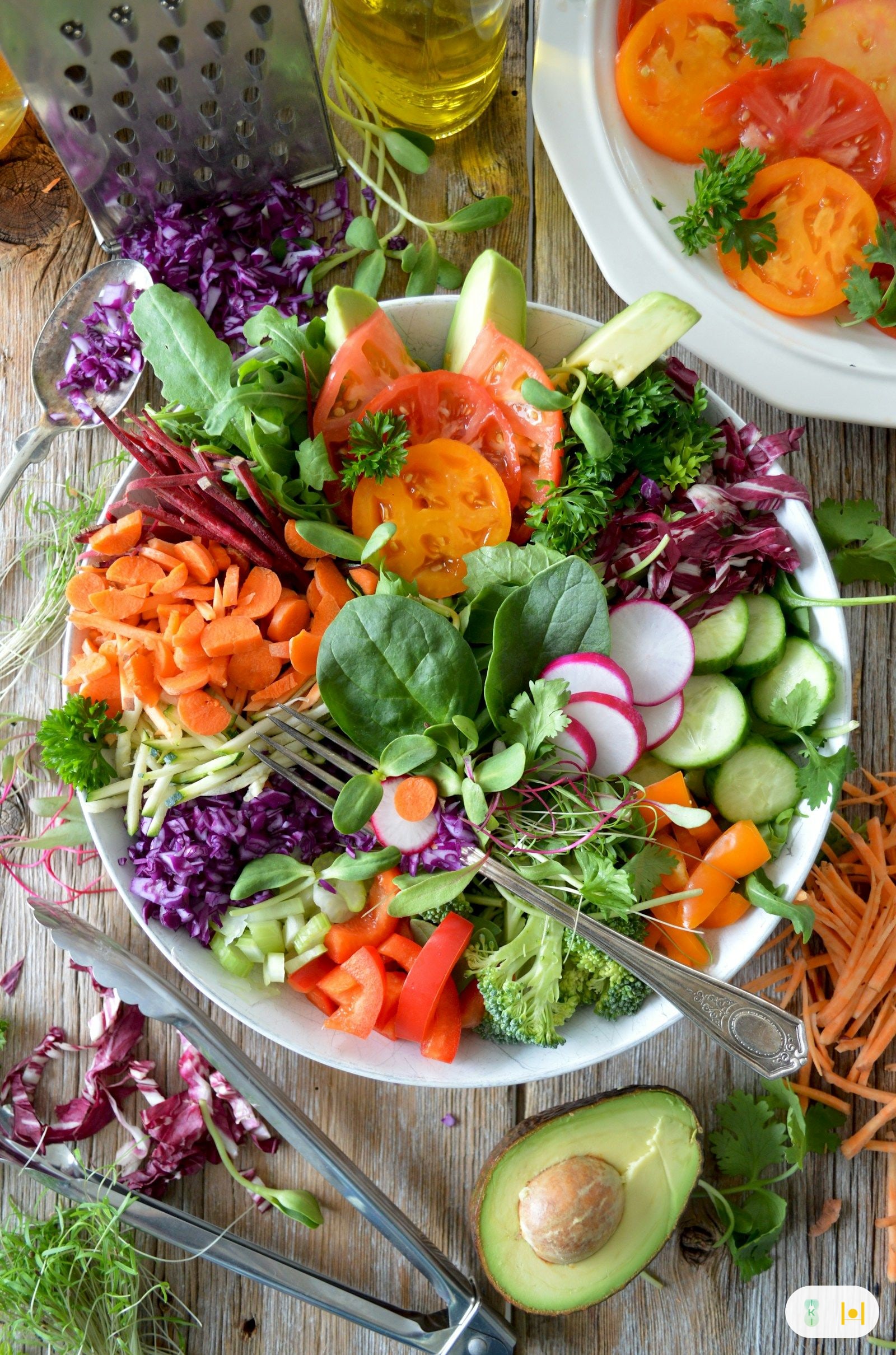
Leafy greens appear in almost every Vietnamese meal, so familiar that few people give them a second thought. A plate of boiled water spinach, a bowl of Malabar spinach soup, a dish of garlic-fried mustard greens — all humble and cheap. Precisely because they're so familiar, leafy greens are often taken for granted, eaten just to have them there, even the first thing skipped when life gets busy.
But if you look closely at what a handful of greens delivers, you'll see this is one of the most worthwhile food groups in your everyday meals, both for its nutritional value and its cost. This article walks through what's really in leafy greens, why you should eat them every day, the familiar types in Vietnam, how much is enough, how to choose and cook them while keeping the nutrients, and a few varied ways to eat them so they don't get boring.
The nutritional value of leafy greens
What leafy greens have in common is being rich in nutrients but very low in energy. You can eat a full bowl of greens while the calories you take in stay modest, all while gaining many useful components.
Fiber. Leafy greens are a generous source of fiber, both soluble and insoluble. Fiber creates a feeling of fullness, supports normal digestive function, and feeds the gut microbiome.
An important group of vitamins. Many leafy greens contain vitamin K, vitamin C, folate (a B vitamin), and provitamin A in the form of beta-carotene. These are micronutrients involved in many normal body functions, from blood clotting and immunity to building new cells.
Minerals. Greens contribute potassium, magnesium, and some calcium and plant-based iron. Although iron and calcium from plants are absorbed differently than from animal sources, greens are still a meaningful contribution to the overall diet, especially for those who eat a lot of plants.
Plant compounds and antioxidants. The green color comes from chlorophyll, and alongside it are plant compound groups such as carotenoids (lutein, zeaxanthin) and many other antioxidants. This is the "added value" that fresh, minimally processed food tends to bring.
Water. Leafy greens have a high water content, contributing a small part to your total daily water intake.
What's worth noting is that no single vegetable contains everything. Spinach is strong in one respect, water spinach in another, katuk has its own strengths. That's exactly why variety is always the most important keyword when it comes to eating vegetables.
Why eat leafy greens every day
The value of greens doesn't lie in a single "super nutrient," but in the way they show up steadily and in balance across your meals. Here are the most practical contributions.
- A steady supply of fiber. Fiber needs to be taken in every day, not all at once. Eating greens across meals is a natural, easy-to-sustain way to keep your fiber intake steady and support normal digestion.
- Adding bulk to a meal with little energy. Thanks to their water and fiber, greens make a meal look fuller and create a feeling of fullness without adding many calories. For those wanting to balance their portions and keep their shape, this is a real advantage.
- Enriching the micronutrients in your diet. Each vegetable brings a different mix of vitamins and minerals. Eating a variety of greens every day is a simple way to keep your meals from being poor in micronutrients.
- Rebalancing a menu heavy in carbs and protein. Vietnamese meals are often heavy on rice and savory dishes. Adding greens rebalances them, bringing the meal closer to a harmonious portion.
- Low cost, easy to access. Compared with many other food groups, leafy greens are cheap, available year-round, and easy to prepare. It's one of the most "much for little" choices in everyday meals.
To be clear: these are contributions to nutrition and eating habits, not a promise of any specific health outcome. Greens are part of the bigger picture, alongside food variety, movement, and sleep.
Common leafy greens in Vietnam
The beauty of Vietnamese meals is how abundant leafy greens are, changing with the seasons and the region. Here are a few familiar types and their distinct traits.
Water spinach (rau muống). The most everyday of vegetables, available year-round but best in summer. Water spinach is rich in fiber and suits boiling, garlic stir-frying, or soup. The boiling water, soured with dracontomelon (sấu) or a squeeze of lime, is a familiar cooling drink.
Malabar spinach (mồng tơi). Thick leaves with a distinctive slippery texture when cooked, rich in fiber. Malabar spinach is often cooked in crab or shrimp soup, or plain, a cool, gentle soup for hot days.
The mustard family (các loại cải). Green mustard (cải bẹ), choy sum (cải ngọt), bok choy (cải thìa, cải chíp)… this group is very diverse. Green mustard has a slightly pungent, sharp taste that suits soup or pickling; choy sum and bok choy are milder, good for stir-frying or boiling. Mustard greens in general are easy to buy, easy to cook, and fit many dishes.
Spinach (cải bó xôi, also rau chân vịt, rau bina). Soft leaves with a mild taste, usable in salads, soups, quick stir-fries, or green smoothies. It's a versatile green, suiting both Vietnamese and Western styles of cooking.
Katuk (rau ngót). Small leaves, often cooked in soup with minced meat or plain, a light, familiar soup in many households.
Amaranth greens (rau dền). There are red amaranth and green amaranth, both with soft leaves, good for soup or boiling. Red amaranth turns the soup a pretty pink when cooked.
Sweet potato leaves (rau lang). The tender tips of the sweet potato plant, delicious boiled or stir-fried with garlic, rich in fiber and increasingly popular.
This list could go on with crown daisy (cải cúc), pennywort (rau má), lettuce, jute leaves (rau đay), and many more. The practical suggestion is to rotate through a few types with the seasons rather than eating the same one all the time. Changing vegetables not only keeps meals from getting boring but also makes your micronutrient intake more varied.
A few notes on particular vegetables
Most leafy greens are gentle and easy to eat, but a few have particular traits worth knowing so you can eat them in a way that fits your circumstances.
- Water spinach. In folk experience, many people avoid water spinach when they have an open wound or have just had surgery, out of concern about raised scars. This is passed-down experience rather than a certainty for everyone; if you're in this situation and unsure, just ask your doctor for peace of mind.
- Spinach and amaranth. This group is high in oxalate. For people with a history of oxalate kidney stones, the usual advice is not to cut them out entirely but to eat a variety of vegetables, avoid eating too much of one high-oxalate type continuously, and drink enough water.
- The mustard family (brassicas). Very nutrient-rich and suitable for almost everyone. Some people with thyroid conditions are sometimes advised to be mindful when eating very large amounts of raw brassicas; cooking usually eases this, and at normal portions it's not a worry.
- Raw vegetables (lettuce, herbs, baby spinach). The main point to note is hygiene: wash them thoroughly under running water several times and choose a trustworthy source, since raw vegetables aren't heat-treated.
These notes aren't meant to make you wary of vegetables, but to help you eat them proactively and appropriately. For most healthy adults, eating a variety of vegetables in moderation is still a simple and beneficial choice.
How much is enough
This is a question many people wonder about. A common reference for adults is around 300g of vegetables a day, of which leafy greens should make up a meaningful share (the rest can be other tubers and vegetables).
The figure of 300g sounds like a lot, but greens shrink considerably when cooked, so in practice it's roughly two to three bowls of cooked vegetables split across the day's meals. If you have a plate of boiled or stir-fried vegetables at lunch and a bowl of vegetable soup at dinner, you've covered most of the distance.
A few principles to make this easy to do:
- Split it evenly across meals rather than trying to eat a huge amount in one sitting. Spreading it out helps the body adjust and ensures every meal has vegetables.
- Rotate the type of vegetable through the week to vary your micronutrients, rather than sticking to one kind.
- Adjust to your needs. People with lots of activity and high energy needs can eat more; what matters is being consistent.
- Those new to eating many vegetables should increase the portion gradually to let the digestive system get used to the fiber, and remember to drink enough water.
Don't turn eating vegetables into a stressful gram-counting task. The 300g figure is there to help you picture the target, but the core spirit is: every meal should have vegetables, and the vegetables should be varied.
How to choose, prep, and cook to keep the nutrients
However good vegetables are, choosing ones that aren't fresh or cooking them the wrong way loses much of their value. Here are a few simple tips.
When choosing vegetables:
- Choose vegetables with fresh, naturally green leaves, not wilted, bruised, or spotted with yellow or brown.
- The stems should be crisp and firm; avoid vegetables that are already soft and limp or smell off.
- Favor in-season vegetables from a trustworthy source. In-season vegetables are usually fresher, better priced, and require less intervention while growing.
- Don't stockpile too much. Leafy greens wilt and lose nutrients if kept too long, so buy just enough for a few days.
When prepping:
- Wash the vegetables before cutting, don't cut them small and then soak them. Many vitamins in vegetables dissolve in water, so if you cut them small and soak them for long, the nutrients wash away with the water.
- Rinse under running water, and rinse several times for raw vegetables. No need to soak for too long.
- Pick out the old, damaged, bruised parts; keep the leaves and tender stems.
When cooking:
- Cook quickly, with little water, over just enough heat. A quick boil or a short high-heat stir-fry usually keeps more nutrients and the green color than long simmering.
- Don't overcook. Overly mushy vegetables not only lose their appeal but also lose heat-sensitive vitamins.
- Add the vegetables once the water is boiling (for boiled dishes) to shorten their time in contact with heat.
- Make use of the boiling water. Some vitamins and minerals dissolve into it; using this water for a soup is a way to avoid waste.
- Eat right after cooking. Vegetables kept for long or reheated repeatedly lose quality. Cooking just enough for the meal is best.
A little tip: for vegetables with beta-carotene (provitamin A), cooking with a bit of oil or eating them with a healthy fat source helps the body absorb this group of nutrients better. That's why a plate of mustard greens stir-fried with a little oil is both tasty and sensible.
How to eat vegetables in varied ways, without getting bored
The common reason many people don't eat enough vegetables isn't that they don't know greens are good, but that eating the same style all the time gets boring. Changing the way you prepare them is the key to sustaining the habit long-term.
- Boiling. A simple method that keeps the vegetable's original flavor. Dipping in fish sauce, soy sauce, or kho quẹt (a savory caramelized dip) is enough to make it tasty. Remember to boil quickly, don't let the vegetables go mushy.
- A quick stir-fry with garlic. Stir-fry over high heat for a short time so the vegetables are just cooked, keeping their crunch and green color. A bit of fragrant fried garlic makes the dish far more appealing.
- Making soup. Malabar spinach soup, katuk soup, and mustard greens soup with shrimp and meat are cool, gentle dishes, easy to eat and suited to family meals.
- Raw salad. With raw-eating vegetables like lettuce and baby spinach, you can toss them with olive oil, a little lime, and other vegetables. Remember to wash them thoroughly and choose a trustworthy source.
- Adding them to other dishes. Add vegetables to noodles, porridge, fried rice, sandwiches, or wraps. This is a way of "eating vegetables without feeling like you're eating vegetables," great for those not yet used to them.
- Green smoothies. Blend spinach or pennywort with banana, apple, and a little water for a light drink. Go easy on the sugar to keep it balanced.
A practical suggestion: try a different preparation for each meal, and change the type of vegetable with the seasons. When the table doesn't repeat the same boring dish, eating enough vegetables becomes natural rather than an obligation.
A week of vegetables to keep things fresh
If you find it hard to picture "rotating vegetables" in practice, here's a suggested framework for the whole week. Don't treat it as a rigid rule, just an example to show that changing the type and the cooking method is easier than you'd think. Just swap in whatever vegetables are at the market:
| Day | Suggested vegetable | Preparation | |---|---|---| | Monday | Water spinach | Boiled with kho quẹt dip, boiling water soured with dracontomelon | | Tuesday | Choy sum | Quick stir-fry with garlic | | Wednesday | Malabar spinach | Crab or shrimp soup | | Thursday | Spinach | Quick stir-fry, or the tender leaves in a salad | | Friday | Katuk | Katuk soup with minced meat | | Saturday | Sweet potato leaves | Boiled or stir-fried with garlic | | Sunday | Amaranth greens | Amaranth soup, or boiled |
Using this table is very simple: each day pick a different vegetable, favoring what's in season and fresh at the market. You don't need to follow the order, nor to include all seven types; the core is every meal has vegetables, and the type changes across the week. Just that, and your micronutrient intake becomes naturally far more varied than eating the same familiar dish over and over.
A tip to make this more sustainable: when you go to the market at the start of the week, buy a few different vegetables rather than a lot of one. Leafy greens don't keep long, so buying a variety in modest amounts both avoids wilting and forces the table to change dishes.
Common misconceptions
There are plenty of myths around eating vegetables too. Let's clear up a few common ones.
"All vegetables are the same, it doesn't matter which you eat." Each vegetable has its own micronutrient strengths. Eating only one type, even a "nutritious" one, still isn't as good as rotating through many. Variety always matters more than trying to find the single best vegetable.
"Raw vegetables are always better than cooked." Not necessarily. Raw vegetables keep heat-sensitive vitamins, but cooked vegetables help the body absorb some other nutrients more easily and are safer in terms of hygiene. The balanced approach is to combine both, and for raw vegetables, wash them thoroughly and choose a trustworthy source.
"Eat a huge amount of vegetables in one meal to make up for the week." Fiber and micronutrients need to be taken in steadily, not piled up at once and then skipped for days. Eating vegetables sensibly at every meal is far better than eating them all at once.
"Vegetable juice can replace vegetables." Juicing removes most of the fiber, one of the greatest values of vegetables. Juice can be an addition, but it doesn't replace eating the whole leaf.
"Frozen vegetables lose all their nutrients." Properly frozen vegetables usually keep most of their nutrients and are a convenient choice when fresh vegetables aren't available. In-season fresh vegetables are still ideal, but frozen vegetables aren't "worthless."
In closing
Leafy greens are a lovely example of the eating philosophy the IKI community pursues: humble, steady, sensible choices are the foundation of proactive wellness. Greens are rich in fiber, vitamins, and minerals, yet low in energy and easy to access — so much so that we sometimes forget how valuable they are.
No need for anything elaborate, just remember a few core things: every meal has vegetables, rotate through many types with the seasons, wash before cutting and cook quickly to keep the nutrients, eat around 300g a day split evenly across meals, and change the preparation to avoid getting bored. That's how a handful of greens can deliver its full value sustainably.
If you'd like to see the bigger picture of a balanced menu, you can also read about the 8 healthy food groups and how to eat by season and constitution to choose the foods that suit you.
Proactive wellness begins with small choices each day. A meal with vegetables is just one step, but many small, healthy steps add up to a lasting way of living.