
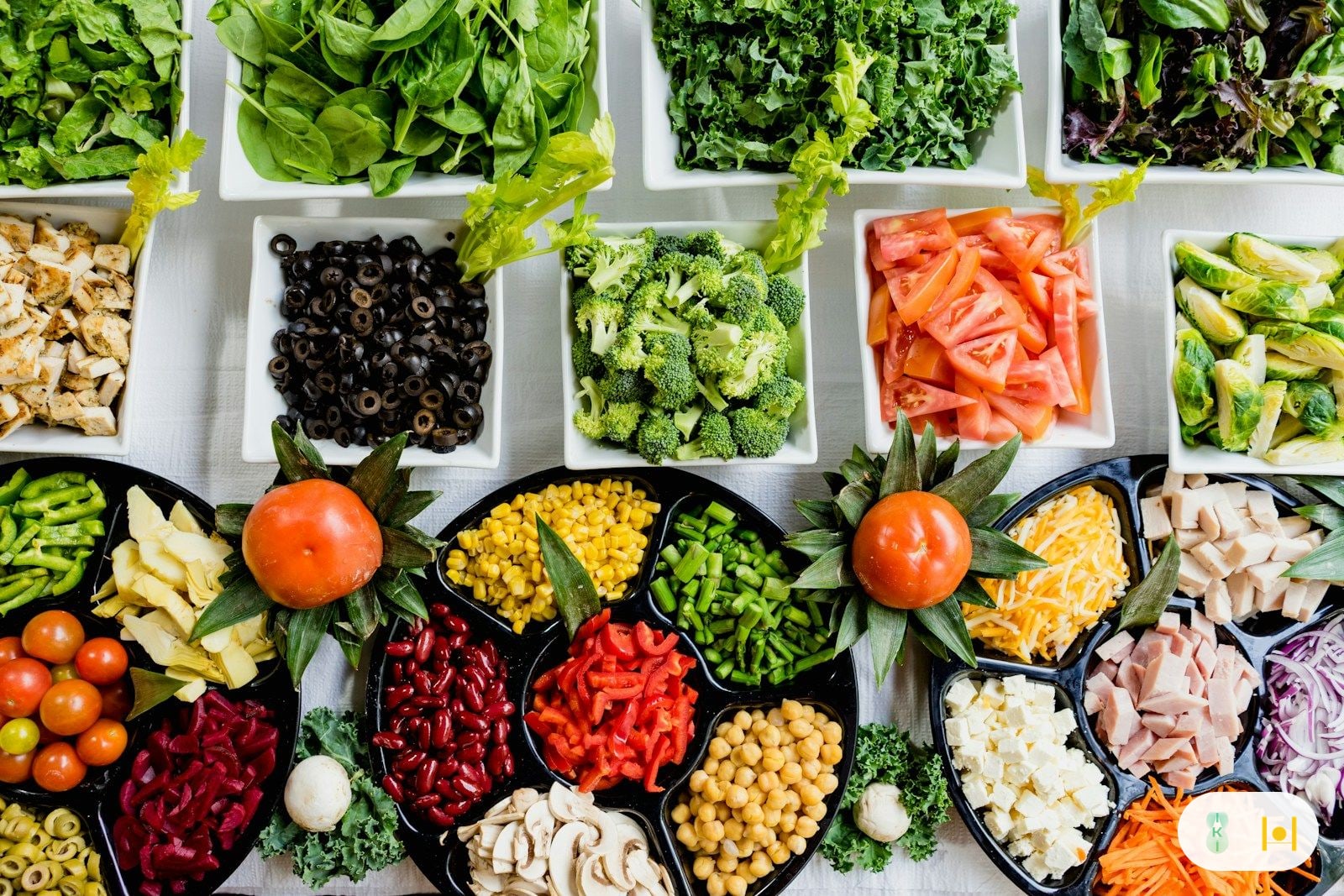
Most of us have heard the phrase "eat healthy", but when it comes to an actual meal, we often feel stuck: what should I eat today to get enough nutrients and keep things balanced? The problem usually isn't a lack of information — it's that there's too much of it, scattered everywhere. A simple way to cut through the noise is to look at food in groups, then learn how to arrange those groups on your plate in a way that works together.
This article sorts familiar foods from the Vietnamese kitchen into eight healthy groups: good carbs, clean protein, healthy fats, vegetables, root vegetables, fruit, nuts and seeds, and fermented foods. For each group, you'll find its characteristics, a few easy-to-find examples, and notes on how to use it. At the end, you'll find a way to combine them into a balanced meal that anyone can do, without complicated measuring.
Why balance food groups
The body needs many different kinds of nutrients: carbohydrates for energy, protein to build and repair tissue, fat to absorb vitamins and support cell function, plus a whole range of vitamins, minerals, and fiber. No single food contains everything. So the most proactive and sustainable approach to nutrition is to eat a variety of foods, letting the different groups fill in each other's gaps.
Balance here has two layers of meaning. The first is balance between the groups: not loading up on carbs or protein while neglecting vegetables and root vegetables. The second is balance in portion size: even a good food group, eaten far beyond what you need, can still leave you with excess energy overall. Eating in a balanced way isn't about extreme restriction — it's about allocating things sensibly according to your own needs.
One more thing worth remembering: balance is measured over the whole day and week, not meal by meal. If lunch was a bit short on vegetables, add more at dinner; if today had no fermented food, make up for it tomorrow. Looking at the bigger picture makes things easier and helps you keep it up long-term.
Not just enough groups, but food quality too
Here's something worth thinking about: two meals that both look "complete on paper" can still differ enormously in quality. A plate of white rice with processed meat and a bit of oily stir-fried vegetables, versus a plate of brown rice, steamed fish, and a variety of boiled vegetables — both have carbs, protein, and vegetables, but their nutritional foundation is worlds apart.
What makes the difference is how close the food stays to its natural form. The closer food is to its whole, original state — minimally processed, with little added sugar, salt, or additives — the more it retains fiber, vitamins, minerals, and beneficial plant compounds. Heavily processed food, on the other hand, is often energy-dense but micronutrient-poor, easily leaving the body "high on energy but low on nutrition".
This is also why variety matters so much. No single food is perfect on its own; the real power lies in combination. When you rotate through different seasonal vegetables, varied protein sources, and a range of colors on your plate, the nutrient groups fill in for each other, and your diet becomes solid and dependable over time. This is the spirit of proactive wellness: not chasing a single "superfood", but building a foundation of eating that is varied, consistent, and close to nature.
Group 1: Good carbs
Carbohydrates are the main energy source for the brain and body, but the quality of the carbs is what really counts. Good carbs are those that still keep their bran, germ, and fiber, digesting more slowly so energy is released steadily and you're less likely to feel a sudden hunger crash.
Easy-to-find examples: brown rice, oats, corn, sweet potato, taro, whole legumes, whole-grain bread, brown rice noodles. Even white rice can become more balanced when mixed with a portion of brown rice or served with plenty of vegetables.
Notes on use: favor whole grains over refined starches and sweets. Your carb portion should match your activity level; if you're not very active, you can reduce the rice and add more vegetables. There's no need to cut out carbs — just choose the good kind and eat a reasonable amount.
Group 2: Clean protein
Protein helps build muscle, produce enzymes and hormones, and support the immune system. "Clean protein" means favoring protein sources that are low in saturated fat and minimally industrially processed.
Easy-to-find examples: legumes and soy products such as tofu, soybeans, lentils, chickpeas; fish; eggs; skinless poultry; lean meat. For plant-based eaters, beans and nuts/seeds are a foundational protein source, especially soy protein.
Notes on use: vary your protein sources through the week rather than sticking to just one. Favor steaming, boiling, or lightly braising over deep-frying. Limit salty processed meats like sausages and bacon. Combining plant and animal protein (or several different plant protein sources) makes for a more complete meal.
Group 3: Healthy fats
Fat isn't the enemy. The body needs fat to absorb fat-soluble vitamins, build cell membranes, and stay feeling full. What matters is choosing the right type of fat and using the right amount.
Easy-to-find examples: olive oil, cold-pressed plant oils, avocado, fatty fish like salmon, mackerel, and herring, along with the natural fat in nuts and seeds. These are rich in unsaturated fat, which nutrition guidelines view favorably when used in place of saturated fat.
Notes on use: healthy fats are still energy-dense, so use them in moderation. Limit large amounts of animal fat and avoid trans fats found in repeatedly reused frying oil and industrial snacks. A practical trick is to use good oil for dressing salads or drizzling over cooked dishes — it keeps the flavor while controlling the amount.
Group 4: Vegetables
Leafy greens and stem vegetables are the foundation of a balanced meal. They're low in energy but rich in fiber, vitamins, minerals, and plant compounds, keeping a meal light on the stomach while still feeling complete.
Easy-to-find examples: water spinach, various leafy greens, broccoli, spinach, amaranth greens, lettuce, herbs. The Vietnamese kitchen is naturally rich in vegetables, making this the easiest group to boost.
Notes on use: try to let vegetables take up most of your plate, and vary the colors, since each color usually comes with a different set of nutrients. Favor boiling, steaming, or quick stir-frying with a little oil to preserve nutrients. Wash thoroughly, and eating in-season vegetables is usually fresher, tastier, and easier on the wallet.
Group 5: Root vegetables
Root vegetables are the plant's underground nutrient-storage organs, so they tend to have more starch and natural sugar than leafy vegetables. They provide energy while carrying fiber and minerals along with it, making them an interesting bridge between the vegetable group and the carb group.
Easy-to-find examples: carrot, daikon, beetroot, taro, jicama, kohlrabi, onion. Many root vegetables can be eaten raw in salads or cooked into soup, braises, or steamed dishes, all equally delicious.
Notes on use: since root vegetables carry starch and sugar, count a portion of them as part of your meal's energy, especially taro or sweet potato. Eat a variety of root vegetables, and leaving on thin, edible skin keeps more fiber. Root vegetables store well, which is convenient for busy people.
Group 6: Fruit
Fruit brings natural sweetness, vitamin C, potassium, fiber, and plenty of antioxidants. It's a way to end a meal or make a snack that's both tasty and healthy, in place of sugary sweets.
Easy-to-find examples: orange, pomelo, guava, apple, banana, papaya, dragon fruit, berries like strawberry and raspberry. Eating in-season fruit tends to be fresher, cheaper, and more flavorful.
Notes on use: eat whole fruit rather than juicing it, since eating the flesh keeps the fiber and helps you feel full longer. Fruit still contains natural sugar, so anyone who needs to watch their blood sugar should mind the portion and choose less sweet varieties. Spread fruit across the day rather than eating it all at once.
Group 7: Nuts and seeds
Nuts and seeds are a compact storehouse of nutrients: healthy fat, plant protein, fiber, and minerals like magnesium, zinc, and vitamin E. A handful can turn a plain snack into something nutrient-dense.
Easy-to-find examples: almonds, walnuts, cashews, pumpkin seeds, sunflower seeds, chia seeds, flaxseed, sesame. You can sprinkle them over yogurt, salad, oatmeal, or eat them directly as a snack.
Notes on use: nuts and seeds are energy-dense, so a moderate portion — about a small handful a day — is reasonable. Favor plain-roasted or raw nuts over ones coated in a lot of salt, sugar, or oil. Store them somewhere dry and sealed to avoid mold and rancidity.
Group 8: Fermented foods
Fermented foods are created by beneficial microorganisms, bringing a distinctive flavor and adding good bacteria to a meal. It's a small group, but one worth including regularly in your menu.
Easy-to-find examples: yogurt, pickled mustard greens, kimchi, miso, traditional fermented soybean paste, some fermented beverages. Many of these are already familiar staples of the Vietnamese table.
Notes on use: choose low-salt, low-sugar versions and eat a moderate amount, such as a cup of yogurt or a little lightly-salted pickled vegetable. If you're new to it, start small and let your body adjust gradually. Avoid eating too much overly salty or long-stored pickled food; favor fresh fermented food that's been stored properly.
How to combine them in a balanced meal
You don't need to weigh every gram. A visual, easy-to-remember approach is the plate-division rule:
- Half the plate is vegetables and root vegetables. Favor leafy greens, with a portion of root vegetables for variety. This is the part that creates a light, full feeling and supplies fiber and vitamins.
- A quarter of the plate is good carbs. Brown rice, potatoes, whole grains, or legumes. Adjust the amount to your activity level.
- A quarter of the plate is clean protein. Fish, eggs, tofu, lean meat, or a combination of several plant protein sources.
- Add a little healthy fat during cooking. A spoonful of olive oil tossed with vegetables, a few slices of avocado, or a dish featuring fatty fish.
As for the rest, nuts/seeds and fermented foods play a supporting role: sprinkle a handful of nuts over your main dish or a snack, add a cup of yogurt or a little lightly-salted pickled vegetable. Fruit usually works best as a snack or dessert.
A few practical suggestions:
- Breakfast: oatmeal topped with nuts/seeds and fresh fruit; or whole-grain bread with egg, avocado, and vegetables.
- Lunch: brown rice, a clean protein dish, a plate of lightly stir-fried vegetables, and a bowl of soup with root vegetables.
- Dinner: favor plenty of vegetables, a moderate portion of protein, less carbs if you're not very active in the evening, and finish with a little yogurt.
What matters isn't making one perfect meal — it's repeating a sensible framework often enough for it to become a habit.
A sample three-day menu
If you like something concrete to picture, here's a sample three-day menu applying the plate-division rule and rotating through all eight groups across the week. This is just a suggestion to show how the groups fit together, not a mandatory menu — feel free to swap things based on the season, your preferences, and your budget.
| Meal | Day 1 | Day 2 | Day 3 | |---|---|---|---| | Breakfast | Oatmeal with nuts/seeds, banana | Whole-grain bread, egg, avocado, vegetables | Plain yogurt, fruit, nuts | | Lunch | Brown rice, lightly braised fish, boiled water spinach, root vegetable soup | White rice mixed with brown rice, tofu in tomato sauce, stir-fried greens, squash soup | Brown rice, boiled lean meat, colorful vegetable salad | | Afternoon snack | A handful of almonds, an orange | A cup of yogurt, a few apple slices | Nut milk and a handful of pumpkin seeds | | Dinner | Plenty of boiled vegetables, tofu, a little rice, a bit of lightly-salted pickled vegetable | Vegetable soup, steamed fish, a portion of sweet potato | Vegetable soup, egg, vegetables tossed with olive oil |
Looking across the three days, you'll see all eight groups spread out evenly: good carbs and clean protein appear at every main meal; vegetables and root vegetables make up the bulk; fruit, nuts, and fermented food weave into snacks and dinner; healthy fats come from fish, olive oil, avocado, and nuts. No single meal has to "carry" all eight groups, but added up across the week, it all balances out.
Common misconceptions
"Eating healthy means avoiding carbs." Carbs are a necessary energy source. The issue is about type and amount, not eliminating them entirely. Choosing whole-grain carbs and eating a reasonable amount is enough.
"Fat is always bad for you." The body needs fat to function normally. Rather than fearing all fat, favor healthy fats and limit trans fats and large amounts of saturated fat.
"The more nutritious food you eat, the better." Even healthy food needs a reasonable portion. Avocado, nuts, and good oils are all energy-dense; overdoing it without balancing the rest still leaves you with excess energy.
"Getting enough nutrients means eating lots of expensive foods." Nutritional balance comes from variety and consistency, not from costly ingredients. Familiar seasonal vegetables, beans, eggs, and fish can already make up a balanced meal.
"Supplements can replace meals." Supplements only play a supporting role when needed — they can't replace the variety of a real meal. The foundation is always a balanced daily diet.
Conclusion
Eating healthy isn't a list of forbidden and allowed foods — it's about learning to view meals in groups and combining them in balance. The eight groups covered here — good carbs, clean protein, healthy fats, vegetables, root vegetables, fruit, nuts/seeds, and fermented foods — are all familiar and easy to find in the Vietnamese kitchen. Your job is simply to arrange them on your plate sensibly and repeat it consistently.
Start with one small change today: add a handful of vegetables, swap part of your white rice for whole grains, or keep nuts ready for a snack. If you'd like to go further, take a look at eating by season and body constitution to choose foods suited to your own constitution, and check out the beginner's roadmap (6 stages) to build a lasting, balanced eating habit.
Proactive wellness is a long journey made of small choices every day. A balanced meal today is one more brick in the foundation of your good habits.