
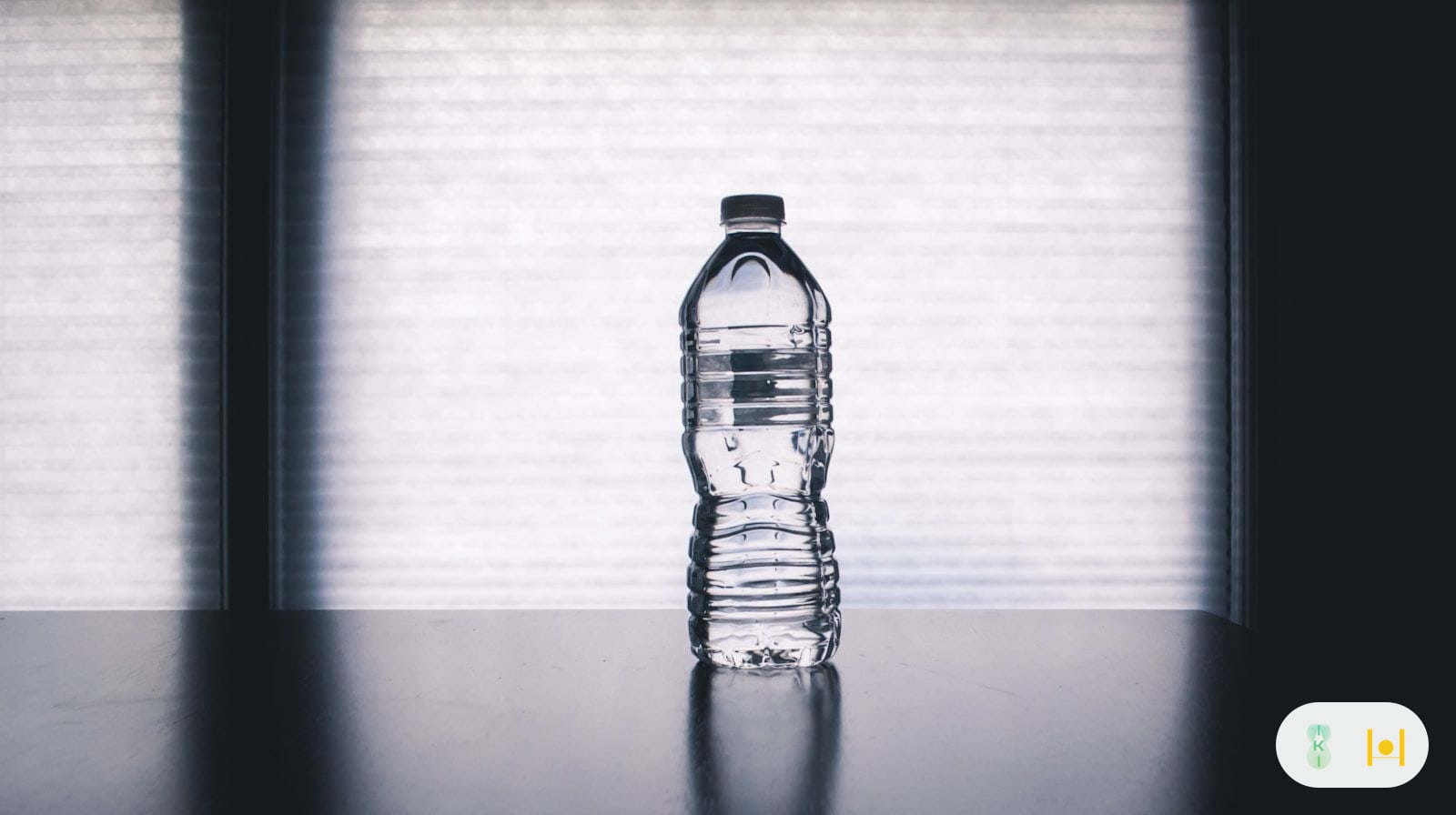
Water makes up roughly 60–70% of body weight and takes part in nearly every living process: carrying nutrients, regulating body temperature, supporting digestion, and keeping the mind alert. And yet "drinking water" — the thing that seems simplest of all — is exactly where many people quietly miss out on a good daily habit. Some people take only a few sips all day, only when truly thirsty; others gulp down a lot at once and then forget about it entirely; many are used to reaching for iced water or a cold milk tea without noticing how it affects the way they feel. This article shares how to build a proactive hydration habit, blending modern scientific understanding with an Eastern medicine view of balance in the body.
Why the body needs water steadily, every day
The body loses water continuously through breath, sweat, and waste, even while you sit still. Over an ordinary day, this loss adds up to a meaningful amount, and it happens quietly around the clock. That's why rehydrating needs to be steady, rather than something you "drink once and be done with."
When water levels dip, the first signs are often subtle and easily misread: sluggishness, trouble concentrating, dry mouth, a mild headache, or a craving for a snack when the body is really just asking for water. Many people mistake this for mid-morning hunger and reach for something sweet, when a glass of water might have been enough to settle that feeling.
Drinking enough water, steadily, supports three familiar things:
- Gentler digestion: water helps soften food and move it through the gut, contributing to a more comfortable stomach.
- A clearer mind: the brain is very sensitive to hydration; enough water helps you hold your natural focus through the day.
- Fresher skin and body: well-hydrated skin looks healthier, and that vague, unexplained tiredness eases too.
The important thing to remember: water is part of a healthy lifestyle, not a "dose" that delivers an instant result. Its value comes from consistency.
Signs your body is running low on water
The body has many ways of "reminding" you that it needs water — we just rarely notice them. A few gentle, easy-to-observe signals:
- Dry mouth, dry lips, a lingering hint of thirst — the most familiar sign, though it often shows up once the body is already a bit short on water.
- Sluggishness, trouble focusing mid-morning or mid-afternoon — especially in the mid-afternoon, when it's easy to mistake for "hunger" or "sleepiness."
- Dark, scant urine — the most visual cue, covered in more detail below.
- Sudden snack cravings — sometimes a craving for food is really a thirst signal misread as hunger.
- Dry skin, slightly cracked lips — especially in air-conditioned rooms or dry weather.
Instead of waiting until your throat feels parched, build the habit of sipping water steadily so your body stays in gentle balance.
How much water is enough
The number most often cited is 1.5–2 liters a day for an adult with normal activity levels — counting water from soup, fruit, and food. But actual needs vary from person to person:
- People who move a lot, exercise, or work outdoors need more.
- Hot weather and heavy sweating increase the amount you need to replace.
- Older adults sometimes feel less thirsty, so they need to remind themselves to drink proactively.
- Pregnant or breastfeeding women usually need more than the typical amount.
A rough way to picture this for reference (not a strict rule):
- Low-activity, office-based work: around 1.5–2 liters, spread through the day.
- Moderate activity, with a fair amount of movement: around 2–2.5 liters, with extra around active periods.
- Intense training or outdoor work in the heat: needs a significant top-up — sip before, during, and after activity, rather than gulping it down all at once.
These figures are only reference points, varying with body weight, climate, and activity level. Instead of fixating on an absolute number, use a simple signal your body already gives you: the color of your urine. Light yellow is a sign of good balance; dark yellow usually means it's time to drink more. It's a gentle way to self-check, with no complicated counting required.
Drinking enough for your needs matters more than drinking as much as possible. Spreading your water out across the day is far more comfortable than gulping it down all at once.
An Eastern medicine view: cold, heat, and hydration habits
In the treasury of folk experience and Eastern Traditional Medicine, the body is viewed through a balance between cold and heat. This isn't a medical diagnosis — it's a way of observing the body's tendency in order to care for it appropriately.
People in the past usually favored warm water, warm tea, and hot soup, especially in the morning and during cold weather, believing that warmth supports digestion and keeps the body feeling comfortable. Conversely, drinking a lot of iced water on an empty stomach or when the body is tired was seen as likely to leave the belly "cold," causing a feeling of heaviness.
Eastern medicine pictures the digestive system as a warm stove: it thrives on steady warmth to convert food and water into energy. When we constantly feed it iced water, cold food, and rich sugary food, that digestive "flame" tends to cool down, leading to a stagnant, heavy feeling that folk wisdom often calls "damp-phlegm." That's why many people, after downing a glass of ice to "cool off," soon find their stomach bloated and their body sluggish not long after.
Today, we can understand this in simple terms: warm water is gentler on the stomach, and a cup of warm water in the morning is a gentle way to start the day. Modern science offers a similar explanation — very cold water on an empty stomach can constrict blood vessels around the stomach and slow the natural pace of digestion. Folk wisdom and personal experience complement each other here, rather than replacing a doctor's advice.
Warm or cold water: choose by your constitution
There's no single right answer for everyone — and that's exactly the key point.
- If you often feel cold in the belly, have cold hands and feet, and prefer warm things: your constitution leans toward Cold. Warm water or room-temperature water usually feels more comfortable, especially early in the morning.
- If you often feel overheated inside, get thirsty easily, and prefer cool things: your constitution leans toward Heat. Cool water can feel refreshing, but it's still best to avoid drinking it too cold on an empty stomach.
- When your body is tired or you've just finished intense exercise: regardless of constitution, warm or room-temperature water is usually a gentler choice for the stomach than iced water.
- Someone prone to bloating or slow digestion after eating: usually feels more comfortable with warm water and a moderate amount, avoiding both a full stomach and a lot of iced water at the same time.
Because everyone is different, observing how your own body responds matters more than following a rigid rule. This is also the philosophy of IKI Academy: wellness should begin with truly understanding your own constitution.
A simple warming drink idea
If you'd like to swap your usual glass of iced water in the afternoon slump for something warmer, there are a few easy folk recipes you can make at home. This is simply a lifestyle suggestion to help you feel more comfortable, not a substitute for a doctor's care plan:
- Warm ginger-cinnamon water: place about 3 thinly sliced pieces of fresh ginger and a small cinnamon stick (2–3 cm) into a thermos, pour in hot water (around 70–80°C), cover and steep for 10–15 minutes. Sip slowly in the mid-morning or early afternoon — the warmth of ginger and cinnamon gives a gentle feeling of warmth and alertness, without reaching for a cold sugary drink.
- Warm ginger-honey water: steep 3–5 fresh ginger slices in about 200ml of warm water (40–50°C), then add a teaspoon of honey. Ginger is traditionally used to warm the body and settle the stomach after eating; honey should only be used in moderation.
- Mild warm tea or warm water with a few lime slices: a gentle option for those who prefer something lighter and easier to drink than plain water.
Note: if you have blood sugar concerns, stomach issues, or are under medical care, please ask a professional before making these drinks a regular habit. For most people, this is simply a way to make the habit of drinking warm water more pleasant and easier to keep up.
When to drink water during the day
Timing also makes a difference to how you feel all day:
- Right after waking up: a cup of warm water helps the body "restart" after a long night without any fluids. This is one of the most commonly shared habits in the proactive wellness community.
- About 20–30 minutes before a meal: a small amount of water helps you eat more slowly and moderately.
- Spread between meals: sip steadily in small amounts instead of waiting until you're very thirsty.
- Before and during exercise: replenish water little by little so the body doesn't fall behind as you sweat.
- Before bed: a modest amount is enough; drinking too much right before sleep can disrupt your rest with nighttime bathroom trips.
To help you picture it, here's a reference hydration rhythm for one day:
- Right upon waking: 1 cup of warm water (~250ml), sipped slowly.
- Before breakfast: a few small sips.
- Mid-morning (9–11am): sip steadily — a warm ginger-cinnamon drink if you like.
- Before lunch: 1 small cup about 20–30 minutes before eating.
- Early afternoon: sip steadily instead of reaching for iced water or milk tea to "perk up."
- Late afternoon/evening: keep sipping a moderate amount.
- Before bed: a small, sufficient amount, not gulped down.
You don't need to turn drinking water into a stressful task. Just tie it to familiar moments in your day, and the habit will form on its own. If you're building a healthy routine from the start of your day, pair this habit with the article Morning Habits of Healthy Living so your whole morning falls into rhythm together.
Hydration by season and weather
Water needs aren't fixed year-round. Adjusting gently by season helps you feel more comfortable:
- Hot, muggy weather: the body loses water quickly through sweat and needs more replenishment. Favor room-temperature or mildly cool water instead of very cold ice water, so you quench your thirst without "shocking" your stomach.
- Cold, dry weather: people tend to feel less thirsty and so drink less, even though dry air still draws out moisture through skin and breath. Warm water and mild warm tea are comfortable companions.
- Working in an air-conditioned room: the air is drier than you'd think. Keep a bottle by your desk and sip steadily — don't wait until you're thirsty.
- Active days, with lots of movement: proactively replenish water around active periods, in several small sips.
Common misconceptions about drinking water
"Only drink when you're thirsty." Thirst usually shows up once the body is already a little short on water. Drinking proactively and steadily is gentler than waiting until your throat feels parched.
"The more you drink, the healthier you are." The body has its limits. Drinking too much in a short time doesn't add extra benefit and can leave you feeling uncomfortable.
"Coffee and tea don't count as water." They actually do contribute to hydration, though plain water remains the best foundation for a daily habit. Just keep in mind that sugary milk tea or coffee also carries a fair amount of sugar.
"Iced water is always harmful." Not absolutely. A cool glass of water on a hot day is perfectly normal; what's worth avoiding is the habit of drinking a lot of iced water on an empty stomach or when the body is already run down.
"Soda and juice hydrate you just the same." Fruit juice and soda can carry a lot of sugar; relying on them instead of plain water regularly can mean taking in extra energy without realizing it. Let plain and warm water be your foundation, and treat juice as an occasional treat.
"Drink a lot of water in the evening to make up for a day of forgetting." Loading up on water right before bed tends to disrupt sleep with nighttime trips to the bathroom. Spreading it evenly through the day remains the gentlest approach.
A suggested 7-day practice
You don't need to change everything at once. Try this gentle rhythm over one week:
- Days 1–2: keep a cup of warm water by your bed, and drink it right when you wake up.
- Days 3–4: add the habit of a sip of water before each meal.
- Days 5–6: keep a water bottle on your desk, sip steadily through the day, and watch the color of your urine to self-adjust.
- Day 7: try swapping your usual afternoon glass of iced water for a cup of warm water or ginger-cinnamon water, and notice whether your afternoon feels less sluggish.
After a week, notice whether your mornings feel lighter and your mind more alert. Small, consistent changes tend to last far longer than dramatic "campaigns" that fizzle out. If it feels right, keep this rhythm going and let it become a natural part of your day.
In closing: proactive wellness starts with small things
Drinking water the right way isn't a complicated secret. It's the combination of three simple things: drink enough for your needs, favor warm water suited to your constitution, and drink steadily through the day's rhythm. When you listen to your body and adjust to your own constitution, even a small habit like drinking water becomes a foundation for a lasting, healthy lifestyle.
That's also the spirit of proactive wellness IKI pursues: not imposing one formula on everyone, but walking alongside you to truly understand your own body so you can choose what suits you best. If you'd like to build a whole healthy morning around this cup of warm water, see also Morning Habits of Healthy Living and How to Eat Breakfast for an Energized Day.