
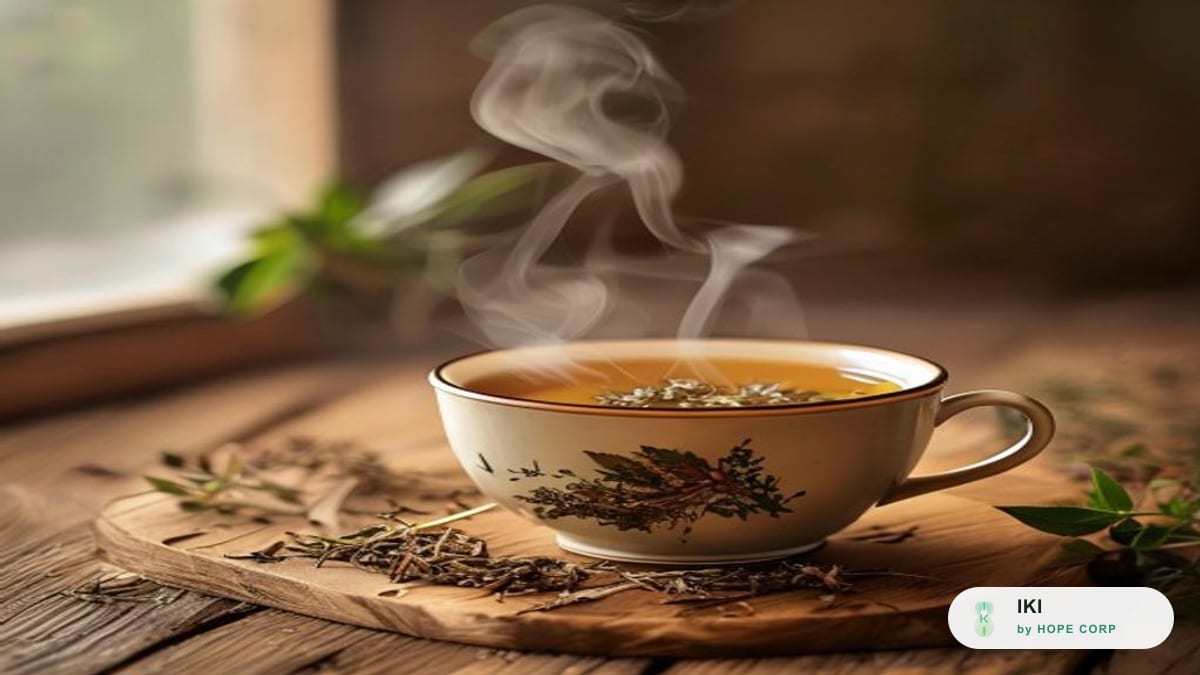
There's a small moment many people skip over: in the morning, just after waking, instead of reaching straight for your phone or a cup of coffee, you pour a cup of warm water and sip it slowly. Or in the evening, after a long day, you sit down beside a still-steaming cup of herbal tea, the warmth spreading into your hands as the sense of rush quietly softens. Those moments aren't expensive or elaborate, yet they are a very ordinary — and lasting — way of caring for yourself.
This article looks back with you at your own drinking habits: why warm drinks feel gentle on the body, what herbal tea is and which familiar kinds there are, how to choose and brew it well, when during the day makes sense to drink, along with a few common misconceptions. This is part of proactive wellness: small choices, repeated every day, that add up to a lighter way of living.
Why warm drinks feel gentle on the body
Our bodies work best within a stable range of temperature. After a long night lying still, or on cool days, a warm drink brings an immediate sense of comfort: the belly feels warmer, the body more at ease, and the mind gently awakened rather than startled.
Many people are used to drinking cold things constantly, especially in hot weather. There's nothing wrong with that, but if you pay attention, you'll notice a cup of warm water or warm tea often leaves the stomach more comfortable, particularly for those with a sensitive digestion or a belly that feels cold in the morning. The sense of warmth also has a psychological effect: it's tied to calm and slowness, making you naturally breathe more deeply and feel less tense.
One thing worth noting is that drinking warm makes you drink more slowly. When the water is still hot, you're forced to take small sips, and that slower rhythm is itself a good thing: the body has time to take it in, and you sense your true thirst more clearly, instead of gulping it down just to be done. This is why many people find a cup of warm water in the morning a gentle, alert way to start the day.
Warm drinks are also a very natural way to rehydrate. After a long night's sleep, the body is often in a state of mild water shortage. A cup of warm water right when you wake helps replace what was lost, supporting a sense of alertness and a smoother digestion for the breakfast to come.
What herbal tea is
Herbal tea is the general name for drinks steeped from the flowers, leaves, roots, seeds, or fruits of various herbs, rather than from ordinary tea leaves. In name, many people call it "tea," but in fact most herbal teas contain no tea leaves, so they have little or no caffeine. That's why they're often chosen for late afternoon or evening, when you want a gentle drink without worrying about being overly alert.
The appeal of herbal tea lies in its variety of flavor and feeling. Each herb carries its own character: chrysanthemum is soft and fragrant, ginger warm and mildly spicy, mint cool and fresh, lemongrass bright and aromatic, artichoke slightly bitter with a sweet finish. This richness lets you rotate several kinds through the week, choosing by mood, by weather, or by how your body feels each day.
In Vietnamese culture and Traditional Medicine, many familiar herbs have long been part of daily drinking, seen as a gentle way of caring for the body in harmony with nature. Today, herbal teas packaged in convenient tea bags make it easier to keep up this habit, whether you're at home, at work, or on the move.
It's worth being clear from the start to avoid misunderstanding: herbal tea is a drink, a part of a healthy lifestyle, not a solution for any specific health problem. Enjoy it the way you'd enjoy a cool glass of water or a good meal, and keep everything in moderation.
Familiar kinds of herbal tea
You don't need to know every herb. Being familiar with a few common, easy-to-find kinds that suit your taste is enough to build a comfortable drinking habit.
Chrysanthemum
Chrysanthemum tea has a pale golden color, a soft fragrance, and a clean taste. Many people choose a warm cup of chrysanthemum tea in the evening as a moment to settle after a long day. Its gentle flavor suits those who don't like strong tea, and you can add a slice of apple or a little diluted honey if you'd like it lightly sweet.
Ginger and lemongrass
Ginger and lemongrass are a familiar pair in the Vietnamese kitchen. A warm cup of ginger tea on a cool morning brings a comforting warmth to the belly, while lemongrass offers a bright, refreshing aroma. You can steep a few slices of fresh ginger with a bruised stalk of lemongrass in hot water, cover it for a few minutes, then drink. It's a rustic drink that many families still keep.
Mint
Mint tea gives a cool, fragrant, fresh feeling, fitting for sweltering days or after a rich, oily meal that leaves you feeling heavy. Just a few fresh mint leaves steeped in hot water make a fragrant, cooling cup — pleasant whether drunk warm or cooled.
Herbs from Traditional Medicine
Beyond the common kinds, many Vietnamese are also familiar with herbs from Traditional Medicine such as Solanum procumbens (cà gai leo), Gynostemma (giảo cổ lam), artichoke, Celastrus hindsii (xạ đen), and mimosa (cây xấu hổ). These are often combined in modern tea-bag blends, offering a cooling, easy-to-drink option for a busy lifestyle.
How to choose and brew herbal tea
A good cup of tea doesn't require complicated technique, but a few small notes will help you keep the flavor and the comfortable feeling.
When choosing, favor a clear origin, sealed packaging, and a long shelf life. Tea bags are convenient for busy people because they're pre-measured and easy to carry; loose tea gives you freedom to adjust the strength and to sense the herbal aroma more clearly. For beginners, tea bags are usually the simplest way in.
When brewing, temperature and steeping time are the two key factors. Water that's furiously boiling can make delicate herbs like chrysanthemum turn bitter and lose their aroma; water at around 90 to 95°C is usually about right. A steeping time of 3 to 5 minutes is enough for most tea bags; steeping too long tends to make the tea bitter and astringent. For root herbs like ginger, you can boil or steep a little longer to draw out the aroma.
A principle worth remembering: drink it mild and low in sugar. The naturally clean taste of herbs is the appeal of this kind of drink. If you're used to sweetness, you can add a little diluted honey or a slice of fruit, but reduce it gradually to appreciate the original flavor. Tea is most pleasant while still warm, so don't let it cool too long and then reheat it over and over.
If you like rotating flavors through the week so your routine doesn't get dull, keeping a few different herbal teas at home is a nice idea. Alongside traditional herbal blends, another option for variety is Thanh Huong tea (Trà Thanh Hương), also in convenient tea bags for use all day.
When to drink warm drinks during the day
Timing has a fair bit of influence on how a drink feels. Below are a few time-of-day suggestions that many people find comfortable — you can try them and adjust to your own rhythm.
In the morning, right when you wake, a cup of warm water is a gentle way to start. It replaces the water the body lost overnight and creates a sense of alertness before breakfast. If you like tea, save it for after breakfast, since strong tea on a completely empty stomach can cause a gnawing feeling for some people.
About 30 minutes after a meal, a warm, mild cup of herbal tea brings a light, comfortable feeling in the belly, especially after a rich, oily meal. This is a familiar habit for many after lunch or dinner.
Late afternoon and evening are ideal times for caffeine-free herbal tea. A cup of chrysanthemum or mild herbal tea becomes a ritual signaling to the body that the day is drawing to a close, helping you slow down and relax. Conversely, limit strong green tea, black tea, or coffee in the evening, since caffeine can make it harder to fall asleep.
One note that runs throughout: whatever you drink, keep plain water as the foundation for the whole day. Herbal tea is a pleasant addition, not a replacement for plain water. You can read more in Drink Water the Right Way Every Day, by Constitution to balance how much and how you drink to suit your body.
Warm drinks by constitution
There's no single drinking habit that's right for everyone. Observing your body and adjusting is exactly the spirit of proactive wellness.
People who often feel a cold belly or have a sensitive digestion usually feel comfortable with warm, warming drinks like ginger tea, and should limit very cold things right after waking. Sipping slowly, in several small sips, helps the belly feel gentler.
People who run hot, get thirsty easily, or have a dry mouth can favor cooling herbal teas, drunk at a mildly warm temperature rather than piping hot, combined with drinking enough plain water and eating plenty of greens and fruit. For this group, a mild cup of tea in the evening alongside plenty of fruit and vegetables during the day usually feels comfortable.
Busy people doing mental work all day can use tea-bag herbal teas as a short break: stop for a few minutes, steep a cup, breathe in the aroma, and slow your breathing. This little pause both rehydrates and helps the mind relax.
Drinking by constitution isn't a rigid rule but a way of listening and adjusting. If you have an underlying condition, are pregnant, breastfeeding, or under a doctor's care, talk to a health professional before adding a new herb to your regular routine, so you get advice suited to you.
Common misconceptions about herbal tea
There are quite a few easily confused beliefs around herbal tea. Let's untangle a few common knots.
"The stronger the herbal tea, the better." Not really. Tea that's too strong or steeped too long often turns bitter, hard to drink, and can be uncomfortable for some people. A clean, mild taste is the pleasant point of herbal tea, and a light cup drunk regularly is usually more sustainable than a strong cup now and then.
"Herbal tea can replace plain water." This is a fairly common misconception. Although herbal tea is mostly water, drinking enough plain water every day is still the foundation. See tea as a pleasant addition, not a full substitute for water.
"Herbal tea is a solution for health problems." Herbal tea is a drink that belongs to a healthy lifestyle, not a medical solution. If you have lasting symptoms or health concerns, the right thing to do is see a doctor, rather than relying on any drink.
"Since it's herbal, you can drink as much as you want." Moderation is still key. Even gentle things should be drunk in reasonable amounts, rotating between kinds and paying attention to how the body responds. With some herbs, people with particular constitutions or those under a doctor's care should be cautious and consult a professional.
Understanding herbal tea correctly helps you enjoy it comfortably and with peace of mind, instead of holding mistaken expectations and being disappointed.
In closing
A daily warm-drink habit and a mild cup of herbal tea are very small things, but it's precisely their smallness and ease that make them last. You don't need to spend much money or learn complicated technique: a cup of warm water when you wake, a clean, mild cup of tea after a meal or in the evening, sipped slowly while still warm, kept in moderation and in tune with your body.
Start with one small change tomorrow. It could be pouring a cup of warm water instead of reaching straight for your phone in the morning, or swapping an afternoon soft drink for an unsweetened cup of herbal tea. These small, steady steps, together with balanced eating and enough sleep, are how you care for yourself every day. If you'd like to place this habit within a more complete evening, you can read more in Quality Sleep: Habits for Good Nights and Alert Days, so a warm cup of tea becomes the opening to a comfortable night's sleep.