
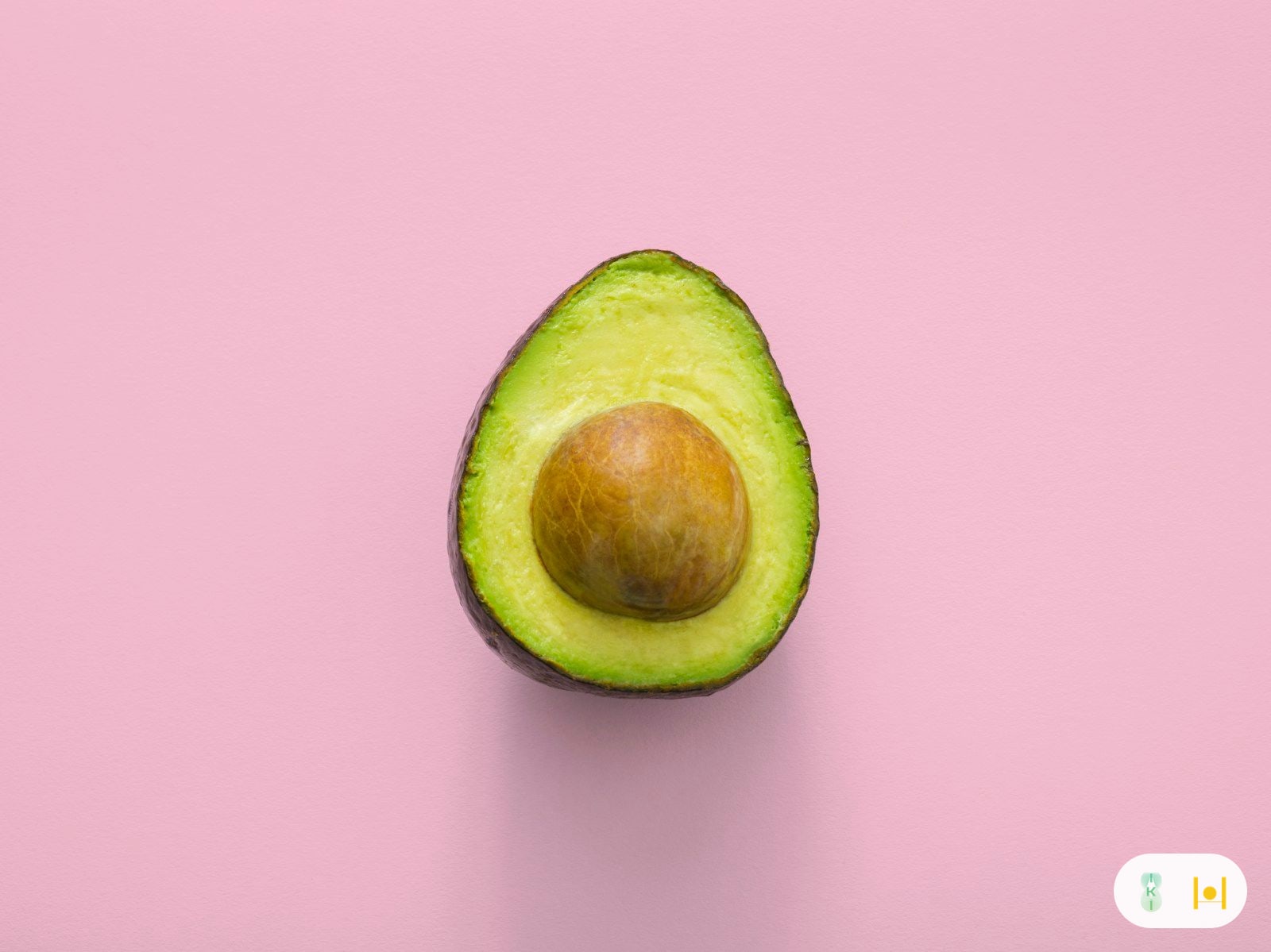
There's a fruit everyone knows is "good for you" but few really know how to eat sensibly: the avocado. Some people eat half a fruit every morning; others hold back because they've heard avocado is "rich and fattening." The truth sits in the middle, and it's far more interesting.
Avocado is one of the few fruits where most of the energy comes from fat rather than sugar, unlike most other fruits. That very feature makes avocado both nutritionally valuable and something to eat in moderation. This article walks through what's really inside an avocado, how to pick a good ripe one, how much is enough, how to pair it in a dish, and clears up a few familiar misconceptions.
The nutritional value of avocado
A medium avocado (about 150–200g of flesh) offers a rather special nutritional profile compared with ordinary fruits.
Healthy fat is the standout. Most of the fat in avocado is monounsaturated fat, mainly oleic acid — the same kind of fat abundant in olive oil. This is a group of fats that dietary guidelines view positively when used in place of saturated fat.
Plenty of fiber. A medium avocado can provide around 9–13g of fiber, both soluble and insoluble. Fiber contributes to a feeling of fullness and supports normal digestive function.
More potassium than a banana. Gram for gram, avocado usually contains more potassium than a banana. Potassium is a mineral involved in electrolyte balance and the workings of muscles and nerves.
Many vitamins and plant compounds. Avocado has vitamin K, vitamin E, several B vitamins (especially folate), a moderate amount of vitamin C, and carotenoid antioxidants such as lutein and zeaxanthin. Because avocado contains fat, the body also absorbs fat-soluble vitamins better when you eat avocado together with vegetables.
One notable point: avocado contains almost no sugar and very little starch. That's why avocado tastes rich and buttery rather than sweet like mango or banana.
In short, the value of avocado doesn't lie in any single "super nutrient," but in the balanced combination of good fat, fiber, and minerals in a natural, minimally processed fruit.
To picture it, here's a summary of the notable components in about half a medium avocado. The figures are only estimates and vary with the variety and ripeness:
| Component | Highlight | |---|---| | Fat | Mostly monounsaturated fat (oleic acid) | | Fiber | About 5–7g for half a fruit, both soluble and insoluble | | Potassium | High; gram for gram usually more than a banana | | Vitamins | K, E, folate, some vitamin C and B group | | Antioxidants | Carotenoids such as lutein, zeaxanthin | | Sugar | Almost none, very little starch |
It's precisely this profile — "leaning toward fat and fiber, almost no sugar" — that makes avocado both valuable and something to eat in moderation.
Common avocado varieties in Vietnam
Not every avocado is the same. Vietnam, especially the Central Highlands, has many varieties with different textures and richness. Knowing a little about the varieties helps you pick the one you like and avoid a bland fruit.
- Waxy avocado (bơ sáp). The most beloved, thanks to its firm, buttery flesh, low fiber, and modest seed. When ripe, the flesh is deep yellow and mashes smoothly, good for eating plain or in a smoothie. This is the one most people think of first when they say "good avocado."
- Watery avocado (bơ nước / bơ mỡ). Soft, watery flesh, blander and less rich than the waxy type, usually cheaper. Good for smoothies or a quick snack, but not as smooth for mashing onto bread as the waxy kind.
- Avocado 034. A distinctive long-fruited variety with a small seed and thick, buttery, rich flesh, much sought after in season. Because the flesh is thick, the edible proportion is high.
- Booth avocado (American avocado). Round fruit with thick, bumpy skin, ripening later, so it usually appears at the end of the season. The flesh is yellow and moderately buttery, and it keeps longer thanks to the thick skin.
Whichever variety you choose, the general principle stays the same: pick a fruit that's just ripe, eat a moderate portion, and count it into your total meal. The variety only decides how delicious it is; how you eat it decides whether the avocado is "sensible" for you.
The benefits of eating avocado sensibly
When brought into a balanced diet and eaten in a moderate portion, avocado contributes to a meal in a few practical ways.
- A longer-lasting feeling of fullness. The combination of fat and fiber means a meal with avocado tends to leave you feeling full and satisfied, curbing unplanned snacking between meals.
- A fat source to swap in. Instead of adding butter, mayonnaise, or rich cheese, you can use mashed avocado on bread. It's a natural way to swap some saturated fat for monounsaturated fat.
- Making vegetable dishes more appealing and complete. The fat in avocado helps the body absorb fat-soluble vitamins and carotenoids from the vegetables you eat with it, while also making a green salad tastier, so you find it easier to eat enough vegetables.
- Contributing to vegetarian- and plant-friendly meals. For those leaning toward plant-based eating, avocado is a dense source of fat and energy, handy for balancing a portion.
To be clear: these are contributions to nutrition and the eating experience, not a promise of any specific health outcome. Avocado is one part of the bigger picture, and that picture includes food variety, movement, and sleep.
How to pick a good, ripe avocado
A good avocado depends greatly on ripeness. Here are a few simple tips for choosing and storing.
Look at the skin color. For bumpy-skinned varieties, a ripe avocado usually turns from green to a darker, brownish-purple shade. However, color varies by variety, so don't rely on color alone.
Press gently to feel it. Use your whole palm (not your fingertips, to avoid bruising) and press lightly. A just-ripe avocado is slightly soft and springy, giving under pressure and bouncing back. If it's too soft or dents in completely, it's overripe.
Check the stem. Gently pry off the little stem at the top: if it's fresh green-yellow underneath, the avocado is nicely ripe; if it's dark brown, the fruit is old or starting to spoil inside.
Choose according to your plan. If you plan to eat it today, choose one that's just ripe. If you'll eat it in a few days, choose one that's still a little firm so it can ripen at home.
On storage:
- Keep unripe avocados at room temperature, out of direct sun. To ripen them faster, put them in a paper bag with a banana or an apple.
- Once the avocado is ripe, you can keep it in the fridge for a few more days.
- A cut avocado browns easily from exposure to air. Squeezing a little lime juice over the surface, wrapping it tightly, and refrigerating will slow the browning. The slightly browned flesh on the surface is still fine to eat if there's no off smell — just scrape off the top layer.
- When avocados are plentiful and cheap in season, you can freeze some to keep. Peel ripe avocados, cut them into pieces or mash them, add a squeeze of lime, then put them in a sealed container in the freezer. Thawed avocado works best for smoothies or mashed avocado; the texture is softer, so it won't be as neatly crisp as fresh.
How much to eat and when
This is the core question, because whether avocado is good for you largely comes down to the portion.
How much to eat. A sensible reference for an adult is about one third to one half of a medium avocado a day. Because avocado is fairly energy-dense, half a fruit already adds a meaningful amount of calories and fat to a meal. If you have high energy needs (lots of activity), you can eat more; conversely, if you're watching your portions and keeping your shape, stick to one third to half a fruit and cut back on other fat sources during the day.
The most important principle: count avocado into your total meal, don't just add it on top. If you add half an avocado to a meal that already has enough fat, the total energy goes over. But if the avocado replaces some other fat (butter, rich sauce, frying oil), it's a balanced trade-off.
When to eat. There's no required "golden" time. A few suggestions to fit your daily rhythm:
- Breakfast: mashed avocado on whole-grain bread makes a filling breakfast, convenient for busy people.
- Mid-morning snack: a few slices of avocado with some nuts make a light snack that curbs hunger pangs before the main meal.
- Main meal: add avocado to a salad or rice to boost richness and balance the fat.
Those new to putting avocado on the menu should start with a small portion to let the digestive system adjust, then gradually increase to what suits them.
How to pair avocado in your meals
Avocado is easygoing because its rich flavor is neutral, suiting both savory and sweet dishes. A few familiar, balanced pairings:
- Avocado and whole-grain bread. Mash the avocado, sprinkle a little salt, pepper, and a few drops of lime, and spread it on whole-grain bread. Add an egg or some sprouts and you have a nourishing breakfast.
- Avocado in a green salad. Slice avocado and toss it with lettuce, tomato, and cucumber. The fat in avocado makes the salad tastier and helps you absorb nutrients from the vegetables better, while also letting you cut back on rich dressing.
- Mashed avocado with nuts and grains. Avocado with oats, pumpkin seeds, and sunflower seeds makes a breakfast bowl or snack rich in fiber and healthy fats.
- A lightly sweetened avocado smoothie. Blend avocado with milk (dairy or plant-based) and a little banana for natural sweetness, going easy on added sugar and condensed milk. This is a favorite Vietnamese way to enjoy it — just moderate the sugar and the drink becomes balanced.
- Avocado in place of some fat in a dish. Use mashed avocado to replace some of the mayonnaise in a wrap or sandwich.
A little flavor tip: avocado pairs very well with sour (lime, vinegar) and lightly salty notes. A touch of acid not only lifts the flavor but also helps keep the surface of the avocado from browning.
Three quick ways, no fancy recipe needed
If you like concrete instructions to get started right away, here are three simple dishes, each just a few minutes:
- Mashed avocado on toast (avocado toast style). Mash about one third to half a ripe avocado, add a pinch of salt, a little pepper, and a few drops of lime. Spread it on one or two slices of toasted whole-grain bread, and top with a boiled egg or a few slices of tomato. This is a filling breakfast that takes about five minutes.
- A lightly sweetened avocado smoothie. Blend half an avocado with 200ml of unsweetened dairy or plant-based milk and a quarter banana for natural sweetness. No condensed milk or sugar; add a few ice cubes if you want it cold. This suits a snack — quick and balanced.
- A bowl of mashed avocado with nuts. Mash avocado with two spoons of oats, some pumpkin or sunflower seeds, and a few slices of banana. A breakfast bowl or afternoon snack rich in fiber and healthy fat, no cooking needed.
All three rest on the same principle: keep the avocado portion moderate, go easy on added sugar, and pair the avocado with good carbohydrates, protein, or fiber for a more balanced meal.
Misconceptions about avocado
There are quite a few myths around avocado. Let's clear up the most common ones.
"Avocado makes you gain weight." This is the most persistent misconception. No single food causes weight gain on its own; what matters is your total energy intake versus what you burn across the whole day. Avocado is energy-dense, so eating too much without adjusting the rest of the meal can leave you with surplus calories. But eaten in a sensible portion, and in place of some other fat, avocado fits neatly within a balanced menu and supports keeping your shape.
"Avocado is high in fat, so it's a bad food." The fat in avocado is mostly monounsaturated fat, a group that dietary guidelines view positively when used in place of saturated fat. "High in fat" doesn't mean "bad"; what matters is the type of fat and the portion.
"The more avocado you eat, the healthier." More isn't better. Avocado is energy-dense, so going beyond your needs still leaves you with surplus calories. Food variety always matters more than piling on a single fruit.
"Avocado is only for sweet smoothies." In many places, avocado mainly appears in savory dishes: salads, bread, wraps. Its neutral, rich flavor makes it far more versatile than the "just for smoothies" image suggests.
"Avocado oil and the avocado fruit are the same." Avocado oil is an extracted, processed, energy-concentrated product, different from eating the whole fruit, which still keeps its fiber and its filling quality. Eating the whole fruit is usually the choice closer to nature.
Who should take note
For most healthy adults, avocado is an easy fruit to work into meals. That said, there are a few cases where it's worth considering the portion and how you use it:
- Those strictly controlling energy intake: should count avocado into the total calories for the day and keep it to one third to half a fruit.
- Those with conditions requiring a specific diet (for example, related to the kidneys, to controlling potassium, or taking prescription medication that may interact with food): should consult a doctor or dietitian about a suitable portion.
- Those new to avocado or with a sensitive digestive system: start with a small amount to let the body get used to the fat and fiber.
These notes aren't meant to make you wary of avocado, but to help you fit it comfortably to your own circumstances.
In closing
Avocado is a lovely example of the eating philosophy the IKI community pursues: there are no miracle foods and no bad foods, only sensible or unsensible ways of eating. Avocado is rich in healthy fats, fiber, and minerals; it's also fairly energy-dense, so the portion deserves attention. Eating about one third to half a fruit a day, counting it into your total meal, using it in place of some other fat, and combining it within a varied menu — that's how to make the most of avocado sustainably.
If you'd like to build a more balanced way of eating step by step, you can also read the Roadmap for beginners (6 stages) and how to eat by season and constitution to choose the foods that suit you.
Proactive wellness begins with small choices each day. One avocado eaten the right way is just a step, but many small, sensible steps add up to a healthy way of living.