
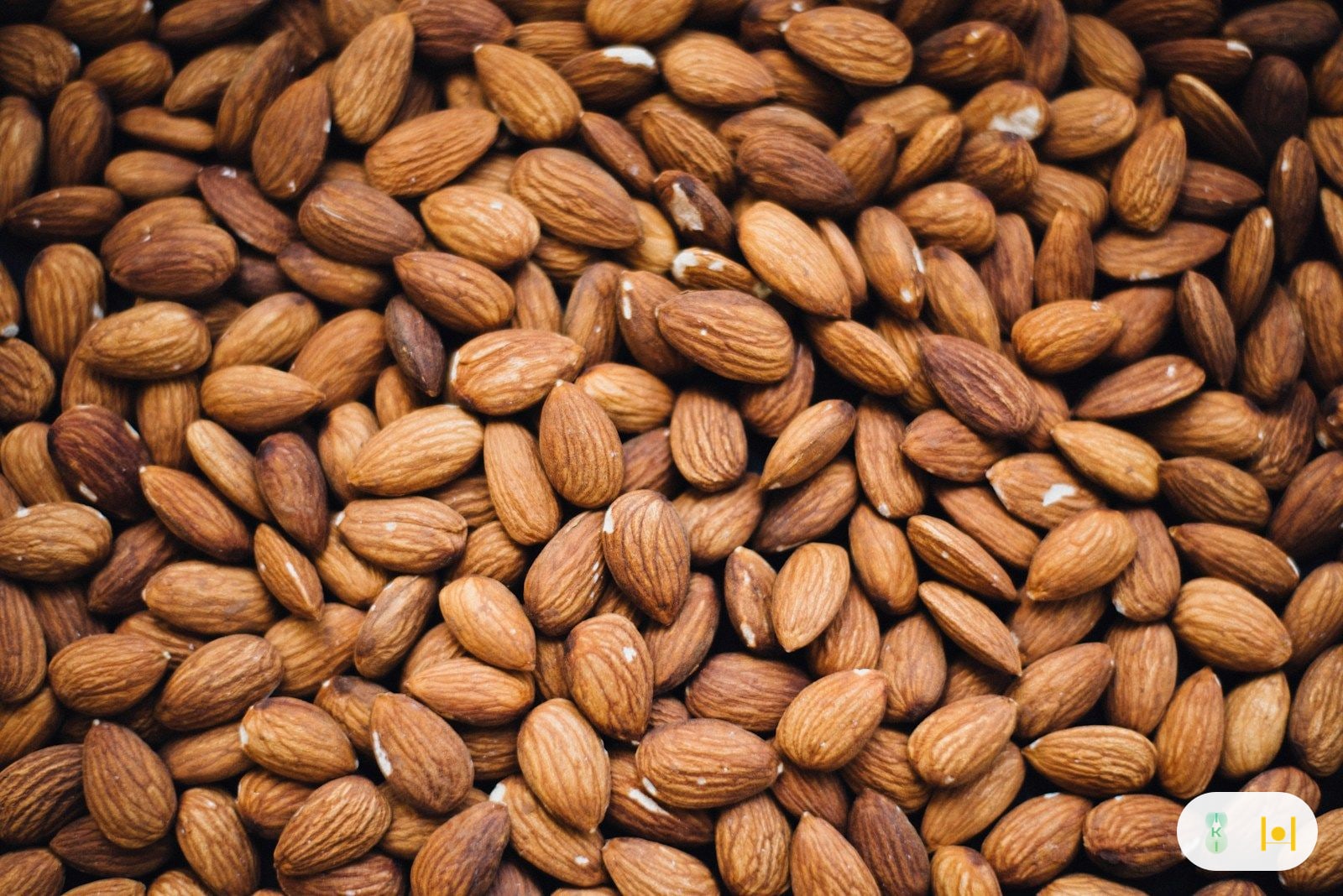
Some foods seem small but "pack in" a lot of goodness for the body. Nuts and seeds are a prime example. Just a small handful of almonds, walnuts, or pumpkin seeds tossed in your bag on the way to work is enough to give you a tidy, filling, and far more nutrient-dense snack than a bag of chips or a slice of cake.
But around eating nuts there are also plenty of very real questions: how much is enough, does eating a lot make you gain weight, does it make you "heaty," which type suits you, and how do you store them so they don't spoil. This article from the IKI Health Coach Team walks through the most popular nuts and seeds in a practical, down-to-earth way, so adding nuts to your daily meals feels easy rather than complicated.
Why nuts and seeds are "small superfoods"
Calling nuts "small superfoods" isn't an exaggeration. In a very modest amount, nuts concentrate several groups of nutrients that many people's modern diets lack.
First is healthy fat. Most of the energy in nuts comes from unsaturated fat, including the plant omega-3 group found in walnuts, flax seeds, and chia seeds. This is the type of fat that nutrition guidelines rate more highly than the saturated and trans fats commonly found in fried food and processed snacks.
Second is plant protein and fiber. Nuts are a compact protein source for vegetarians or anyone wanting to diversify their protein sources. The fiber in nuts contributes to a feeling of fullness and supports more regular digestion.
Third is vitamins and minerals. Many nuts are rich in vitamin E, magnesium, zinc, copper, manganese, phosphorus, and some plant-based iron. Vitamin E is an antioxidant, while magnesium is involved in a great many bodily processes, from muscle function to energy metabolism.
Finally, nuts also contain beneficial plant compounds such as polyphenols and phytosterols. These compounds contribute to a balanced diet in the spirit of proactive wellness.
What's valuable is that all of this comes packed into one natural, minimally processed food that's easy to carry and easy to combine with other things. That's why nuts deserve a permanent spot in the family kitchen.
A look at popular nuts and seeds
Each type of nut has its own "strength." You don't need to eat every single one — just pick a few that suit your taste and rotate between them for a naturally more diverse set of nutrients.
- Almonds: Rich in vitamin E, magnesium, and fiber, with a decent amount of protein. Mildly nutty and easy to eat, good as a snack or sprinkled over yogurt or cereal.
- Walnuts: Stand out for plant omega-3 (ALA). Their "brain-shaped" look is often mentioned playfully, and this is a nut frequently suggested for a diet focused on healthy fats. Slightly astringent, so choose ones that still smell fresh with oil.
- Cashews: Soft, buttery, rich in minerals like copper, magnesium, zinc, and plant-based iron. Because they're easy to eat, it's also easy to overdo the portion, so keep an eye on how much you take.
- Pumpkin seeds: High in zinc, magnesium, and plant-based iron, and richer in protein than many other nuts. Crunchy, good sprinkled over salad or as a snack.
- Sunflower seeds: Affordable and easy to find, rich in vitamin E and healthy fat. Choose the shelled, dry-roasted, low-salt kind rather than heavily salted versions.
- Chia seeds: Very rich in fiber and plant omega-3. They swell into a gel when they meet water, good mixed into water, plant milk, or yogurt. Remember to drink enough water alongside them.
- Flax seeds: A good source of plant omega-3 and fiber. Use the ground form so the body can absorb the nutrients more easily, since whole seeds often pass through the digestive tract without being fully utilized.
- Pistachios: Contain protein, fiber, potassium, and antioxidants. Shelling them yourself also naturally slows down your eating, helping you control portions better.
- Macadamias: Rich and buttery, high in monounsaturated fat. High in energy, so just a few nuts are enough.
The list could go on with pine nuts, hazelnuts, hemp seeds, and more. The general idea is: each type has its own strength, and rotating between them naturally gives you more variety than sticking loyally to just one.
To help you remember, here's a summary table of the "strengths" of popular nut and seed types. You can use it to put together a balanced mix jar, rather than choosing at random:
| Nut/seed | Standout strength | Best used for | |---|---|---| | Almonds | Vitamin E, magnesium, fiber, protein | Snacking, sprinkled on yogurt/cereal | | Walnuts | Plant omega-3 (ALA) | Snacks, salads, oatmeal | | Cashews | Copper, magnesium, zinc, easy-to-eat richness | Snacking (watch the portion), stir-fries | | Pumpkin seeds | Zinc, magnesium, plant iron, high protein | Sprinkled on salad, crunchy snack, mixed into rice | | Sunflower seeds | Vitamin E, affordable and available | Snacking, sprinkled on mixed dishes | | Chia seeds | Fiber, omega-3, forms a gel in water | Mixed into water, plant milk, yogurt | | Flax seeds (ground) | Omega-3, fiber | Sprinkled on porridge, mixed into batter, smoothies | | Pistachios | Protein, potassium, antioxidants | Snacking, shell yourself to slow down eating | | Macadamias | Monounsaturated fat, rich and buttery | A few nuts is enough, a premium snack |
This table is only a rough reference; no single type is "all-powerful," and none is mandatory. Just pick a few that fit your budget and taste, then rotate between them and your meals are already varied enough.
A small tip: mix a jar of "trail mix" with 3-4 of your favorite nuts. Each morning, grab a handful into a box to take with you — convenient and varied at once.
Benefits of eating nuts in moderation
When included in a balanced diet and eaten in moderate amounts, nuts are often mentioned for several benefits.
- A fuller feeling, a healthier snack. The combination of healthy fat, protein, and fiber helps a nut-based snack "hold the stomach" much better than sweets, which in turn makes it easier to keep your main meals moderate.
- Supports a heart-healthy diet pattern. Many nutrition guidelines encourage swapping some saturated fat for the healthy fat found in nuts and plant oils, as part of a heart-friendly way of eating.
- Contributes to regular digestion. The fiber in nuts supports bowel movement, especially when you drink enough water during the day.
- Fills in commonly lacking micronutrients. Magnesium, zinc, vitamin E, iron, and plant protein from nuts are a compact way to round out your nutrient profile, especially for vegetarians or people who eat little meat.
- Steady energy for a long day. A handful of nuts before a long meeting or a trip helps you avoid an energy dip without reaching for something sugary that fills you up fast and leaves you hungry again just as quickly.
To be direct: these benefits come from your overall eating habits, not from any single miracle handful of nuts. Nuts are a good piece in the larger picture that includes green vegetables, quality protein, whole grains, movement, and enough rest.
How much and when to eat
This is the most commonly asked question, and the answer is simpler than you might think.
On quantity: a small handful of about 20-30g a day is generally considered reasonable for a healthy adult. To picture it more concretely:
| Nut/seed | One serving of ~28-30g | |---|---| | Almonds | about 20-25 nuts | | Walnuts | about 5-7 halves (shelled) | | Cashews | about 16-18 nuts | | Pumpkin seeds | about 2 tablespoons | | Chia seeds | about 2 tablespoons |
Nuts are energy-dense, so "more" doesn't mean "better." The easiest way to avoid overeating is to portion out a small bowl in advance, then put the bag away, instead of working while grabbing directly from a large bag without noticing how much you've eaten.
On timing: there's no required golden hour. You can:
- Sprinkle them over breakfast (oatmeal, yogurt, cereal) to make the first meal of the day more filling.
- Eat a handful as a mid-morning or afternoon snack, times when cravings tend to hit.
- Add them to salad or mixed rice for extra crunch and nutrients.
Eating a small handful before you get too hungry is also a trick that helps keep your next main meal more moderate. What matters most is choosing a time that fits your own rhythm and keeping the portion in check.
How to choose, eat, and store nuts
Choosing and storing nuts properly determines much of whether you get good flavor and nutrition, or end up eating nuts that have already gone downhill in quality.
When buying:
- Prioritize whole nuts, dry-roasted, unsalted or lightly salted. Versions heavily coated in salt, sugar, oil, or cheese powder add unnecessary extra energy and sodium.
- Choose sellers with good stock turnover, sealed packaging, and a clear expiry date. Nuts kept too long or exposed to air easily turn rancid, developing a sharp smell and bitter taste.
- Buy just enough for a few weeks' use rather than stockpiling too much at once.
On how to eat them:
- Chew thoroughly and eat slowly to enjoy the flavor and feel fuller.
- For flax seeds, use the ground form for better absorption. For chia seeds, remember to drink enough water alongside them.
- To make them easier to digest and reduce some of the astringency of certain types, you can soak nuts for a few hours and drain before eating or using them in a dish.
On storage:
- Keep nuts in a sealed jar, in a cool, dry place, away from sunlight. The fat in nuts is sensitive to heat, light, and air.
- For oily nuts like walnuts, macadamias, and ground flax seed, storing them in the fridge or freezer keeps them fresh longer.
- Give them a sniff before eating if the jar's been open a while: a sharp, sour, or oddly bitter smell means it's time to toss them.
A little care at the storage stage keeps your nut jar tasty and ready to use, instead of reluctantly eating a batch that's already declined in quality.
Roasting and making nut milk and butter at home
If you want more control over flavor and saltiness, you can absolutely prep nuts yourself at home. It's not difficult, and it lets you control how much salt, sugar, and oil gets added.
Dry-roasting nuts at home. Put the nuts in a dry pan or on a baking tray, keep the heat low to medium, and stir or shake regularly until they smell fragrant and turn slightly golden. The key is to roast on low heat without looking away, since nuts can burn in the final seconds, and burnt nuts turn bitter while losing their healthy fat. If you like a stronger flavor, add just a pinch of salt at the end, much less than store-bought salted versions. Let them cool completely before sealing in a jar, to avoid trapped moisture making them go soft.
Making simple nut milk. Soak almonds or cashews for a few hours until soft, blend with filtered water at roughly a one-to-three-or-four ratio of nuts to water, then strain through a cloth bag if you want it smooth. You can add a little banana or dates for natural sweetness instead of sugar. Homemade nut milk should be used within one to two days and kept in the fridge.
Making nut butter. Lightly roast almonds or peanuts, then blend for a while in a fairly powerful machine — the nuts will release their own oil and turn into a smooth butter. No need to add oil; if you like, season with just a pinch of salt. Homemade nut butter spread on whole-grain bread, or dipped with banana or apple, makes a snack that's both tasty and low in additives.
Making it yourself isn't just cheaper — it also lets you eat "cleaner" nuts in the truest sense: knowing exactly what's in the jar.
Ideas for fitting nuts into your week
Many people buy nuts and then leave them forgotten in the cupboard because they don't know when to eat them. The surest way to keep nuts from being "tucked away" is to attach them to meals you already eat every day. Here are a few rotating ideas, one style a day so it doesn't get repetitive:
- Breakfast: sprinkle a spoonful of sliced almonds or pumpkin seeds over a bowl of oatmeal, a cup of plain yogurt, or a plate of fruit. Chia seeds soaked in plant milk from the night before also make a light, easy morning option.
- Mid-morning snack: a small handful of mixed nuts kept ready in a box, eaten with a banana or apple when you feel a bit hungry, before hunger pulls you toward sweets.
- Lunch: sprinkle pumpkin seeds or sunflower seeds over a salad or mixed rice for extra crunch and healthy fat.
- Light dinner: a few walnuts with a cup of yogurt is a pleasant way to end the day, good for nights you don't want to eat heavy.
- When cooking: cashews in a stir-fried chicken dish, ground flax seed mixed into batter, sesame and pumpkin seeds sprinkled over a vegetable dish are all ways to "hide" nuts naturally into a main meal.
You don't need to do all of this in one day. Just pick one or two fixed times, like an afternoon snack, and keep at it until it becomes routine. Once eating nuts becomes an automatic habit, you'll find it much lighter than having to "remind yourself to eat nuts" every day. If you're building a balanced breakfast, the article How to Eat Breakfast for a Day Full of Energy has more ideas for fitting nuts in the right place.
Common misconceptions about nuts
There are a few popular beliefs that make many people hesitant to eat nuts. Let's take a clearer look.
"Eating nuts makes you fat." Eating nuts in moderation doesn't itself make you gain weight. It's true that nuts are energy-dense, so the issue lies in quantity and how you eat them: grabbing handfuls all day long, choosing salted and sugared versions, or piling them on top of an already generous meal. Keep a small handful a day and choose whole nuts, and nuts become a balanced extra food, not the "culprit."
"Eating nuts causes heat and breakouts." The feeling of heat or a dry mouth is usually linked to eating too much at once, eating oily salted roasted nuts, or nuts that have already gone rancid. Eating a moderate amount, choosing dry-roasted nuts, and drinking enough water usually make this feeling less common.
"The more expensive the nut, the more nutritious it is." A higher price is usually related to rarity, branding, or processing, not necessarily nutritional value. Affordable sunflower seeds and pumpkin seeds are still very rich in nutrients. What's more worth paying attention to is freshness and how they're stored.
"Eating one type of nut is enough." Each type is strong in a different group of nutrients. Rotating between a few types naturally gives you more variety than sticking to just one.
"Salt or honey coating for extra flavor is harmless." This coating is where a lot of extra sodium and sugar quietly gets added. If you like a stronger flavor, roast lightly at home and season very little — you'll have far more control.
Conclusion
Nuts and seeds are a beautiful proof of "small but mighty": a tidy handful carries healthy fat, plant protein, fiber, vitamins, and minerals. The secret isn't eating a huge amount or chasing the most expensive type, but moderation, variety, and proper storage.
You can start very simply: pick 2-3 types that suit your taste, mix a jar in advance, and use a small handful each day as a snack or sprinkled over a main meal. Think of nuts as one piece of a proactive wellness lifestyle, alongside green vegetables, enough water, movement, and reasonable rest.
Finally, remember this is general nutrition information for reference. If you have allergies, are pregnant, have an underlying condition, or follow a special diet, talk with a doctor or nutrition specialist for advice suited to you.