
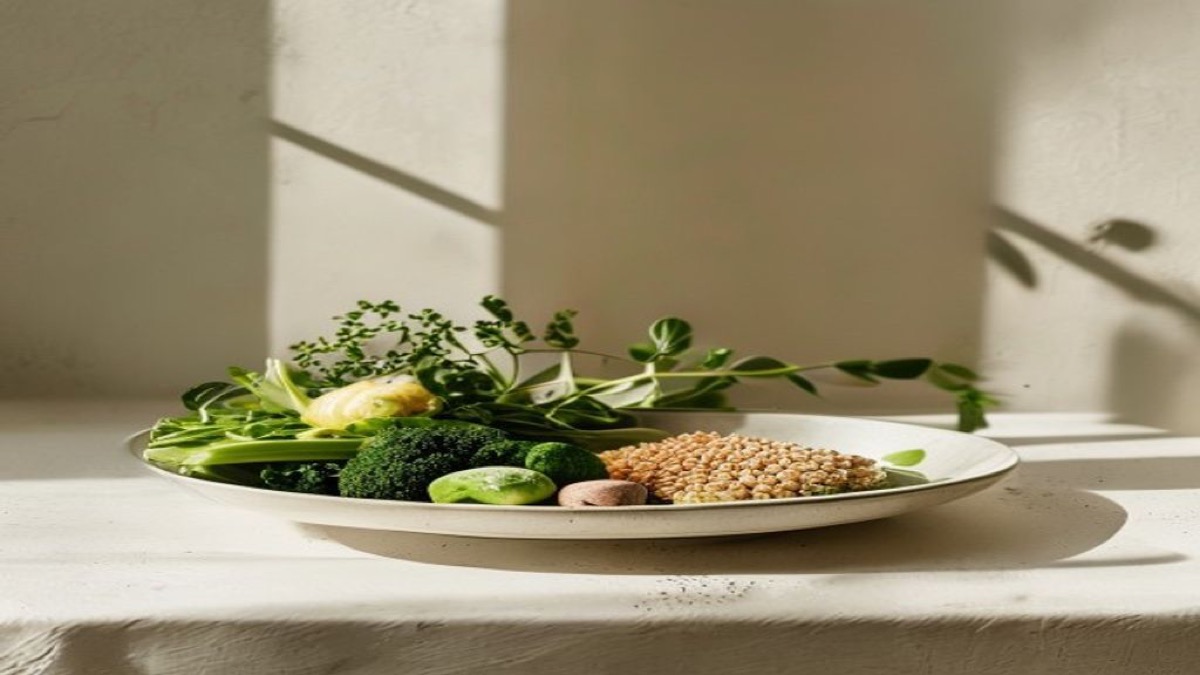
In the afternoon, when energy starts to dip, many people reach straight for a pastry or a cup of milk tea to "get their spirits back." The lift arrives quickly, but a short while later comes drowsiness, sluggishness, and a fresh sweet craving. This loop is familiar to a great many people, and much of it relates to how blood sugar in the body rises and falls after each meal. This article shares principles of balanced eating, offered for reference, to help you understand why blood sugar fluctuates and how you can adjust daily habits to make everything gentler.
This article provides reference knowledge about lifestyle and does not replace examination or diagnosis by a doctor.
What steady blood sugar is and why it matters
Blood sugar is the amount of sugar (glucose) in the blood, the main energy source for the body and the brain. After each meal, especially one high in carbs or sweets, blood sugar rises, and then the body regulates it back to a baseline level. This is a natural and necessary process.
What deserves attention is not whether blood sugar rises or falls, but the range of the swing. When a meal makes blood sugar spike very quickly and then drop just as fast, many people feel the ups and downs clearly: excited one moment, drained the next, ravenous and craving sweets. Conversely, when blood sugar rises and falls in a gentler, more even way, energy tends to be steadier throughout the day and the feeling of fullness lasts longer.
For most healthy people, aiming for meals that let blood sugar fluctuate more gently is a healthy, easy-to-apply eating habit. Those who are being monitored by a doctor for metabolic conditions should follow their doctor's specific guidance and treat the suggestions below as a lifestyle complement rather than medical instructions.
Why we fall into the sweet-craving loop
A sweet craving isn't really about "lacking willpower." Very often, it's a natural consequence of how we eat. When you take in a large amount of sugar or refined carbs — pastries, soft drinks, lots of white rice, white bread — they are digested and absorbed very quickly, pushing blood sugar high in a short time.
The body responds by bringing blood sugar back to baseline, but because the initial rise was so fast and high, the regulating response sometimes pulls blood sugar lower than the comfortable range. That dip is often what creates the feeling of hunger, fatigue, and the return of sweet cravings. You eat another sweet, and the loop repeats.
Understanding this helps us blame ourselves less and shift attention to what's truly useful: changing the structure of a meal so blood sugar rises and falls more gently. When the ups and downs become less sharp, intense sweet cravings also tend to thin out naturally. The three principles below are simple footholds to start from.
Eating order: vegetables, protein, then carbs
A small change that many nutrition resources mention is adjusting the order in which you eat within a single meal. Instead of starting with rice or noodles, try eating in this sequence: vegetables and fiber first, then protein, and leave carbs for last.
The reasoning is easy to picture. Fiber in vegetables forms a kind of "cushion" in the digestive tract, slowing the rate at which sugar is absorbed from the carbs eaten afterward. Protein and healthy fats also help digestion proceed more slowly. The result is that with the same meal and the same amount of rice, blood sugar tends to rise more slowly and evenly when carbs aren't the first thing to enter an empty stomach.
Putting it into practice is very simple:
- Start with vegetables: a plate of boiled greens, a salad, or a bowl of vegetable soup. Leafy greens every day is an easy foundation to sustain for this habit.
- Then the protein: tofu, various beans, fish, eggs, or lean meat.
- Carbs last: rice, noodles, potatoes — favoring whole grains, in a moderate amount.
This is a reference habit, not a rigid rule. You don't need to eat each part separately in a mechanical way; just keeping the spirit of "vegetables and protein first, carbs after" already makes a difference for many everyday meals.
When eating out, you can order an extra plate of vegetables or a bowl of soup and have it first, then move on to the main dish and rice. Eating slowly and chewing well also makes the meal more leisurely and helps fullness arrive at the right time.
Limiting refined sugar and processed foods
The source that swings blood sugar the most is usually free sugar in soft drinks, milk tea, and sweets, along with refined carbs that have lost most of their fiber. They're sweet, convenient, and easy to get hooked on, but they deliver energy in a "quick to arrive, quick to leave" way.
Limiting here doesn't mean cutting out absolutely. A little something sweet on the right occasion is perfectly normal and nothing to feel guilty about. What's worth doing is gradually reducing the frequency and portion, while swapping in options that cause less of a swing:
- Swap refined carbs for whole grains: brown rice, oats, whole-grain bread instead of white rice and white bread. The retained bran and fiber help slow absorption.
- Reduce sugar in drinks: choose plain water, mild herbal tea, or lightly sweetened coffee instead of sugary soft drinks and milk tea.
- Read processed foods carefully: many savory dishes or instant cereals also contain a notable amount of hidden sugar.
- Favor whole fruit over juice that has had its fiber strained out, since the fiber in whole fruit softens the pace of sugar absorption.
If you'd like to understand more deeply how sugar and processed foods affect the body, the article understanding sugar and processed foods goes into detail on how to recognize them and eat in moderation. Another gentle approach is learning to eat just enough in the spirit of the Japanese habit of eating to 80% full, which helps a meal stop at the right time rather than eating until overly full.
Protein and fiber for lasting fullness and fewer cravings
If eating order and limiting sugar are two legs, then getting enough protein and fiber is the third leg that keeps a balanced meal standing. Protein and fiber are digested slowly, creating a longer-lasting feeling of fullness, so you feel less ravenous between meals and reach for sweet snacks less often.
Among protein sources, plant protein and animal protein both have a role, but plant protein has a notable advantage: it usually comes with fiber already built in. Beans, lentils, chickpeas, tofu, and nuts provide protein while carrying fiber, so a serving of beans usually creates a steadier, more lasting fullness than the same calories from refined carbs.
A few suggestions to make meals higher in protein and fiber:
- Add a portion of beans or tofu to the main meal, replacing or supplementing a portion of rice.
- Use nuts, or unsweetened or lightly sweetened plant milk for snacks, instead of pastries.
- Keep leafy greens and whole fruit appearing regularly through the day to add more fiber.
- For vegetarians or those wanting to increase plant protein, choosing the right source really matters — the article criteria for choosing plant protein suggests how to combine sources for complete nutrition.
When a main meal already has enough protein and fiber, many people notice markedly steadier energy through the afternoon — a topic covered in more depth in the article what to eat for lasting energy all day.
IKI, alongside your balanced eating habits
IKI uses a constitution survey to suggest menus and eating habits better suited to each person, rather than imposing one formula on everyone. For those who want a convenient way to increase plant protein, the plant-based protein powder from the HOPE ecosystem is one option to consider.
- Get balanced-meal suggestions by constitution through the IKI App.
- Learn about plant-based protein powder at True Vegan Protein ↗.
TRUE VEGAN PROTEIN PRO dietary supplement (box of 22 sachets x 22 g), self-declaration number 03/HOPECORP/2026. Organization responsible for the product: Công ty Cổ phần TMDV HOPE, Số 40A Quang Trung, Phường Hải Dương, Thành phố Hải Phòng. For people aged 18 and over.
Lifestyle habits that support blood sugar
Eating is most of the story, but not all of it. A few lifestyle habits, kept up regularly, are also recognized in many health resources as supporting metabolism and helping keep appetite less erratic:
- 1A gentle walk after mealsA short 10-15 minute walk after eating gets the body moving and usually makes post-meal blood sugar gentler. It's a small habit but a lasting one.
- 2Enough, regular sleepLack of sleep can increase cravings for sweets and snacks the next day. Prioritizing enough sleep helps keep your eating rhythm steadier.
- 3Managing stressProlonged stress easily leads to emotional eating, especially of sweets. A few minutes of slow breathing or a walk can help soothe an impulsive craving.
- 4Spread meals through the daySkipping meals and then overeating tends to swing blood sugar more sharply. Eating enough and regularly helps you avoid the ravenous hunger that leads to bingeing on sweets.
No single habit is a "miracle" on its own. The strength lies in combining them and keeping them up over the long term. You don't need to change everything at once — pick one or two of the easiest, keep them steady for a few weeks, then add more once they've become routine.
Frequently asked questions
1. Does eating vegetables first, then protein, then carbs really help keep blood sugar steadier?
Many nutrition resources note that when you eat vegetables and protein first and leave carbs for last, the body tends to absorb sugar more slowly and evenly, so blood sugar after eating fluctuates less sharply. This is a reference eating habit, simple and easy to apply for most people, but it does not replace a doctor's guidance for those being monitored for metabolic conditions.
2. Why does eating a lot of sweets make me crave sweets even more?
Sweets and refined carbs are absorbed quickly, causing blood sugar to spike and then drop just as fast. That dip is often what creates the feeling of hunger and the return of sweet cravings, easily pulling you into a loop of eating sweets over and over. Eating in balance with fiber, protein, and healthy fats helps blood sugar rise and fall more gently, so cravings come on less intensely too.
3. Do I have to cut out sugar and carbs completely?
You don't need to cut them out absolutely. Carbs are still an important energy source, and a little something sweet on the right occasion is perfectly normal. What's worth doing is choosing whole grains instead of refined carbs, cutting back on free sugars in drinks and sweets, and eating enough vegetables and protein to make meals more balanced. A moderate approach you can sustain over the long term is usually steadier than cutting things out entirely.
4. Does plant protein help you feel full longer and snack less?
Plant protein sources like beans, lentils, tofu, and nuts usually come with fiber, so they create a longer-lasting, steadier feeling of fullness. When a main meal has enough protein and fiber, many people find they feel less ravenous and reach for sweet snacks less often between meals. This is a suggestion about eating habits, and each person's specific needs can differ.
5. Besides eating, what other habits support steady blood sugar?
Regular gentle movement, especially a little walk after meals, enough sleep, and managing stress are all mentioned in many health resources as factors that support metabolism and appetite. These habits become meaningful when kept up steadily and combined with balanced eating.
6. When should I see a doctor about blood sugar?
If you frequently feel very thirsty, urinate often, lose weight for no clear reason, feel persistently tired, or have risk factors such as family history, being overweight, or low activity, please see a medical professional to be checked and advised. This article provides reference knowledge about lifestyle and is not intended to diagnose or replace a doctor's examination.
In closing
Keeping blood sugar swinging more gently and easing sweet cravings doesn't require a harsh diet or extraordinary willpower. Most of it lies in a few small but lasting adjustments: start the meal with vegetables, leave carbs for later, favor whole grains along with protein and fiber for lasting fullness, gradually reduce free sugar in drinks and sweets, and combine this with gentle movement, enough sleep, and regular eating through the day. These habits are for reference and become meaningful when kept up over the long term. If you have risk factors or unusual signs, please see a medical professional for an examination and advice suited to you.