
Protein is one of the nutrition topics that causes the most confusion. Some people believe you have to eat a lot of meat to have energy, while others hear that plant protein is healthier and want to switch entirely to beans and nuts. Caught between conflicting information, plenty of people feel unsure about how to eat correctly and stay balanced.
The truth is usually somewhere in the middle, and simpler than we think. Plant protein and animal protein are both valuable sources, each with its own strengths, and for most people, the wise move isn't to pick one and drop the other, but to understand each one clearly so you can combine them to fit your own body and lifestyle. This article takes a close look at both protein sources, compares them fairly, and offers suggestions for eating enough protein to stay full longer, keep your muscle, and feel light — all as part of proactive wellness.
Why protein matters for everyone
Before comparing, let's revisit why protein is so essential. Protein is the raw material the body uses to build and renew cells, maintain muscle mass, and take part in many life processes. It's a component that many Vietnamese meals, especially breakfast, tend to lack, since we're prone to eating a lot of carbohydrates and forgetting the protein.
A meal with enough protein leaves you feeling full for much longer than a meal that's mostly carbohydrates. That's why when breakfast or lunch is short on protein, you tend to get hungry quickly and crave snacks between meals. Protein also helps the body maintain and repair muscle mass, which matters for everyone, not just people who train, and matters even more as we get older.
The point worth emphasizing is that protein is for everyone: office workers, manual laborers, young people, older adults, meat-eaters, and vegetarians alike. The question isn't "do I need protein," but "where do I get it, and how much is reasonable." That's exactly where the conversation about plant-based versus animal protein becomes worth having.
Animal protein: strengths and things to watch for
Animal protein comes from meat, fish, eggs, dairy, and dairy products. This is a familiar group of protein sources in most Vietnamese family meals.
The biggest strength of animal protein is that it usually provides all the essential amino acids in a single source, and the body absorbs it fairly easily. Eggs, fish, lean meat, and plain yogurt are all quality protein sources that are convenient and easy to prepare. Fish also brings beneficial natural fats, while eggs are one of the most accessible and versatile protein sources for breakfast.
That said, there are a few things worth watching for. Some meats, especially red meat and processed meat, come with a high amount of saturated fat, so eating too much, too often may not be ideal for long-term health. Deep-fried, oily dishes made from animal protein can also feel heavy on the stomach. A sensible approach is to prioritize leaner sources like fish, eggs, lean meat, and plain yogurt, and prepare them gently rather than deep-frying.
In other words, animal protein is a valuable, convenient protein source, as long as you choose the right cuts and eat in moderation, rather than loading every meal with fatty meat.
Plant protein: strengths and things to watch for
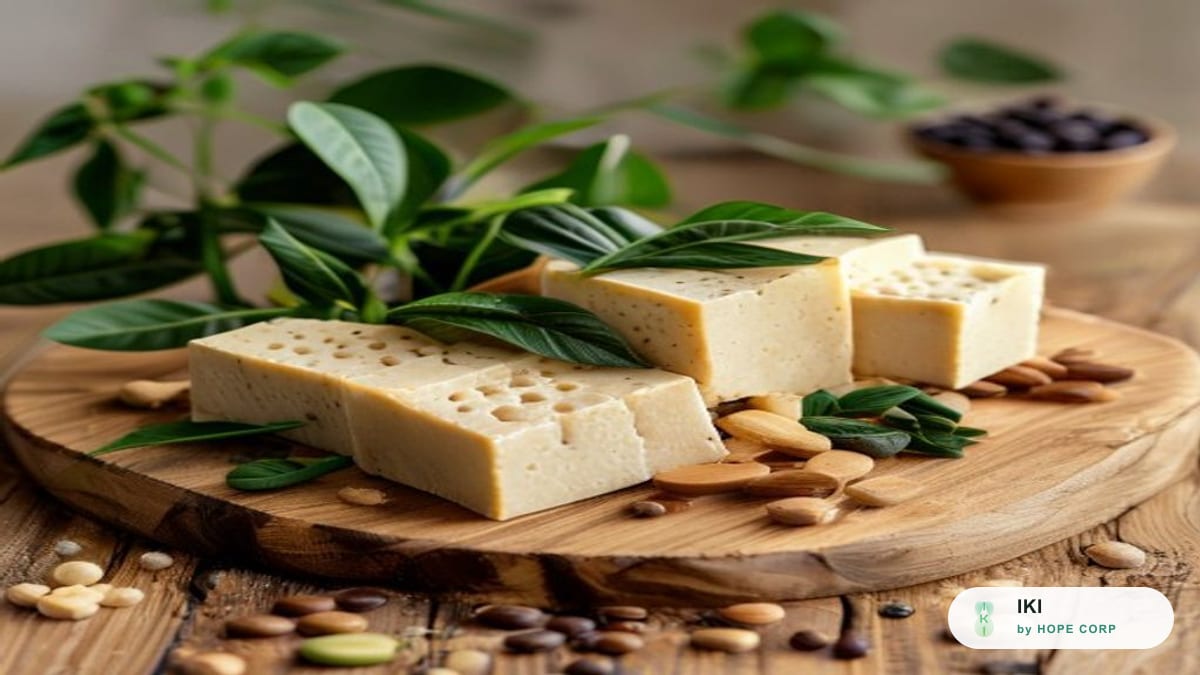
Plant protein comes from beans such as soybeans, mung beans, black beans, and lentils, along with tofu, nuts, whole grains, and some superfoods. This is a group more and more people are turning to when looking for a gentler protein source.
The strength of plant protein is that it's usually gentle on the digestive system, contains no cholesterol, and comes with natural fiber, vitamins, and minerals. This fiber both supports digestion and contributes to a pleasant, lasting feeling of fullness. Many people choose plant protein because they feel lighter after eating, especially those with a sensitive digestive system or who want to cut back on animal protein.
What's worth noting is that many single plant protein sources lack a few essential amino acids, so eating just one type may not be enough. Fortunately, this is easy to fix: simply combine different sources throughout the day, for example beans eaten with whole grains, and the different types make up for each other's amino acids, forming a well-rounded protein source. This is a familiar principle in traditional vegetarian cuisine, such as rice eaten with beans, or dishes that combine beans and nuts.
For busy people who find it hard to get enough plant protein through meals, a concentrated, convenient plant protein source is also an option to help round things out. For example, True Vegan Protein plant-based protein is a plant protein made from several ingredients such as nuts and grains, convenient to mix and drink for times when preparing a protein-rich meal is difficult. Think of it as extra support for your diet, not a replacement for whole meals.
A fair comparison: neither source wins outright
When you place the two sources side by side, the clearest takeaway is that neither one wins outright over the other. Each is strong in a different way.
In terms of amino acid completeness, animal protein has the advantage of a single, complete source, while plant protein needs combining to achieve similar balance. In terms of digestion and fiber, plant protein is gentler and comes with fiber that animal protein lacks. In terms of convenience, both sides have quick options: boiled eggs or plain yogurt from the animal side, a handful of nuts or a quick plant protein shake from the plant side.
For long-term health, what matters isn't picking a side, but how you use it. Someone who eats too much fatty, deep-fried meat won't be healthier than someone who balances both sources; conversely, a vegetarian who eats mostly carbohydrates and lacks variety in plant protein can also fall short on nutrients. Quality lies in the overall diet, not in the label "plant" or "animal".
So for most people not following a vegetarian diet, the most balanced and sustainable approach is usually to combine both: some days with fish and eggs, some meals with beans and nuts, varying your sources through the week to make the most of each one's strengths. This variety also keeps meals interesting and easier to sustain.
How to combine protein in Vietnamese meals
The wonderful thing is that Vietnamese cuisine already has plenty of ways to combine protein harmoniously — you just need to pay a little attention.
For breakfast, the meal most likely to lack protein, actively add a source: an egg in your rice porridge or bánh mì, a cup of plain yogurt with nuts, or a plant protein shake blended with fruit. You can also check out the article How to Eat Breakfast for a Day Full of Energy for building a quick, protein-complete breakfast.
For lunch and dinner, make sure your plate has a clear protein source alongside rice and vegetables, rotating between fish, eggs, lean meat, tofu, and bean dishes. Braised tofu, tofu in sauce, bean soup, and steamed fish or boiled meat are all gentle, familiar choices. Adding plenty of leafy greens helps the meal stay balanced and easier to digest.
For snacks, protein is also a good choice to stay full between meals: a handful of nuts, a cup of yogurt, or boiled beans are all convenient. These protein-rich snacks help you crave sweets less and keep your energy steadier.
A simple trick to remember: look at each meal and ask yourself "where's the protein?" If a meal is mostly carbohydrates, add a protein source. This small habit gradually helps you eat enough protein without complicated calculations.
Protein for vegetarians, vegans, and special groups
People who eat a fully plant-based diet can absolutely get enough protein, as long as they know how to combine sources. The key is variety in plant sources throughout the day: pairing beans with whole grains, adding nuts, tofu, mushrooms, and protein-rich vegetables. When sources make up for each other's amino acids, a plant-based diet still delivers balanced protein. You can check out the article A Balanced, Nutritionally Complete Plant-Based Diet for building a more complete plant-based menu.
Older adults need to pay particular attention to protein, since muscle mass tends to decline gradually with age. Eating enough protein consistently through the day, combined with gentle movement, helps maintain suppleness. For this group, easy-to-digest protein sources like fish, eggs, tofu, yogurt, and diluted plant protein are usually a good fit.
People who train often or want to maintain and build muscle need to make sure their total daily protein is sufficient, spread evenly across meals rather than loaded into one. Combining both animal and plant protein helps you reach your target protein amount in a varied, comfortable way.
People with an underlying condition, especially kidney disease, need to be cautious about protein intake and should follow their doctor's or nutritionist's guidance, since their protein needs may differ. This is important — don't apply general principles mechanically to your own case.
Common misconceptions about protein
There are quite a few skewed beliefs around protein that lead many people astray. Let's untangle a few common ones.
"You have to eat a lot of meat to be strong and build muscle." The body needs enough protein, not as much meat as possible. Eating too much fatty meat can feel heavy on digestion, while maintaining muscle mass comes from enough total protein combined with movement, not from meat alone.
"Plant protein isn't as nutritionally complete as animal protein." Each single plant source may lack a few amino acids, but when combined with variety, plant protein fully provides what you need. Countless healthy vegetarians are living proof of this.
"Eating a plant-based diet definitely means lacking protein." Not true if you eat a variety of foods in sufficient amounts. Beans, nuts, tofu, and whole grains are rich plant protein sources; the only real issue is combining them and eating enough.
"Protein powder is mandatory to get enough protein." Not really. The top priority is still protein from whole foods at main meals. Protein powder is just a convenient supplement for busy times, not a meal replacement.
"Eating a lot of protein in one meal is enough for the whole day." The body uses protein better when it's spread evenly across meals. Loading it all into one meal isn't as effective as having a reasonable protein source at every meal.
Understanding protein correctly helps you eat in a balanced, confident way, instead of chasing extreme beliefs about a single food group.
Conclusion
The story of plant-based versus animal protein isn't about picking a side — it's about understanding each source well enough to combine them in balance. Animal protein is convenient and complete in a single source; plant protein is gentle on digestion and comes with fiber. For most people, varying both through the week, and eating enough protein at each meal to stay full and keep your muscle, is the most sustainable path.
Start with one small change tomorrow. It could be adding a protein source to a breakfast that tends to lack one, rotating fish, eggs, and beans through the week, or asking "where's the protein?" at every meal. These small, consistent steps, combined with eating enough vegetables and gentle movement, are how you care for your body every day. If you'd like to combine food groups more broadly, take a look at the article 8 Healthy Food Groups. A balanced diet doesn't come from one rigid rule, but from "good enough" choices repeated consistently.