
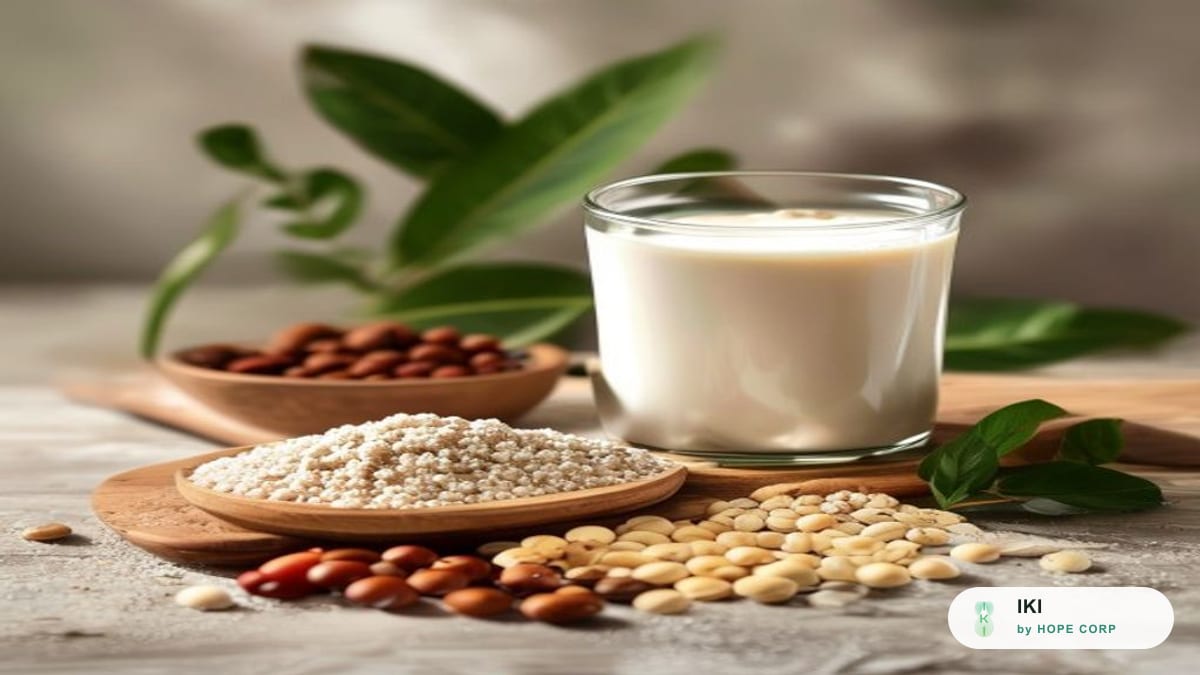
When deciding to add more plant-based protein to your meals, many people get stuck on a question that sounds simple but isn't: which source should you choose? The market has every kind of bean, supermarket shelves stretch long with nuts, and online there are dozens of protein powders each with their own appealing marketing. Among all these options, choosing something that's nutritionally sound, gentle on your body, and sustainable long-term isn't always obvious.
This article isn't trying to convince you that plant protein is "better" than animal protein — it's meant to help you build a clear-headed set of criteria for choosing. We'll go through why choosing the right protein source matters, four criteria worth weighing, an objective comparison of common options, and then a concrete suggestion: a plant protein powder for busy days. The end goal is for you to make a confident decision, rather than choosing based on advertising or word of mouth.
Why choosing the right protein source matters
Protein is the raw material the body uses to build and repair cells, maintain muscle mass, and support many daily bodily functions. It's also a component many Vietnamese meals tend to lack, especially at breakfast, since we tend to eat a lot of carbs and forget the protein. A meal of just white rice and a few stir-fried vegetable dishes may be filling but is protein-poor, and hunger tends to return quickly.
What's worth noting is that just "having protein" isn't enough on its own. The quality and variety of your protein sources affect how full you feel, how gentle it is on digestion, and even how steady your energy stays through the day. Animal protein from meat, fish, eggs, and dairy usually supplies all the essential amino acids from a single source, but some come with saturated fat. Plant protein from beans, nuts, and grains is gentler on digestion, has no cholesterol, and comes with fiber — but each type on its own often lacks a few amino acids, so it needs variety to fill the gaps.
So "choosing the right protein source" really means finding a combination that suits your body and your lifestyle, rather than searching for one single perfect food. Once you understand this, you'll worry less about ads that oversell any one product as the answer.
One more reason choosing carefully matters: this is something you'll be eating consistently, day after day. A protein source that's "good" on paper but you don't like the taste of, that's inconvenient to prepare, or that's too expensive for your budget is hard to sustain. Consistency is what actually makes the difference, so "fits me" deserves to be weighed just as heavily as "nutritionally sound".
Four criteria for choosing plant-based protein
Rather than choosing on gut feeling, you can use the four criteria below as a filter. No single source scores perfectly on all four, so treat this as a way of weighing trade-offs, not a pass/fail test.
Clear origin
The first criterion is knowing clearly where what you're eating comes from. For whole foods like beans, nuts, and tofu, this is fairly simple: buy from a reputable source, choose fresh stock, and avoid anything damp, moldy, or old. For processed products like protein powder or nut milk, look at the brand, manufacturing location, expiry date, and published information. A product that's transparent about its origin is always more trustworthy than one with eye-catching packaging but vague sourcing.
Clean, easy-to-digest ingredients
The second criterion is ingredient quality. For whole foods, "clean" means minimally processed and not overly seasoned. For packaged products, read the ingredient list: favor ones that clearly state the protein source, are low in sugar, and don't contain unnecessary additives. "Easy to digest" also matters, especially for people with sensitive digestion; plant protein with its fiber content tends to feel lighter on the stomach for many people, though individual responses vary.
Variety to complement each other
The third criterion is especially important for plant protein: variety. Since each plant type may be missing a few amino acids, combining several groups throughout the day helps them complement one another. A classic, very Vietnamese approach is eating beans alongside grains — rice with beans, sticky rice with beans, or noodles with tofu. You don't need a "perfect" combination in every single meal — just having a few different plant protein groups show up across the day already makes your intake far more balanced.
Fits your lifestyle
The final criterion, and the one most often overlooked, is how well it fits your actual daily rhythm. A homemaker with time to cook will choose differently from an office worker grabbing a quick lunch out, and differently again from someone training who needs a fast protein boost after a workout. Be honest about your own schedule: if you rarely have time to cook, a convenient ready-to-mix protein source may be more realistic than a plan to cook beans every morning that fizzles out after a week.
Comparing common plant protein options
To make this easier to picture, let's go through the familiar groups of plant protein, along with the strengths and considerations of each. No group is the "champion" — each suits a different situation.
Soybeans and soy products (tofu, soy pudding, soy milk, tempeh, edamame). This is the pillar of plant protein, since soy is one of the few plants that provides nearly all the essential amino acids on its own. Strengths: protein-rich, versatile in cooking, easy to find, and affordable. Considerations: some people don't enjoy the taste of soy, or need to add variety so meals don't feel monotonous.
Beans and legumes (black beans, mung beans, lentils, chickpeas, red beans). This group is rich in protein and fiber, very filling, and great for rice, porridge, soups, and stews. Strengths: inexpensive, easy to store dry, and versatile. Considerations: need soaking and thorough cooking, take more prep time, and some people may feel bloated if they increase intake too quickly, so it's best to build up gradually.
Nuts (almonds, walnuts, cashews, pumpkin seeds, sunflower seeds, chia seeds). These provide both protein and healthy fats, and make a convenient grab-and-go snack. Strengths: no cooking needed, easy to carry, easy to sprinkle onto dishes. Considerations: calorie-dense, so portion size matters, and some nuts are fairly pricey.
Whole grains (oats, brown rice, quinoa, corn). Usually thought of as a carb source, but they also contribute some protein and pair very well with beans to complete each other's amino acids. Strengths: a filling foundation for meals. Considerations: protein content isn't as high as beans or nuts, so they play a supporting role.
Plant protein powder. This is a concentrated form, convenient to mix into a drink or add to a dish. Strengths: quick, easy to measure, useful when busy or after training. Considerations: it's a processed product, so choose one transparent about ingredients and low in sugar; and most importantly, it should supplement your meals, not replace whole foods.
Overall, an ideal plant protein intake usually rests on whole foods as its foundation, with nuts and protein powder as convenient pieces that fill the gaps on days you can't cook. To understand more about weighing the two protein sources against each other, read the article Plant Protein and Animal Protein: Finding the Right Balance.
True Vegan Protein — an option for a busy lifestyle
Once you have this set of criteria in hand, looking at a specific product becomes much easier. Among plant protein powders, True Vegan Protein is one option, and it's a good example to hold up against the four criteria above.
In terms of origin and ingredients, True Vegan Protein Pro plant protein powder contains a protein blend from peas and almonds, along with various seeds and grains; the full list is printed on the label. The label states 0 lactose, 0 cholesterol, 0 animal protein.
In terms of variety, a protein powder blended from several different plant ingredients has an advantage in complementing amino acids within a single product, rather than relying on just one type of bean. That said, the overall spirit should still be using it alongside a varied diet, not treating one shake as enough for the whole day.
In terms of convenience, this is perhaps the clearest reason many people choose the powder form. A quick shake on a rushed morning, after a workout, or on days when you've eaten out a lot and are short on protein helps you keep your intake steady without needing to cook. For people working full days or parents juggling young children, this convenience has real practical value, since it helps sustain the habit instead of giving up on it.
To be clear and avoid any misunderstanding: True Vegan Protein is a plant-based protein supplement, suited to being part of a balanced diet and healthy lifestyle. It is not a food used to prevent or change any medical condition, and it does not replace a full meal. If you're interested, you can learn more about its ingredients and how to use it at the True Vegan Protein page, then decide for yourself whether it fits your criteria and needs.
Using plant protein powder sensibly
If you decide to add a plant protein powder to your diet, a few notes will help you use it in the right role.
- Treat it as a supplement, not a replacement. Real meals with whole foods should still be your foundation. Protein powder fills the gaps on busy days — it's not an excuse to skip meals.
- Pay attention to total protein across the day. A simple way to picture it: have a clear protein source at each main meal, add protein at snack time through nut milk, a handful of nuts, or a protein shake when needed. Eating a variety of foods and enough energy overall matters more than counting exact grams.
- Mix it to taste, with little added sugar. If you add your own ingredients, limit sugar or condensed milk to keep it light and avoid unnecessary extra calories.
- Listen to your body in the first few weeks. When you add more plant protein and fiber, some people need time to adjust digestion, so increasing gradually is sensible.
- Ask a specialist if you have special needs. People who are pregnant, breastfeeding, have an underlying condition like kidney disease, or follow a specific diet should talk to a doctor or nutritionist to personalize their intake.
Common questions when buying
Before spending money on a protein product, many people hesitate over a few very practical points. Here's a way of thinking about them that may make the decision easier.
Should I buy an expensive or a cheap option? A higher price doesn't automatically mean a better fit. What's worth looking at is the balance between ingredient quality, transparency, a flavor you enjoy, and whether it fits your budget long-term. A product you like and use every day is worth more than an expensive one you buy and then leave unused.
Should I buy a small trial size or a large amount right away? For a product you're trying for the first time, buying a modest amount to test the flavor and see how your body responds is the wiser move, avoiding waste if it doesn't suit you. Once you know you like it, you can consider buying a larger size for convenience.
How do I know if it suits me? Watch how you feel over the first one to two weeks: is the taste pleasant, how does your digestion feel, are you able to keep up the habit. These signals are far more useful than any advertising claim. If you notice an unusual reaction, stop and check with a specialist.
Do I need a protein supplement if I'm already eating enough? For people who eat a varied diet with enough protein, it's not strictly necessary. Protein powder is only worth considering if you regularly struggle to get enough protein, eat out a lot, or have special needs like training. Choose based on your actual need, not because you see others using it.
Conclusion
Choosing the right plant-based protein source isn't about finding one miracle product — it's about building yourself a clear-headed set of criteria: clear origin, clean and easy-to-digest ingredients, enough variety to complement each other, and a fit with your real lifestyle. With this filter in hand, you'll be less swept up by advertising and more confident standing in front of the shelf.
Start from the foundation of whole foods, pair beans with grains, add nuts as snacks, and use a convenient plant protein powder like True Vegan Protein on busy days if it suits you. More important than any single choice is consistency: enough protein every day, a varied diet, and listening to your body — that's the sustainable way to take care of yourself proactively. If you're just starting out and want to build a balanced vegetarian diet, take a look at the article Eating Vegetarian, Balanced and Complete to take it one gentle step at a time.