
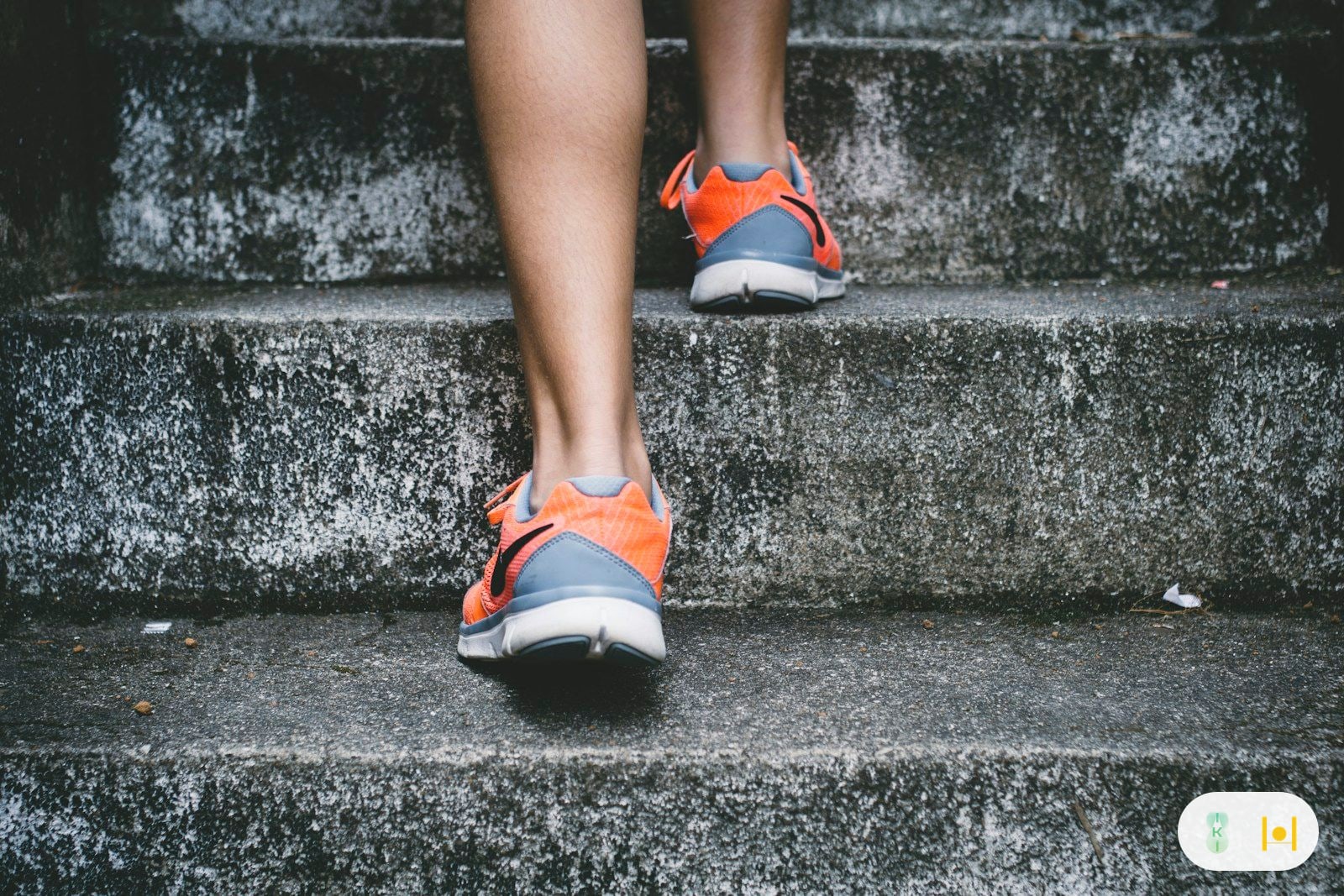
There's a fairly common misconception: that to take care of your health, you have to sign up for an expensive gym, buy specialized equipment, or set aside a whole hour every day. The truth is far simpler. The most accessible, least expensive, and most sustainable form of movement is something you've known how to do since childhood: walking.
No elaborate training schedule, no personal trainer, no waiting until you "have more free time." All you need is a pair of well-fitting shoes, a few spare minutes in the day, and a little resolve to step out the door. This article will walk you through why steady light movement is worthwhile, how to walk properly, how much is enough, and how to turn it into a habit as natural as brushing your teeth each morning.
Why steady light movement beats occasional intense workouts
Many people begin their wellness journey with a dramatic burst: running 5 kilometers on the very first day, lifting weights until they're wiped out, then aching all over the next day and... taking the whole week off. This approach has one core weakness: it isn't sustainable.
The human body adapts best to moderate, regularly repeated stimuli, not to large shocks spaced far apart. An occasional heavy workout can easily lead to overexertion, sore muscles, even injury, leaving you discouraged and ready to quit. Light movement every day, by contrast, gives the body a steady signal: "we're moving, this is normal."
There are a few reasons consistency wins out:
- Fewer barriers to starting. A 15-minute walk doesn't require you to "psych yourself up" the way a high-intensity session does. The lower the barrier, the easier it is to do every day.
- Less risk of injury. Light movement puts less sudden strain on joints and muscles, making it suitable for almost everyone, including those who haven't exercised in a long time.
- Easier to turn into a habit. A small action repeated daily settles into your routine faster than a big action done once a week.
- A continuous sense of success. Every day you finish a walk is a moment you tell yourself "I did it," and that string of small wins nourishes lasting motivation.
Put another way, someone who walks 20 minutes a day for a month will cover more ground, and stick with it longer, than someone who exhausts themselves in one session and then rests for three weeks. Proactive wellness is a long-distance run, and over the long distance, consistency always wins.
The benefits of walking every day
Walking may sound too simple to offer many benefits, but that very simplicity is its strength. When you make walking a daily habit, both body and mind benefit in a very natural way.
Physically, regular walking helps:
- Your heart and lungs work more rhythmically, and your body grows accustomed to moderate movement.
- Your legs and major muscle groups get used regularly, keeping you supple in daily life.
- Your body feels lighter and more comfortable after long hours of sitting.
- It supports a balanced figure when combined with a healthy diet and a moderate lifestyle.
Mentally, this is perhaps the gift that surprises people most. A walk outdoors often brings:
- A more relaxed mind and less tension after a busy day.
- Space to slow your thoughts down and put in order the things still cluttering your mind.
- More comfortable sleep for many people, once the body has moved during the day.
- A moment "just for yourself," away from screens and noise.
What's valuable is that these benefits don't require you to walk fast or far. Even leisurely walks make a difference compared with sitting still all day. The body is designed to move, and walking is the gentlest way to remind it of that.
How much is enough
This is the question everyone asks, and the honest answer is: it depends on your starting point.
The figure of 10,000 steps a day is quoted everywhere, but few people know it originally came from a pedometer marketing campaign in Japan decades ago, rather than an absolute scientific threshold. Later research suggests that around 6,000 to 8,000 steps a day already brings clear benefits for adults, and the benefits keep rising as you walk more, up to a point where they level off.
So don't let the number 10,000 discourage you. Instead, take a more practical approach:
- Measure your current baseline. Use your phone or a watch to count your steps over a few ordinary days so you know how much you're walking. Many office workers take only about 2,000 to 4,000 steps a day without realizing it.
- Increase in small steps. Add about 1,000 steps each week compared with the week before. This slow increase helps the body adapt and reduces the risk of aches.
- Set a time-based goal if that's easier. Don't want to count steps? Think in minutes. Start with 10 to 15 minutes a day, then work up to 30. Many health recommendations mention around 150 minutes of moderate movement a week, which is just over 20 minutes a day.
The important thing to remember: a short walk is still better than no walk at all. If you only have 7 minutes today, walk for 7 minutes. Consistency over time is worth far more than waiting for a perfectly free day to walk for a long stretch.
A four-week plan for beginners
If you like a clear plan to follow, here's a gentle four-week suggestion, designed for someone who has barely exercised at all. The goal isn't to force yourself, but to let your body gradually get used to moving every day. Adjust it to your own capacity, and remember that walking less than planned is still better than skipping it entirely.
- Week 1 — getting familiar. Walk 10 minutes a day at a leisurely pace, at a fixed time. The only goal this week is "get out the door every day," without worrying yet about speed or distance.
- Week 2 — a little longer. Increase to 15 minutes a day. Start paying attention to your posture: back straight, shoulders relaxed, breathing steady. If it feels easy, add a few faster-paced minutes in the middle.
- Week 3 — adding rhythm. Walk 20 minutes a day. Try alternating: 3 minutes at a leisurely pace, then 1 to 2 minutes brisk, and repeat. This alternation gets your heart and lungs working harder without overdoing it.
- Week 4 — settling the habit. Keep to 25 to 30 minutes a day, or split it into two short sessions if that's more convenient. By now, what matters more than the numbers is the feeling that your walk has become a familiar part of the day.
After four weeks, you can stay at the level that feels comfortable, or keep increasing gradually. There's no required finish line — someone who keeps up 20 minutes a day for months is doing very well. If a week gets interrupted by busyness or illness, don't treat it as a failure; just return to the week that suits your capacity and carry on.
When to walk during the day
Many people believe you have to walk at some "correct" time of day for it to work. In reality, each time of day has its own merit, and the best choice is the time you can stick with.
- Early morning. Walking while it's still cool helps you feel alert, take in natural light, and start a new day with a clear mind. Many find a morning walk easier to keep up, since work hasn't swept them away yet.
- After meals. A gentle 10- to 15-minute walk after lunch or dinner helps you feel comfortable and less sluggish. It's a small habit that many people love.
- During the workday. If you sit a lot, use your breaks to take a few laps around the office or step down to the yard. You move, and you give your eyes and mind a rest from the screen.
- Late afternoon or evening. For busy people, this is often the freest slot and a good way to "release" the day's stress. Just avoid walking briskly too close to bedtime, since some people find it harder to fall asleep.
Don't fuss too much over timing. Instead of waiting for the "ideal moment," tie your walk to a fixed anchor already in your day: after making your morning coffee, right after dinner, or before your shower. When walking is anchored to an existing habit, you'll rarely forget it.
Walking the right way + stretching
Walking may seem like there's nothing to learn, but a few small adjustments will make you more comfortable and able to walk longer.
Posture while walking:
- Keep your back naturally straight, eyes looking a few meters ahead rather than down at your feet.
- Relax your shoulders, don't hunch them up toward your ears. Let your arms swing gently in time with your steps.
- Step with your heel touching the ground first, then roll your weight smoothly toward the toes.
- Breathe steadily in time with your steps. If you're panting so hard you can't say a short sentence, slow down a little.
Your shoes matter more than you'd think. A pair that fits well, with a cushioned sole and a snug heel, will help you avoid blisters and sore feet. They don't need to be expensive, just well-fitting and comfortable.
Warming up and stretching helps the body move gently from rest into activity. Before you set off, spend a minute or two walking slowly, then pick up the pace. After you finish, take a few minutes to stretch lightly so your legs feel less tight:
- Calf stretch: stand a step away from a wall, extend one leg back, keep the heel on the ground and lean forward slightly, feeling a gentle stretch in the back of the calf. Hold for about 20 to 30 seconds, then switch legs.
- Hamstring stretch: place one heel on a low step, keep the leg straight, and lean forward slightly until you feel a soft stretch at the back of the thigh. Hold, then switch sides.
- Quad stretch: hold onto a wall for balance, bend one leg back, and take hold of your ankle to draw the heel gently toward your buttock. Keep your balance and feel the front of the thigh lengthen.
- Ankle and shoulder rolls: a few gentle rotations help the joints relax after your walk.
Stretching should feel like a soft, pleasant tension, never pulled to the point of pain. If you have issues with your knees or spine, or a past injury, ask a doctor or a rehabilitation specialist about the movements that suit you.
Walking safely: listen to your body and choose the right time
Walking is a gentle activity, but "gentle" doesn't mean ignoring safety, especially for older adults or those with underlying conditions. A few notes to keep your walk both comfortable and safe:
- Be careful about times that are too early and too cold. Many people are in the habit of waking very early to walk, but for those with heart or blood-pressure conditions, going out while it's still cold and dark can be a strain on the body due to the sudden change in temperature. This group should wait until it's warmer and brighter, warm up thoroughly indoors before heading out, and ideally ask a doctor about a suitable time.
- Warm up, don't dive straight into a fast pace. Start with a few minutes of slow walking to let your muscles and joints "warm up" before speeding up. This is especially important in the morning, when the body has just come through a night of lying still.
- Listen for signals to stop. If you feel chest pain, unusual shortness of breath, dizziness, faintness, or a sharp pain in a joint, stop and rest. These are signs that need attention, and you shouldn't push to "finish the session."
- Choose a safe, well-lit route. Favor flat places with little traffic and enough light. If you walk in the dark, wear light-colored or reflective clothing so others can see you easily.
- Stay well hydrated, and don't walk when too hungry or too full. Bring water if you'll be out a while, and avoid brisk walking right after a large meal. Drinking water the right way each day, according to your constitution also helps your body feel more comfortable when you move.
The overarching principle: move to feel healthier, not to prove anything, so walk within the range your body finds comfortable. For beginners, "a little effort but still able to say a short sentence" is a reasonable, moderate level.
When the weather won't cooperate: walking indoors
Rain, wind, or harsh sun are familiar reasons many people skip a walk, and one day off turns into a week off. But the weather doesn't have to break your streak. There are plenty of ways to keep your body moving right at home:
- Walk around the house. Pace back and forth between rooms, along the hallway, or on the balcony. It sounds simple, but the steps add up to something worthwhile.
- March in place. Put on a favorite show and walk in place in front of the TV while you watch. Time flies and you're still moving.
- Make use of the stairs. If your home has stairs, going up and down a few gentle times is good movement. Go slowly and hold the rail if you're not used to it.
- Stroll somewhere covered. A supermarket, shopping mall, or covered market near home is a cool place to walk when the weather is bad.
The key point is to keep the habit from being fully interrupted. Even on days when you can only manage five or ten minutes indoors, you're still maintaining your rhythm of movement and holding on to the feeling that "I'm still moving every day."
Weaving movement into a busy day
"I don't have time" is the most common reason people don't walk. But movement doesn't have to be a separate workout session. It can be spread out across the gaps you already have, just ones you haven't noticed.
A few very practical ways to fit it in:
- Break it up. No 30 minutes in one go? Three 10-minute walks across the day still add up. Walking after each meal is a natural way to divide it.
- Take the longer route. Park a bit farther away, get off the bus one stop early, walk over to another department instead of phoning.
- Choose the stairs. For a few floors, the stairs are a free chance to move. Go slow and steady if you're not used to it.
- Walk while on the phone. Calls that don't need a desk are a good chance to talk and walk at the same time.
- Turn housework into movement. Tidying up, watering plants, walking to the nearby market on foot — it's all movement.
- Arrange to walk with someone. Invite family, colleagues, or friends for a walk and a chat. You connect, you move, and it's harder to skip when someone's counting on you.
The key here is a shift in perspective: instead of seeing movement as something that needs its "own scheduled slot," see it as something you can weave into every beat of the day. Added together, those small scattered steps make up a meaningful total amount of movement that costs you almost no extra effort.
How to keep the habit
Starting is easy; keeping it up is the hard part. This is where many people give up, not out of laziness, but because the way they designed the habit wasn't sturdy. The following principles will help make your walk last.
Start so small it's hard to fail. If you set a 45-minute goal from the start, just a few busy days will leave you falling short and discouraged. Set a goal so small you can't refuse it, such as "get out the door and walk at least 10 minutes each day." Once you're out there, you'll usually walk more than that.
Anchor it to an existing habit. Tie your walk to something you're certain to do every day: after your morning coffee, right when you finish work, after dinner. The old habit acts as an automatic reminder for the new one.
Don't miss two days in a row. Everyone has an off day. Skipping one day is fine, but try not to let two consecutive days pass without walking. An unbroken streak creates momentum, and you won't want to break it.
Track it to see your progress. Mark a calendar, use a step-counting app, or simply jot it down. Seeing the string of days you've walked is a surprisingly powerful motivator.
Make it pleasant. Listen to favorite music or a podcast, choose a route with greenery, walk with someone cheerful. When your walk is tied to a pleasant feeling, your brain will seek it out on its own.
Forgive yourself and come back. Taking a week off for illness or busyness doesn't mean "it's all ruined." A habit isn't about being perfect, it's about coming back. Just step out the door again, and you've resumed the journey.
In closing
Proactive wellness doesn't begin with a grand resolution, but with a single step. Walking every day is the clearest proof of the idea that small things, done steadily, add up to a big difference. You don't need to wait until Monday, until you've bought all the gear, until you feel "ready." You just need to stand up, put on your shoes, and step out the door.
Start small, walk at a comfortable pace, tie it to a familiar anchor in your day, and allow yourself to come back whenever you miss a beat. If you'd like a clearer plan for the first stretch, see also A beginner's wellness roadmap (6 stages), and don't forget that moving feels more comfortable when you drink water the right way each day, according to your constitution so your body stays well hydrated.
One step at a time, a little each day. That's how a small habit becomes a natural part of life. Here's to many peaceful walks ahead.