
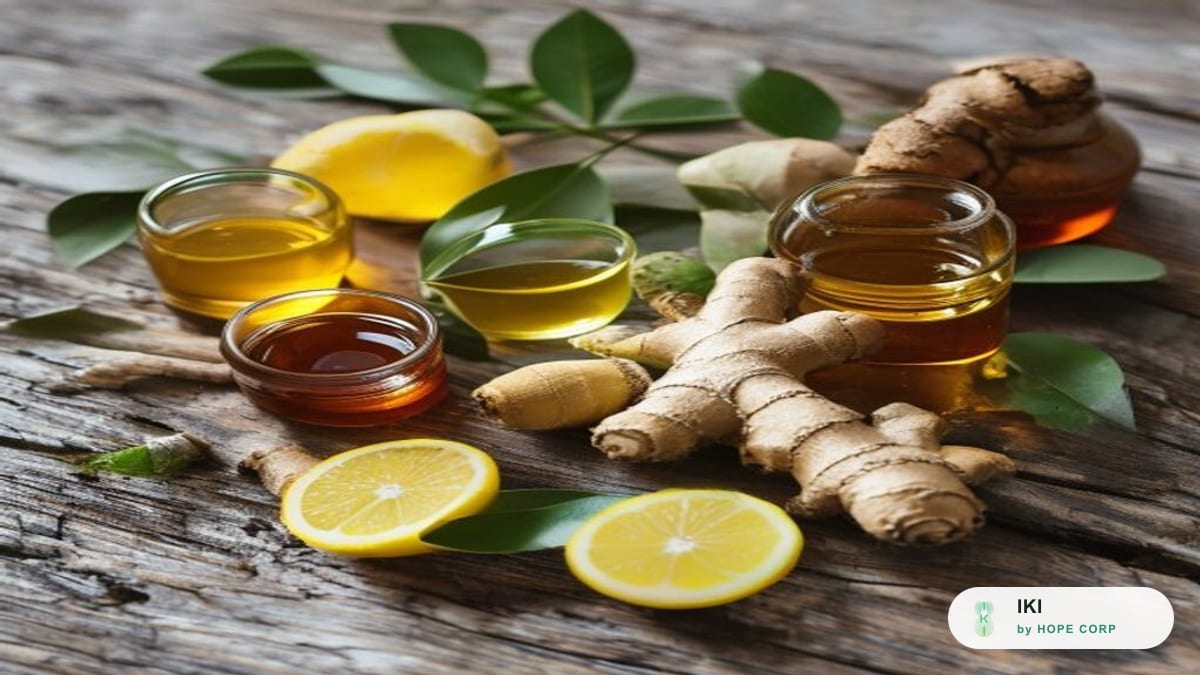
In the memories of many Vietnamese people, the image of a grandmother or mother making a cup of warm ginger water for the whole family on a winter morning, or saying "when it's cold, eat scallion porridge to warm the belly," is deeply familiar. Those simple words didn't come from academic books, but from keen observation and experience passed down through many generations. This is precisely the treasury of folk knowledge about caring for oneself, a soft heritage that lives right in the kitchen and in daily routines.
In the pace of modern life, we sometimes hastily dismiss this wisdom as something "outdated," or conversely follow it blindly to the point of overuse. Both attitudes are regrettable. This article from the IKI Health Coach Team invites you to look again at the treasury of Vietnamese folk wisdom in everyday health care with a balanced spirit: cherishing the wise part, understanding its limits, and applying it gently, in a way that suits your own body.
What folk wisdom is and why it deserves respect
Folk wisdom in health care is the understanding distilled from a community's real life: observing the links between weather and the body, between food and how one feels, between daily habits and overall well-being. It wasn't recorded in a laboratory, but "tested" across countless generations of living, eating, and sensing.
What's precious about this treasury is that it prizes prevention and following nature. Our forebears rarely waited until they felt unwell to take care; they paid attention to upkeep in everyday life: eating with the season, keeping warm when it's cold, eating in moderation, and sleeping and waking with the day-night rhythm. This spirit is very close to today's idea of proactive wellness: small, steady choices that add up to a foundation.
Another point is that folk wisdom often carries a natural personalization. People of old noticed that the same dish suits one person but leaves another uncomfortable; the same weather affects each person differently. From this came the way of talking about "constitution," about someone who "gets a cold belly easily" or one who "runs hot inside." This way of observing is quite similar to the spirit of constitution in Eastern medicine, which you can explore further in The 5 Constitutions in Eastern Medicine.
That said, cherishing it doesn't mean accepting everything unconditionally. The treasury of folk wisdom also holds no small amount of baseless hearsay, or claims inflated over time. The key is selectivity, which we'll discuss later.
Folk wisdom in everyday meals
Most of the folk wisdom closest to us lives right at the dinner table. These are gentle eating habits, easy to apply, and largely still sensible under the lens of modern nutrition.
Favor warm foods, limit very cold ones
One of the most familiar pieces of advice is to favor warm food and drink, especially in the morning and in cold weather. Our elders observed that many people who consume very cold things on an empty stomach often feel gnawing discomfort, while a bowl of hot porridge or a glass of warm water brings a pleasant feeling. This is a lifestyle habit based on how the body feels, and you can absolutely apply it flexibly: in hot weather you can be more relaxed about cool things, in cold weather lean toward warm dishes.
Add ginger, lemongrass, turmeric, and scallion when it's cold
The Vietnamese kitchen has a rich pantry of warming spices: ginger, lemongrass, turmeric, scallion, garlic, perilla, and Vietnamese balm. Folk wisdom often uses them to season dishes for fragrance and a sense of warmth, especially on chilly days or when you've just come in from the rain. A bowl of ginger soup, a bowl of scallion-perilla porridge, or a pot of ginger tea are all deeply familiar images. A sensible way to use them is to treat them as everyday seasonings in modest amounts, not as something taken in high doses. The article Vietnamese Spices (Ginger, Turmeric, Lemongrass) goes deeper into the flavor and use of this group of spices.
Eat with the seasons
"Each season, its own produce" is a very wise eating philosophy of the Vietnamese. In-season vegetables and fruit are usually fresher, more plentiful, and more affordable, and they also match the climate of the moment: summer brings many cooling fruits, winter brings hearty roots and tubers. Eating with the seasons offers a natural variety of nutrients and stays close to the rhythm of earth and sky. It's also a way of eating that's friendly to the environment and to your wallet.
Cook thoroughly, boil your water, eat in moderation
Advice that seems simple, like "cook thoroughly and boil your water," "eat just enough, don't force it down," and "chew well to feel full longer," are actually valuable principles of hygiene and moderation. They remind us to mind food safety and to listen to the body's signals of fullness and hunger, rather than eating out of habit or emotion.
Consider the warming and cooling nature of foods
Folk tradition often distinguishes "warming" dishes from "cooling" ones, and advises combining them harmoniously. Someone feeling overheated inside leans toward cooling dishes and greens; someone feeling cold leans toward warm dishes. This way of thinking is close to the yin-yang principle in eating, discussed in detail in Eastern Eating Wisdom: The Yin-Yang Principle. The nice thing is that it encourages observing and adjusting to how you feel, rather than imposing one rigid formula on everyone.
Folk wisdom in daily living
Beyond eating, the treasury of folk wisdom is also rich with advice about the way we live. Much of it still holds its value today.
- Keep the belly and feet warm. Elders often advise keeping the belly and feet warm, especially when sleeping and when the weather turns cold. This is a habit that brings a pleasant feeling, especially for people whose constitution tends to run cold.
- Sleep early, rise early, follow the day-night rhythm. The advice to "sleep early, rise early" reflects following the body's natural rhythm. A regular routine helps the body get used to a schedule, making eating and sleeping more predictable. If you often have trouble sleeping, Quality Sleep has more suggestions.
- Gentle daily movement. From walking and gardening to morning breathing exercises, people of old always saw moderate movement as part of a healthy way of life.
- Live slowly, keep the mind at peace. Many folk sayings emphasize ease of mind: "to eat well and sleep well is to be an immortal," "a smile is worth ten tonics." This spirit values the role of the mind in overall well-being, something we understand better today through the link between stress and the body.
- Seasonal habits. In cold season, keep warm and eat warm dishes; in hot season, eat lightly with plenty of vegetables and fruit and drink enough water. This seasonal flexibility helps the body adapt gently to changes in weather.
What these living habits share is that they are gentle, easy to do, and sustainable over the long term. Nothing extreme, no promise of miracles, just small bricks building a balanced way of life.
Taking it selectively: keep the wisdom, drop the superstition
This is the most important part, because not everything passed by word of mouth is trustworthy. Alongside sensible wisdom, the folk treasury also holds no small amount of inflated, baseless rumors that could even be harmful if followed blindly.
A simple principle for selecting is that wisdom which is caring, preventive, and gentle is usually safe to keep, such as eating with the seasons, keeping warm, eating in moderation, and sleeping enough. On the other hand, be wary of any word-of-mouth claim that:
- Promises to end illness quickly or fully resolve a serious health problem.
- Demands extreme restriction, prolonged fasting, or cutting out an entire important food group.
- Advises using something in a very high dose, or in an unusual way, for an instant result.
- Advises abandoning medical check-ups and care entirely in favor of a folk tip.
When you encounter things like these, the wise move is to pause, learn more from a trustworthy source, and ask a professional. Cherishing folk heritage doesn't mean losing critical thinking. Our elders' best wisdom, in the end, is precisely clear-headedness and listening to the body.
Another thing worth noting: each person's constitution is different, so the same folk wisdom may suit one person and not another. People with an underlying condition, pregnant women, and those taking prescription medicine need to be especially careful and should talk to a doctor before applying tips that use a lot of any one spice or food.
Bringing folk wisdom into modern life
For busy people today, the difficulty isn't a lack of wisdom but how to apply it steadily amid the whirl of work. The good news is that most folk wisdom is inherently simple, needing only a little intention to become a habit.
You can start very gently: a glass of warm water right when you wake; a few slices of ginger or a stalk of lemongrass in the soup pot on cold days; favoring in-season produce at the market; keeping the belly warm while sleeping; and trying to sleep a little earlier. You don't need to do it all at once. Choose one or two of the easiest habits, keep them until they become routine, then add more gradually.
What's interesting is that modern technology can become a companion for these age-old habits. Listening to the body and adjusting to one's constitution is the very core spirit of folk wisdom, and also what's easily forgotten when we're busy. If you'd like a tool to help you observe yourself more steadily, the IKI App puts a 30-second health journal as the first step, suggesting personalized care by constitution and logging your daily habits, so you gradually understand what truly suits you. Think of it as a modern way to continue the keen observation our elders did by intuition.
And on evenings when you want to slow down, brewing a cup of warm herbal tea is a small, pleasant folk ritual. The warmth and faint fragrance of the cup help close the day gently.
Common misconceptions about folk wisdom
Around this topic there are a few skewed beliefs that lead people to either over-trust or too readily dismiss. Let's look again to be clear.
"If it's folk wisdom, it's harmless, so use as much as you want." Not quite. Even familiar spices and foods should be used in moderation. Using too much of one thing, or using it with an underlying condition without asking a doctor, can be unfavorable. "Harmless" goes hand in hand with "in moderation."
"Folk wisdom is superstition, not worth heeding." This is the opposite extreme. A great deal of folk wisdom about eating and living is still sensible and useful. The point is to be selective, not to throw it all out.
"Folk tips can replace going to the doctor." No. Folk wisdom suits everyday care and prevention; it cannot replace medical diagnosis and care when the body shows unusual signs. Taking this lightly can mean a problem gets missed.
"Whatever the elders did is absolutely right." Wisdom passed down over generations has value, but it may also carry errors or no longer fit the context. Holding respect together with selective thinking is the complete way to receive it.
"Since it's folk wisdom, the right dose and method don't matter." On the contrary, method and dosage always matter. Something good when used correctly can become unfavorable when misused. Moderation and measure are the most delicate part of folk wisdom.
In closing
The treasury of Vietnamese folk wisdom in health care is a soft, familiar heritage that lives right in the kitchen and daily routines of every family. Most of its spirit, eating with the seasons, keeping the body warm, eating in moderation, living slowly and following the natural rhythm, still holds its value today and blends beautifully with the idea of proactive wellness.
What matters in receiving it is keeping a balanced spirit: cherishing the wise part, selecting with a clear head, understanding its limits, and always remembering that it supplements rather than replaces seeing a doctor when needed. You can start today with a very small change, a glass of warm water in the morning for instance, and let those small bricks gradually build a healthy way of life, richly Vietnamese and lasting.
Let me repeat that these are shared thoughts for reference about eating and daily living. If you have an underlying condition, are pregnant, take prescription medicine, or notice unusual health signs, talk to a doctor or a professional for advice suited to you.