
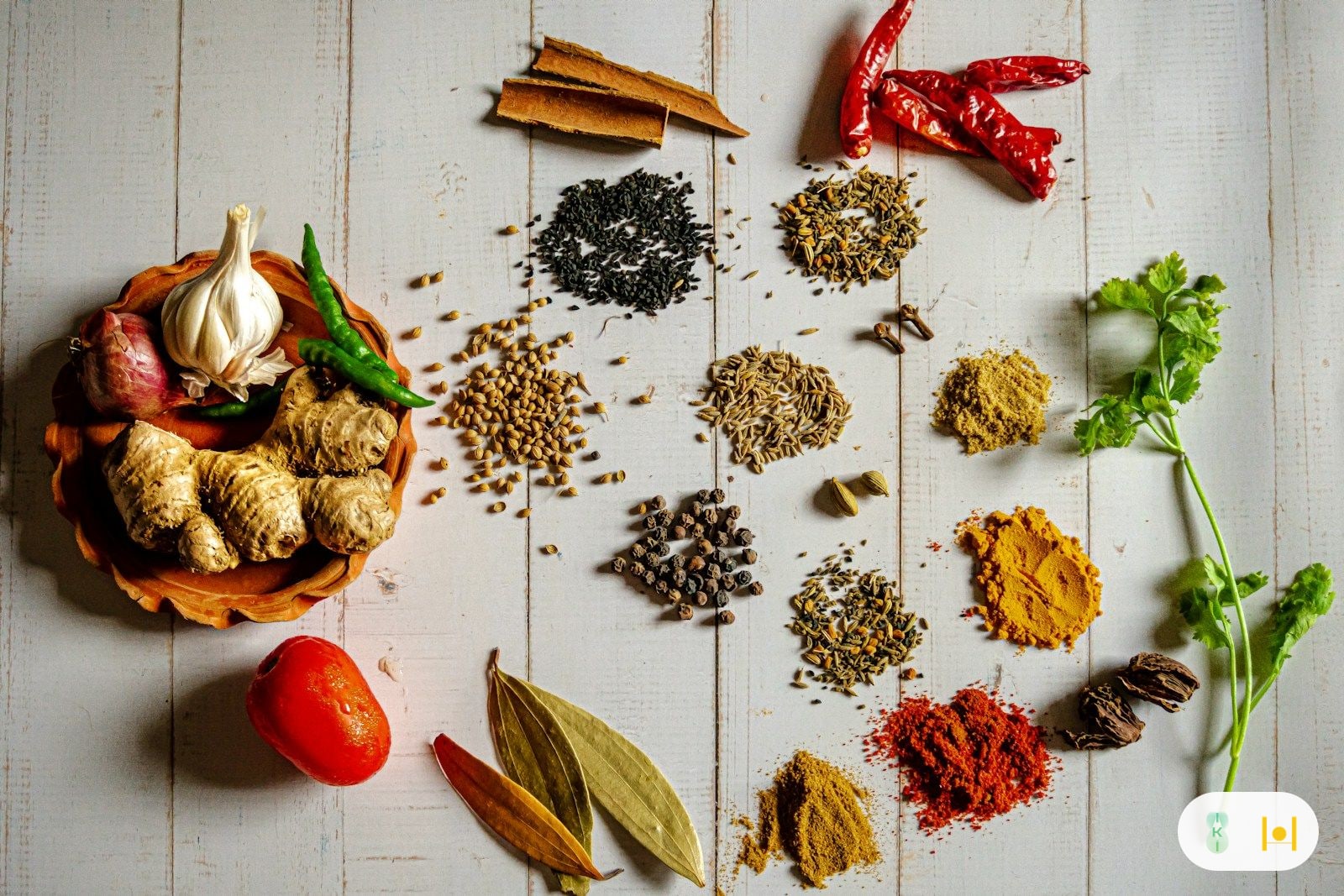
Step into any Vietnamese kitchen and you'll find ginger, turmeric, lemongrass, garlic, and shallots waiting in the spice basket. They create the distinctive flavor of Vietnamese cooking — from a pot of fish braised fragrant with turmeric, to a warm bowl of ginger soup on a cold day, to a plate of lemongrass-marinated grilled meat filling the air with its aroma. But Vietnamese spices are more than flavor: they also contribute nutrition to a meal and carry countless folk traditions passed down through generations.
This article shares those familiar spices through the lens of cooking and folk experience — how to use them so a meal is both delicious and comforting, along with practical suggestions: which spice for which dish, how to use them safely, and how to choose spices that suit the season as well as your own body. Let's be clear from the start: these are spices and foods used in cooking, not medicines; if you have a health concern, you should consult a doctor.
Spices in the Vietnamese kitchen — more than flavor
Vietnamese cooks have long used spices skillfully not only to create taste but also to balance a dish: a slice of ginger in a bowl of soup on a cold day, a touch of turmeric to give fish more depth, a stalk of lemongrass to make a hot pot fragrant. In folk experience, "warming" spices like ginger and lemongrass are often favored on cold days or when you want a meal to feel warming and comforting to the belly.
Here's something interesting that few people notice: spices in the Vietnamese kitchen are rarely used alone. They come in "sets" and complement one another. Ginger goes with scallions in a bowl of congee, lemongrass with chili in a braise, turmeric with a little fat to bring out its color, garlic with pepper in a marinade. It's precisely this combination — not any single "miracle" spice — that gives the Vietnamese table its depth of flavor. This is also why a skilled home cook rarely seasons by a rigid recipe, but by feel: taste, smell, then adjust.
This way of looking at things is close to the wisdom of Eastern eating: balancing the nature of a dish to suit the weather and the body. Spices are a subtle tool for doing just that — a small but handy "dial" that lets you warm up a cooler-leaning dish a touch, or soften one that is too rich.
Ginger
Ginger is one of the most familiar "warming" spices in the Vietnamese kitchen, with a pungent bite and a distinctive aroma. Just a small knob is enough to change a whole pot of soup or a pot of tea.
- Flavor & uses: minced or sliced fresh ginger is used in braises, soups, and steamed dishes; crushed ginger for a warm ginger tea; ginger also removes the fishy smell from fish and seafood very well. Steamed fish with ginger, ginger-braised pork, or a bowl of pumpkin soup with a few slices of ginger are all familiar ways to use it.
- Morning ginger tea: many Vietnamese families have a habit of drinking a cup of warm ginger water in the morning, especially on chilly days. It's simple to make: crush a few slices of fresh ginger, steep in hot water for 5–7 minutes, and you can add a little honey once the water has cooled a bit. This is a pleasant culinary habit shared as folk experience, not a medical method.
- Folk experience: Vietnamese people often drink a cup of warm ginger tea on cold days or when they want the belly to feel more comfortable and warm. This is a familiar culinary habit passed down through many generations.
- A little tip: old ginger (dark skin, more fibrous) is more fragrant and pungent than young ginger; leaving the skin on when cooking soup keeps the aroma better — just wash it clean. Crushed ginger gives a stronger aroma than sliced.
- Note: ginger is pungent and warming, so people who tend to run hot, feel restless, or are sensitive should use it in moderation. Late at night many people like ginger to warm the belly, but if it makes you sleep poorly because of a warm feeling, ease up.
Turmeric
Turmeric gives dishes an eye-catching warm yellow color and a distinctive mild aroma, and it's very familiar in central and southern Vietnamese cooking. Just a small spoonful gives a whole plate of braised fish or a pot of curry an inviting color.
- Flavor & uses: fresh turmeric or turmeric powder is used to marinate fish and meat, make curry, braise, and add color to dishes. Turmeric combined with a little fat (cooking oil, coconut milk) brings out its aroma and color far better than adding it to plain boiling water.
- Familiar dishes with turmeric: turmeric-braised fish, turmeric-roasted pork belly, chicken curry, or simply a little turmeric powder sprinkled into a stir-fry to give it a glossy color and gentle aroma.
- Folk experience: turmeric is often mentioned in Vietnamese cooking and traditional experience, frequently appearing in everyday dishes and in meals for new mothers and people recovering from illness, as a way to add warmth and depth to food.
- Note: turmeric stains hands, cutting boards, and clothing easily; use just enough for a harmonious color and aroma, and avoid overdoing it, which makes a dish bitter and dark. When using fresh turmeric, wearing gloves or rubbing your hands with a little lime after prepping helps prevent stains.
Lemongrass
Lemongrass carries a fresh, lightly zesty aroma and is the "soul" of many Vietnamese dishes such as hot pot, grilled meat, and noodle bowls. Its scent instantly evokes weekend gatherings and fragrant grilled food.
- Flavor & uses: minced lemongrass to marinate chicken, pork, and beef before grilling or braising; crushed lemongrass added to hot pots and soups; the base of the stalk can be simmered into a fragrant, refreshing drink with a little lime and honey.
- Familiar dishes with lemongrass: lemongrass grilled meat, chicken braised with lemongrass and chili, stir-fried snails with lemongrass, shaking beef marinated with lemongrass — lemongrass appears in so many beloved dishes of the Vietnamese kitchen.
- Folk experience: the pleasant scent of lemongrass is often used to make food more fragrant and to bring a feeling of ease and freshness. A pot of warm lemongrass water simmering is also a familiar sight in many homes, to make the kitchen smell fresh and pleasant.
- Note: use the white base for the clearest aroma; the tough older leaves are best used only for fragrance and then removed. Minced lemongrass should be used right away or frozen, as it loses its scent quickly when left in the open air.
Garlic, shallots, pepper, cinnamon
Alongside the trio of ginger, turmeric, and lemongrass, the Vietnamese kitchen has many other foundational spices, each with its own role:
- Garlic: fried until fragrant to bring out the aroma of a stir-fry, to marinate meat, and to make dipping sauces. It's an indispensable spice in almost every savory dish. Golden, fragrant fried garlic sprinkled over stir-fried water spinach or a bowl of soup is a familiar "finishing touch" for many home cooks. Note: fry garlic over medium heat — burnt garlic turns bitter and loses its aroma.
- Shallots and scallions: shallots fried until fragrant for braises, stir-fries, and dipping sauces; finely chopped scallions sprinkled over a dish for a fresh aroma and eye-catching color. Scallions are usually added last to keep their green color and fragrance.
- Pepper: warm and pungent, sprinkled over a dish to enhance flavor; usually added last, after the heat is off, to keep the aroma and a gentle warmth. Freshly ground pepper is more fragrant than pre-ground pepper that has sat for a while.
- Cinnamon: a sweet, warm aroma, used in some braises, pho broth, or warm drinks on cold days. Just a small stick is enough — too much can turn acrid.
Each spice has its own role, and combined skillfully they make a meal both delicious and harmonious. The secret isn't using a great many kinds, but using the right kind, in the right amount, at the right time.
A quick guide: which spice for which dish
To make it easy to picture, here's a quick reference for busy kitchens. The table is only a suggestion based on cooking experience — you can adapt it freely to your family's taste:
| Spice | Goes with | When to add | Little tip | |---|---|---|---| | Ginger | Soup, steamed fish, braised meat, warm tea | From the start to infuse; for tea, steep 5–7 minutes | Crush for a stronger aroma; leave the skin on for soup | | Turmeric | Braised fish, curry, roasts, stir-fries | Marinate from the start, fry with oil | Combine with fat for a beautiful color | | Lemongrass | Grilling, braising, hot pot, drinks | Marinate from the start; crush and add to the pot | Use the white base; use minced right away | | Garlic | Stir-fries, marinades, dipping sauces | Fry first, over medium heat | Don't let it burn or it turns bitter | | Scallions | Soup, congee, garnishes | Add last, after the heat is off | Keeps the green color and fresh scent | | Pepper | Savory dishes, soups, marinades | Sprinkle last | Freshly ground is more fragrant | | Cinnamon | Braises, pho broth, warm drinks | Add from the start when simmering | Use little, a small stick is enough |
How to use spices sensibly
Using spices well isn't about using a lot, but about using the right amount. A few simple principles below help make a meal delicious yet gentle:
- In moderation: spices bring out flavor, but overdoing it can overpower the main ingredient. Season gradually, tasting before you add more.
- At the right moment: some spices (like pepper and scallions) are added at the end to keep their aroma; others (ginger, turmeric, lemongrass, cinnamon) are added from the start to infuse and release their fragrance.
- Combine while fresh: fresh spices usually give a better aroma; use them while fresh or store them properly. Fresh crushed ginger, lemongrass, and garlic are always more aromatic than powdered forms that have sat around.
- By season and body: on cold days you can favor warming spices like ginger, lemongrass, and cinnamon; people who tend to run hot should ease up on pungent, warming ones and add herbs and lime to balance things out.
- Don't let spices "carry" the saltiness: many people accidentally over-salt by overusing fish sauce and seasoning powder. Let ginger, lemongrass, garlic, and pepper do the "aroma" part, and keep the salt light, increasing it gradually.
Fresh spices vs. ready-made seasonings
In a busy pace of life, seasoning powders, marinade sauces, and ready-made blends are increasingly popular for their convenience. They aren't bad, and sometimes they're very useful for meals that need to be quick. But there's one point worth noting: many ready-made products contain a fairly high amount of salt and additives, which can lead you to season more heavily than you need without realizing it, and gradually accustom your palate to strong flavors.
A balanced approach is: favor natural fresh spices as the base of aroma (ginger, lemongrass, garlic, shallots, pepper, herbs), and treat ready-made products as a backup rather than the default. When you buy ready-made products, read the ingredient label, choose ones with fewer additives, and season lightly, increasing gradually. A kitchen that uses plenty of fresh spices usually has a more "real" fragrance, and you're also more in control of what goes into your family's meal. This too is the spirit of proactive wellness: starting from small choices right in your own kitchen.
Using spices by season and by constitution
One of the subtle touches of the Vietnamese kitchen is knowing how to change spices by season and by who's eating. The same dish might lean toward warming spices in winter and be lighter in summer. This ties into the way of looking at the 5 constitutions in Eastern medicine — each person has their own bodily tendency, and spices are a gentle way to adjust to suit it.
The table below is a suggestion based on folk experience, not a rigid rule. Think of it as a starting point for observing and adjusting to how you personally feel:
| Body tendency / season | Spices to lean toward | Ease up on | Notes | |---|---|---|---| | Prone to a cold belly, cold hands and feet | Ginger, lemongrass, cinnamon, garlic, pepper (in moderation) | Cold raw foods, too many raw vegetables | Favor warm, well-cooked dishes | | Prone to running hot, easily restless | Cooling herbs, lime, a little ginger to remove fishy smells | Heavy use of pungent, warming foods, charred grills | Add vegetable soups, boiling/steaming methods | | Winter, cold weather | Ginger, cinnamon, lemongrass, shallots, pepper | — | Stews, braises, warming ginger soup | | Summer, hot and muggy | Herbs, lime, lemongrass in cooling drinks | Too much pungent, warming food | Lean toward light dishes with plenty of vegetables |
The general spirit isn't "avoiding" or "must eat," but listening to your body. If a dish makes you feel comfortable, warm in the belly, and satisfied — that's a good sign. If a spice leaves you feeling hot and restless or uncomfortable, cut back. You can learn more about pairing dishes by warm and cool in the article on the wisdom of Eastern eating.
Storing spices to keep them fresh
Fresh spices keep their aroma best when stored properly. A few simple tips:
- Fresh ginger and turmeric: keep in a cool, dry place to use within a few days; to store longer, wrap tightly in the fridge, or slice/mince and freeze in small portions to use gradually.
- Lemongrass: wrap whole stalks tightly in the fridge; or mince the base ahead of time, divide into small containers, and freeze — when cooking you just take out what you need, very convenient.
- Garlic and dried shallots: keep in a dry, airy place, away from moisture, so they don't sprout or mold.
- Pepper and cinnamon: keep in a sealed jar in a cool, dry place away from sunlight; buy peppercorns whole and grind gradually to keep the aroma.
The general principle is to avoid moisture and sunlight, and use them while fresh to keep the full aroma. Spices left too long usually lose their scent, and by then no amount will give the fragrance they had when fresh.
Things to keep in mind
Familiar and gentle as they are in cooking, it's still worth remembering:
- These are spices and foods, not medicines — use them in cooking at ordinary levels.
- People with a health concern, following a doctor's prescription, pregnant women, or young children should use them in moderation and ask a doctor when they need to use large amounts or beyond a culinary purpose.
- Listen to your body: if a spice makes you uncomfortable, adjust accordingly. Everyone's body reacts differently to pungent, warming spices.
- Variety is good: don't rely on just one or two kinds. Rotating spices through the week keeps things from getting monotonous and makes meals more varied.
In closing: spices are the soul of the Vietnamese meal
Ginger, turmeric, and lemongrass, along with garlic, shallots, pepper, and cinnamon, not only create the distinctive flavor of Vietnamese cooking, but also contribute nutrition and carry countless folk traditions passed down to us. Using spices skillfully, in moderation, at the right moment, and to suit the body is a way to make everyday meals both delicious and comforting.
Try paying a little more attention to the spice basket in your own kitchen — sometimes, proactive wellness begins right there, and in the meals you cook with your own hands. You can read more about balanced eating in the article on 8 healthy food groups, or learn about pairing warm and cool dishes in the article on the wisdom of Eastern eating: the yin-yang principle at the table, so every meal feels a little more harmonious.