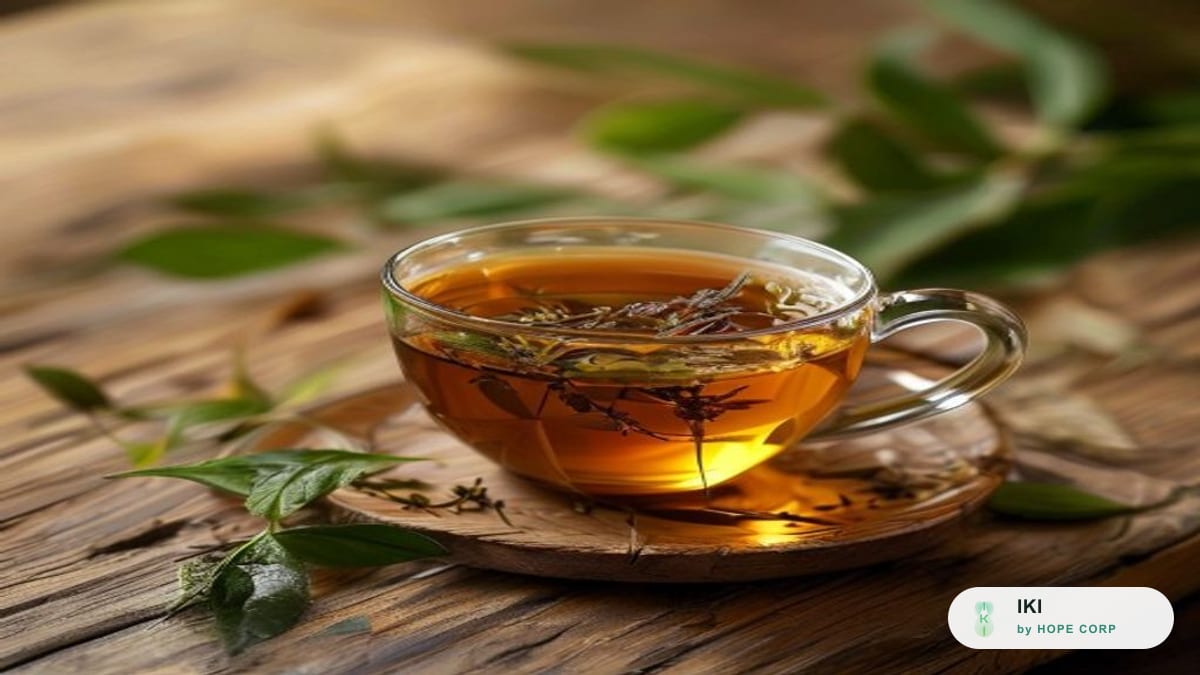
There's a moment in the day that many people treasure: sitting down with a warm cup of tea, steam rising gently, and for a few short minutes, the pace of life slows down. It might be an early morning before work begins, or a quiet evening after a long day. Warm drinks, herbal tea especially, have long been part of Vietnamese daily life — not as anything lofty, but as a simple habit that nurtures a pleasant feeling.
But when it comes to choosing a herbal tea to drink regularly, plenty of people find themselves unsure. The market offers countless options: teabags, loose dried herbs, multi-herb blends, each advertised differently. This article will help you build a clear-headed way to choose: understanding what herbal tea is, which criteria to use, comparing common tea groups, and then looking at a concrete suggestion — Tue Minh tea — for a daily warm-drinking habit. Let's be clear about the spirit up front: this is a story about a pleasant drink and a relaxing habit, not about any health solution.
Why a warm drinking habit is worth having
Our bodies respond fairly noticeably to the temperature of what we consume. For many people, a warm drink in the morning after waking brings a comforting, warm-bellied feeling, like a gentle way of waking the body. On chilly days, or after a meal, a warm cup of tea also tends to feel more comfortable than a cold drink.
Beyond temperature, the act of brewing and enjoying tea itself carries a spiritual value. In the rush of daily life, pausing for a few minutes to steep a cup of tea, breathe in its aroma, and sip it slowly is a precious quiet moment. Many people see it as a small ritual that helps the mind slow down and feel more at ease amid the busyness. It's that moment of slowing down — not the tea itself alone — that nurtures the pleasant feeling.
Herbal tea also has a practical advantage: most of it has little to no caffeine, so it suits drinking even in the evening without worrying about affecting your alertness. If you don't add much sugar, it's also a low-calorie drink, easy to fit into a daily routine. For anyone looking to cut back on bubble tea or soft drinks, a cup of mild herbal tea is a gentle, budget-friendly alternative.
Criteria for choosing a herbal tea to drink regularly
Since this is something you plan to drink often, your choice should rest on a few practical criteria rather than eye-catching packaging alone.
Clear ingredients
The first thing worth checking is what's actually in the tea. A good herbal tea usually states clearly which herbs it contains, along with origin and manufacturer. Favor a transparent product over one that just says "herbal tea" without specifying what's inside. Knowing the ingredients clearly also helps you avoid flavors you don't enjoy or don't suit you.
A flavor you enjoy
This is the deciding factor for whether you'll keep up the habit. A tea that's highly praised but you find hard to drink is difficult to stick with long-term. Choose a mild, pleasant flavor that suits your taste, not overly bitter or strong. If possible, try a small amount before committing to drinking it regularly.
Timing and purpose
Do you want a warm cup to start your morning, a sip after a meal to feel lighter, or a way to unwind in the evening? Different purposes may lead to different choices. For an evening drink, people usually favor a caffeine-free option with a gentle, soothing flavor to preserve that relaxed feeling. Being clear about when you'll drink it helps you choose correctly and enjoy it more fully.
Convenience
Finally, there's the practical factor: do you have the time and patience for an elaborate brewing process? Teabags are quick and convenient, suited to busy people. Loose dried herbs give a richer flavor but require steeping and straining. Choose the format that fits your rhythm, so drinking tea becomes a pleasure rather than a chore.
Comparing common herbal tea groups
To make this easier to picture, let's go through a few herbal tea groups familiar to Vietnamese drinkers, along with the traits of each.
Flower teas (chrysanthemum, jasmine, sophora flower). A gentle aroma and a light flavor, often loved for their soothing, easy-to-drink quality. Good for evenings or whenever you want a light cup. Worth noting: choose clean flowers, properly dried, to preserve aroma and avoid moisture or mold.
Warm spice teas (ginger, lemongrass, cinnamon). A warming, robust flavor, suited to cold days or when you want a fuller-bodied cup. Ginger and lemongrass are very Vietnamese, easy to find, and easy to brew at home. You can read more about this group in the article Vietnamese Spices: Ginger, Turmeric, Lemongrass. Worth noting: these flavors are fairly strong, so brew them mild for easier drinking.
Multi-herb blended teas. These are products combining several herbs to create a more harmonious, layered flavor. Their advantage is convenience, already balanced in ratio, suited to people without time to blend their own. What's worth checking is a clear ingredient list and the manufacturer's reputation, since you're trusting their formula.
Traditional Vietnamese herbs (ca gai leo, jiaogulan, xa den). These are familiar herbs in Vietnamese folk tradition, usually steeped as a warm drink. Many have a slightly bitter characteristic flavor that regular drinkers come to enjoy. This group often appears in blended herbal teas from Vietnamese producers.
Overall, no single group is "right" for everyone. The choice depends on your taste, when you drink it, and even your body constitution. If you want to understand more about adjusting your drinks to your own body, the article The 5 Body Constitutions in Eastern Medicine offers an interesting perspective.
Tue Minh tea — a Vietnamese herbal option for a warm routine
Among Vietnamese blended herbal teas, Tue Minh tea (Trà Tuệ Minh) is worth considering if you enjoy a warm drink made with traditional herbs. Let's hold it up against the criteria above.
In terms of ingredients, Tue Minh tea blends five familiar Vietnamese folk herbs: ca gai leo (Solanum procumbens), xa den (Ehretia asperula), jiaogulan, cot toai bo (drynaria fern), and cay xau ho (sensitive plant/mimosa). These are all herbal ingredients with a long history in Vietnamese drinking habits. Knowing clearly which herbs are in the tea satisfies the transparent-ingredients criterion we discussed above.
In terms of flavor and use, this is a warm herbal drink with a mild aroma, favored by many in the community for a relaxed, warm daily-drinking habit, usually one to two cups a day. You can steep it and drink while still warm, sipping slowly as a small quiet moment in your day. For anyone who enjoys a warm cup of tea after a meal or in the evening, this fits well with that kind of lifestyle.
To be clear and avoid any misunderstanding: Tue Minh tea is a herbal drink, suited to being part of a healthy routine and a relaxed, warm-drinking habit. It is not a product used to prevent or change any medical condition, and it does not replace plain water or meals. If you're interested in the specific blend and brewing method, you can learn more on the Tue Minh tea page and decide for yourself whether the flavor and habit suit you.
Bringing a warm drinking habit into your day
A cup of herbal tea only really has meaning once it becomes a pleasant habit, not something forced. A few suggestions for a gentle start:
- Choose a fixed time. This might be a cup after dinner, or while settling in at your desk in the afternoon. Attaching a new habit to a familiar moment makes it easier to keep up.
- Brew it mild, with little sugar. To fully appreciate the herbs' natural flavor, brew it moderately and limit added sugar. A light, mild flavor is usually easier to enjoy long-term than one that's overly sweet.
- Drink it warm, unhurried. Much of tea's pleasant value comes from its warmth and that moment of slowing down. Don't rush — let a few minutes of tea enjoyment be a genuine pause.
- Rotate between types. Changing flavors with the season and your mood keeps the habit from feeling stale. Choose a warming flavor on cold days, a lighter, cooling one on hot days.
- Listen to your body. Everyone responds differently. If a tea doesn't feel right for you, switch to another; and if you have an underlying condition, check with a doctor before drinking it regularly.
Common questions when buying herbal tea
Before settling on a tea to drink regularly, many people have a few very practical questions.
Should I buy teabags or loose dried herbs? It depends on your lifestyle. Teabags are convenient, quick, and clean, suited to busy people and beginners. Loose dried herbs give a richer flavor and a more traditional brewing feel, but need time and a strainer. Many people start with teabags and later move to loose herbs once it's become a habit.
Are pre-blended multi-herb teas good? Their advantage is an already-balanced ratio, convenient, with a harmonious flavor. What's worth checking is the transparency of the ingredients and the manufacturer's reputation, since you're trusting their formula. A product that clearly lists the herbs inside is always more trustworthy than a vague one.
How much should I drink a day? For healthy people, one to two mild cups a day is a level many find comfortable. What matters is moderation, not brewing it too strong, and not treating tea as a substitute for plain water. If you have specific health questions, ask a doctor.
Should I buy a small trial amount or a large one right away? For a tea you're trying for the first time, buy a modest amount to test the flavor and see if you like it, avoiding waste. Once you're sure you enjoy it, you can buy more for convenience.
Conclusion
Choosing a herbal tea to drink regularly, in the end, is about choosing a pleasant habit that suits you: clear ingredients, a flavor you like, the right time to drink it, and a brewing method that fits your effort level. With these criteria in hand, you'll choose something you can stick with long-term rather than buying on a trend and giving up.
If you enjoy a warm herbal drink with traditional Vietnamese herbs, Tue Minh tea is worth trying for a relaxed, warm-drinking habit. But whichever you choose, remember that what matters most is the moment itself — pausing, brewing a cup of tea, and giving yourself a few minutes to slow down. It's a simple way to care for yourself amid a busy life. To learn more about warm drinking habits in general, read the article A Daily Warm Drink and Herbal Tea.