
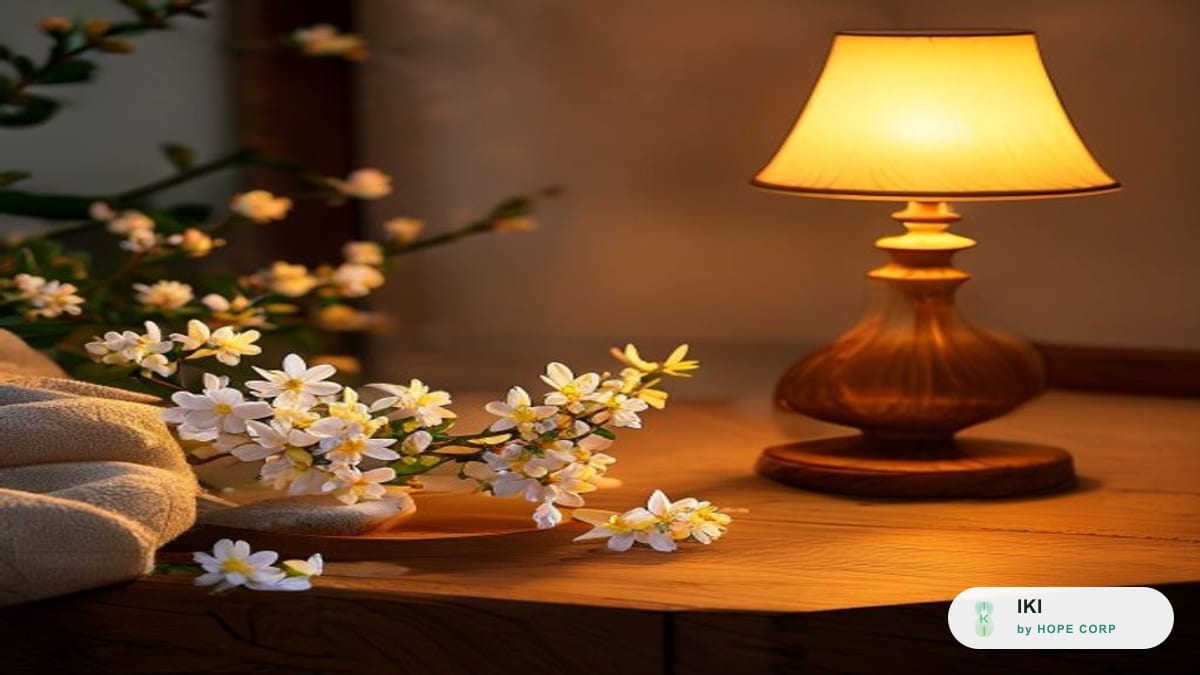
Evening is the time of day many of us long to slow down. After a day full of tasks, messages, and noise, both body and mind need a cue to shift from "go" mode into rest mode. For plenty of people, that cue is a warm, gently fragrant cup of tea: brew it, sit down, breathe in the aroma, and sip slowly. In those few short minutes, the busy world steps back, making room for a quiet pause.
But for a herbal drink to genuinely become an evening ritual you look forward to, choosing the right one matters. Not every tea suits the evening, and everyone has their own taste in flavor. This article looks at why a warm cup of tea feels so relaxing, what criteria to use when choosing an evening herbal drink, compares a few options, and then turns to a specific suggestion: Thanh Huong tea (Thanh Hương Trà — Pure Aroma Bliss Tea) with its hoa quế aroma. One thing worth saying upfront: this is a story about a pleasant mental relaxation habit, not about any sleep or health solution.
Why a warm cup of tea feels relaxing
The pleasant feeling of enjoying a cup of tea in the evening doesn't come from just one thing — it's the combination of several factors.
First, there's the warmth. A warm drink feels comforting, especially on a chilly evening or when your body is tired after a long day. Holding a warm cup in your hands and feeling the heat spread is, in itself, a small relaxing experience many people love.
Second, there's the aroma. Smell is closely tied to human emotion and memory. A pleasant scent can instantly make you feel more at ease, the way the smell of your mother's cooking or the first rain of the season stirs up familiar feelings. The gentle fragrance of herbs, especially flowers, often brings a soft, peaceful sensation.
Third, and perhaps most important, is the moment of slowing down. When you stop everything to brew a cup of tea, sit down, and sip slowly, you're giving yourself a deliberate pause. It's this ritual, the intentional slowing down amid a hectic pace of life, that truly nurtures the feeling of relaxation. The cup of tea becomes a charming excuse to let yourself rest.
A lightly brewed herbal tea is a sensible choice for the evening, when you want a drink that won't interfere with your rest. Keep in mind that this is a pleasant mental-wellbeing habit, not a substitute for comprehensive sleep care. If you're interested in a gentle overall evening routine, the article Quality Sleep: A Gentle Evening Routine offers more suggestions.
Criteria for choosing an evening herbal drink
Not every herbal tea suits drinking before bed. A few criteria below can help you choose well.
Light and lightly brewed
This is the top criterion for an evening drink. A strong, astringent cup late in the day can make it harder for some people to rest. A herbal tea steeped from flowers, leaves, roots, or fruit, brewed light and sipped slowly, suits the moments before sleep better.
A gentle flavor
Evenings call for gentleness, so favor teas with a soft aroma and a light taste rather than anything too strong or bitter. Flower teas with a natural fragrance are often favored for this purpose. A gentle flavor makes the evening ritual something to look forward to.
Clear ingredients
As with any drink you consume regularly, you should know exactly what's in it. Favor products that clearly list their herbal ingredients, origin, and manufacturer. This transparency gives you peace of mind and helps you avoid flavors that don't suit you.
Brew it light, go easy on sugar
To preserve the natural flavor and avoid extra calories right before bed, brew it light and limit added sugar. A milder taste is also more pleasant for an evening cup. And don't drink too much liquid right before bed, so you won't need to wake up in the middle of the night.
Comparing a few evening herbal drink options
There are many herbal teas suited to the evening, each with its own character.
Chrysanthemum tea. Perhaps the most familiar evening choice, with a light aroma and a mild, gentle taste. Many people pick chrysanthemum as a soothing cup to close out the day. The one thing to watch for is choosing clean, properly dried flowers.
Hoa quế tea. Hoa quế carries a very distinctive, gentle, and delicate natural fragrance that people have traditionally favored for steeping on its own or blending into other teas to enhance aroma. For anyone who loves fragrance, this is an enticing choice for a relaxing moment.
Mint tea. A cool, refreshing sensation that feels pleasant after a meal. Some people enjoy this cooling quality in the evening, while others find it better suited to daytime. This is where personal taste decides.
Blended aromatic herbal teas. Products that combine several herbs, usually built around one floral note, to create a harmonious and convenient experience. The advantage is that the balance is already worked out for you; what to look for is transparent ingredients and a reputable maker.
No single tea is "right" for everyone, since taste and constitution differ from person to person. If you'd like to understand more about adjusting your drinks to your own body, see the article 5 Constitutions in Eastern Medicine.
Another interesting way to choose is to pay attention to the season and your own mood. On a cold winter night, a tea with a warmer, richer aroma often feels cozier and more comforting. On a sultry summer evening, you might prefer something lighter and more soothing. Even within the same week, some days you crave a bolder scent to feel wrapped up, other days you want something pure and light. Listening to what you need tonight, then choosing your tea's aroma accordingly, makes the evening ritual more refined and personal. It's also a small way to practice noticing yourself, which is useful for proactive wellness in general.
Thanh Huong tea — a warm, gently fragrant evening ritual
If you love fragrance and want a soothing cup to slow down with in the evening, Thanh Huong tea is worth considering. Let's look at it against the criteria above.
What sets Thanh Huong tea apart is its hoa quế, a bloom with a gentle, delicate natural fragrance long favored for steeping tea. It's precisely this soft aroma that creates the difference and the pleasant, relaxing feeling when you drink it. For anyone who values a gentle evening flavor, this is a clear advantage.
As for how to enjoy it, this is a warm herbal drink aimed at a gently fragrant evening sipping ritual, suited to the moment of unwinding at day's end. You can brew a light cup, sit down, and sip slowly as a small ritual to close out a long day. Its formula is made without tea leaves. Brewed light, with a gentle floral aroma, it suits the slower pace of the evening better than a strong cup.
To be clear and avoid any misunderstanding: Thanh Huong tea is a herbal drink, suited as part of a mental relaxation ritual and a healthy lifestyle. It is not intended to prevent or change any medical condition, and it does not replace comprehensive sleep care. If you're curious about the flavor and brewing method, you can learn more at the Thanh Huong tea page and decide for yourself whether it suits you.
Building your own evening tea ritual
A cup of tea only delivers its full sense of ease when it's part of a deliberate relaxation ritual. Here are a few suggestions for creating an evening moment worth looking forward to:
- Pick a fixed time. About an hour before bed, for instance. Consistency helps your body get used to the cue that rest is coming.
- Create a quiet space. Dim the harsh lights, set your phone aside for a moment, and let your mind slow down along with the tea.
- Brew it light and sip slowly. Don't rush to finish it. Let those few minutes of tea-sipping become a genuine pause, feeling the warmth and the aroma.
- Pair it with something gentle. You might read a few pages of a book while sipping, jot a line or two in a journal, or simply sit quietly. The key is to avoid anything stressful.
- Listen to your body. Everyone responds differently. If a tea doesn't sit well with you, try another kind; and if you have an underlying condition, are pregnant, or breastfeeding, check with your doctor before drinking it regularly.
Frequently asked questions about evening tea
Before settling on a tea for their evening ritual, many people wonder about a few things.
Which floral tea suits the evening best? This depends more on your own taste than any universal answer. Chrysanthemum and hoa quế are both widely loved for their gentle aroma. The best approach is to try one or two in small amounts and pick whichever you find most delicious and pleasant.
Does drinking tea in the evening cause insomnia? It varies from person to person, so try a small, lightly brewed cup and see how your body responds. What matters more is not drinking too much liquid right before bed, to avoid waking up in the night. If you're sensitive, drink it a little earlier.
Should I add honey or sugar to make it easier to drink? You can add a little if you like, but it's best to keep it minimal to preserve the light flavor and avoid extra calories close to bedtime. Many people, after a while, come to prefer the taste of tea on its own, unsweetened.
Should I buy a small amount to try, or a large batch? For a tea you're trying for the first time, buy a modest amount to test the flavor. Aroma is highly personal, so only buy a larger amount once you're sure it truly suits you and you want to stick with it long-term.
Conclusion
A warm, gently fragrant herbal drink in the evening can become a small but precious relaxation ritual, helping you close out a long day gently. The secret lies in choosing what suits you: a light brew, a mild flavor, clear ingredients, and, most importantly, a moment when you truly allow yourself to slow down.
If you love fragrance and want to try a soothing cup for the evening, Thanh Huong tea with its hoa quế aroma is worth considering. But whichever you choose, remember that the greatest value isn't in the cup of tea itself, but in the pause you give yourself each evening. It's a simple, kind way to care for your own wellbeing.